
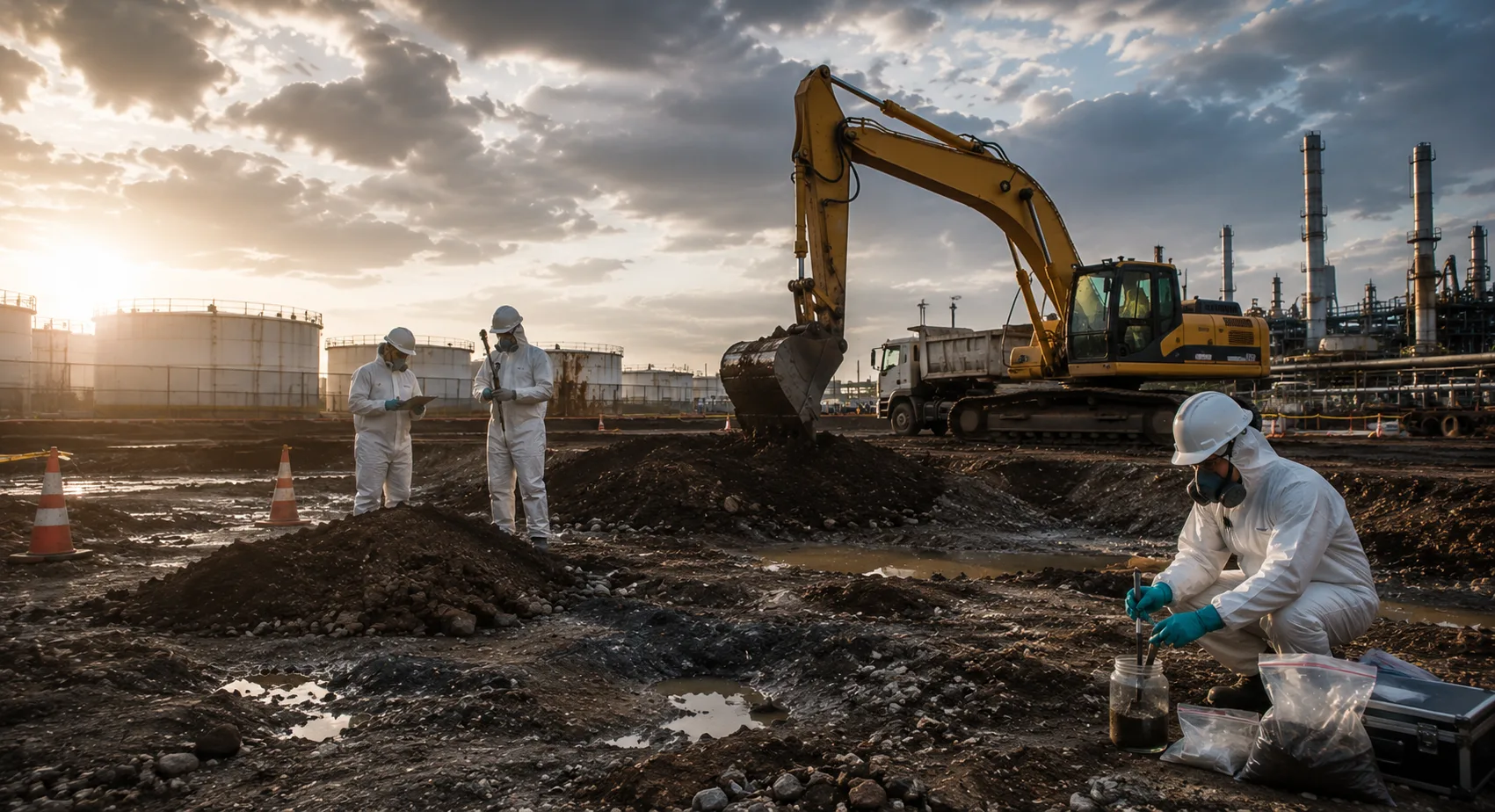
We review site history, land use records, prior investigations, regulatory correspondence, and suspected contamination sources to define the conceptual site model.
Soil Remediation Services & Contaminated Land Recovery
Soil remediation services covering contaminated land investigation, technology selection, implementation, and verification for brownfield, industrial, and mining projects.
Contaminated soil affects development potential, environmental liability, groundwater quality, regulatory compliance, and long-term land value.
Contaminated Land Remediation: Understanding Hidden Environmental Liabilities
Soil contamination is a liability that does not announce itself. It accumulates over decades of industrial activity, fuel storage, waste disposal, and historical land use. It sits beneath sites that have changed hands multiple times, beneath developments where the previous use was never fully investigated, and beneath operational facilities where a release was never formally recorded.
When contaminated land surfaces as a problem, it is rarely at a convenient time. It surfaces during pre-transaction investigation, during excavation when an unexpected odour stops a contractor, during a regulatory inspection, or during lender environmental due diligence.
The organizations that manage contaminated land risk well share one characteristic: they understand what is in their ground before a transaction, a planning application, a development commitment, or a regulatory requirement forces the question.
The Groundwater Company provides soil remediation services across the full contaminated land lifecycle, from initial site investigation through risk assessment, technology selection, remediation implementation, and regulatory verification and closure.
Why Soil Remediation Programs Fall Short
Soil remediation failures follow consistent patterns. Most are decisions made before the contamination was properly characterized.
Investigation and Risk Assessment Were Incomplete
Insufficient Phase 1 and Phase 2 investigation, generic receptor identification, and remediation objectives defined without a site-specific risk basis leave contamination behind or push programs toward unnecessary cost.
Technology Was Selected Too Early
Excavation, disposal, or in-situ treatment chosen before contaminant type, vertical extent, soil permeability, and source zone distribution are confirmed routinely underperform against budget and objective.
The Soil-Groundwater Connection Was Ignored
Programs that treat the unsaturated zone without addressing leaching to groundwater leave an active residual source that continues to affect the aquifer and can reverse apparent closure.
Verification, Boundaries, and End Use Were Not Defined Upfront
Validation criteria, off-site migration risk, and intended land use all need to shape the remediation objective before works begin. Retrofitting them later creates additional works, regulatory challenge, and future liability.
Soil and Groundwater Contamination: Understanding the Connection
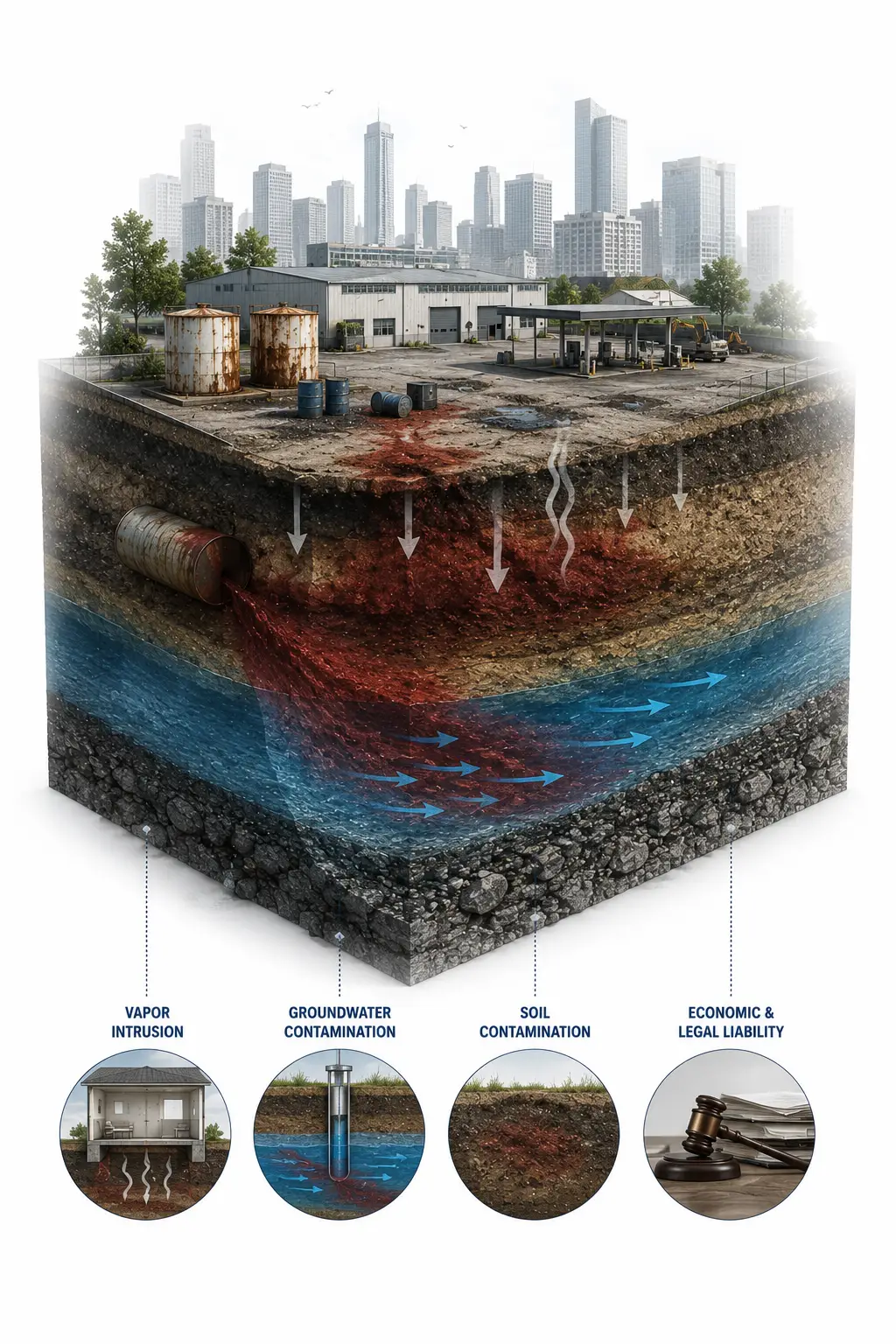
Soil contamination and groundwater contamination are parts of the same system. In most contaminated land cases, the soil is the source and the groundwater below is the receptor. Understanding that relationship is what separates a remediation program that achieves lasting results from one that treats the visible layer while leaving the underlying problem in place.
Why the Interface Matters
- Contaminants leach downward through infiltrating rainfall until they reach the water table, with migration controlled by chemistry, soil type, depth to groundwater, and recharge
- Source zone treatment must identify where contaminant mass is held in the soil profile, not just where accessible shallow samples are highest
- Excavation depth, in-situ treatment extent, and residual contamination all directly affect continued loading to groundwater below
- Integrated soil and groundwater remediation is required where both the source in soil and the dissolved phase in groundwater are present
- Unaddressed soil contamination also creates transaction, lender, and ESG risk where contamination status affects capital decisions and disclosure
Our Soil Remediation Process: From Site Assessment to Closure
Every contaminated land program follows a structured progression from conceptual model through risk assessment, options appraisal, implementation, and closure.
Our soil contamination assessment includes targeted site investigation, soil and groundwater sampling, gas monitoring, and laboratory analysis to characterize pollutant types, concentrations, and their vertical and lateral distribution.
We apply a tiered risk assessment approach from generic screening to site-specific quantitative assessment as required for human health, groundwater, and ecological receptors.
We evaluate candidate technologies against site-specific soil conditions, contaminant chemistry, objectives, access constraints, programme, and cost.
We develop a site-specific remediation strategy and detailed design including treatment specifications, validation criteria, and monitoring requirements agreed before works begin.
We prepare remediation strategy documents, method statements, and technical evidence for planning authorities, regulators, and statutory consultees.
We provide technical oversight during works, managing contractor performance, unexpected ground conditions, field sampling, and real-time technical decisions.
We conduct post-remediation sampling against pre-agreed validation criteria to demonstrate objective achievement to the standard required for acceptance.
We prepare the validation report and closure documentation that provides the evidence base for regulatory sign-off, planning condition discharge, and long-term liability management.
Soil Remediation Services
Contaminated Land Assessment and Remediation Strategy
Contaminated land Phase 1 and Phase 2 investigation, quantitative risk assessment, remediation options appraisal, and remediation strategy development aligned to the required end use.
Site Remediation Services: Implementation and Verification
Brownfield, industrial, mining, and transaction-focused remediation delivery including implementation oversight, validation and verification, and regulatory closure support.
Soil Remediation Technologies We
Deploy
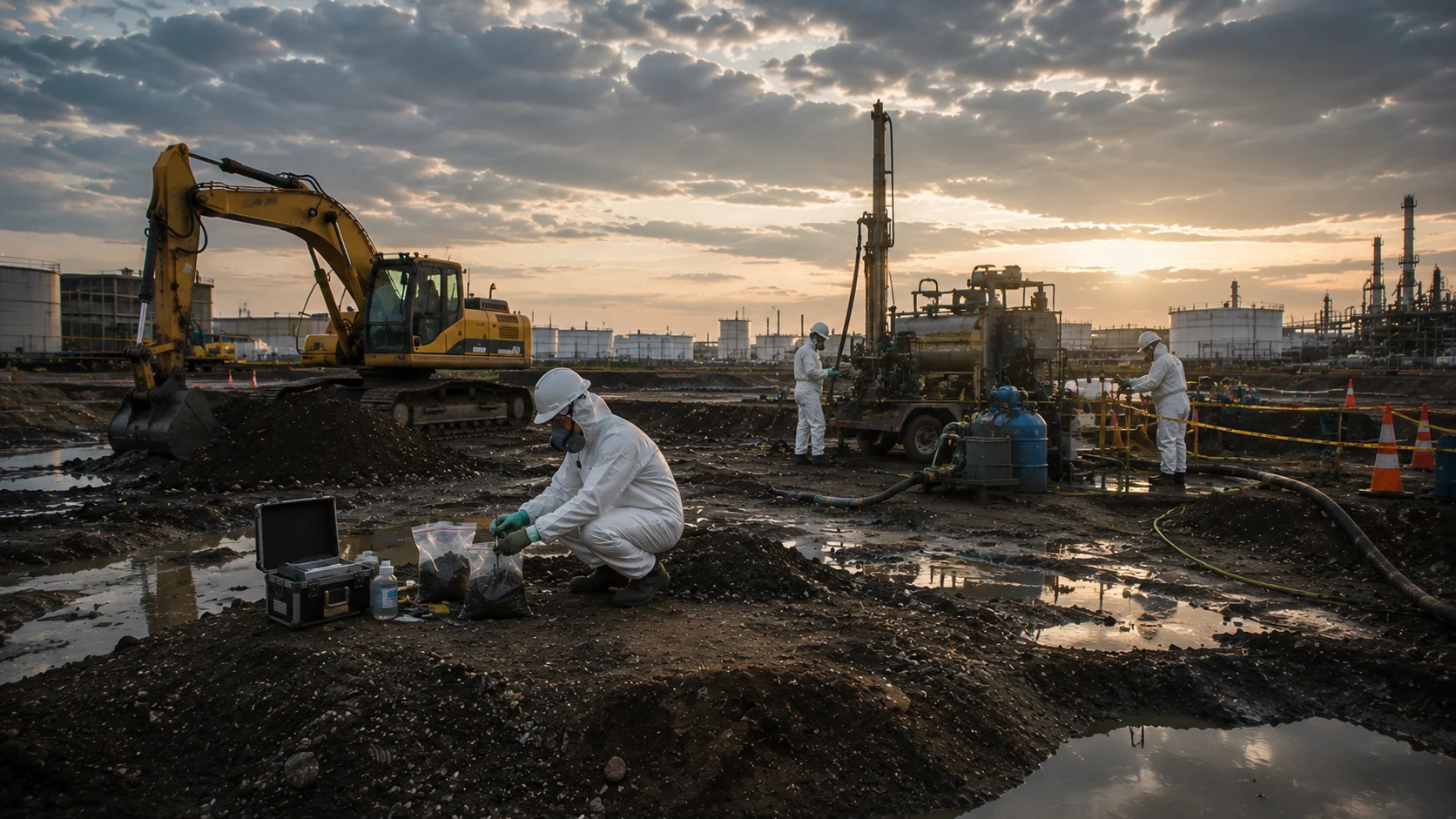
Technology selection is determined by contaminant type, soil conditions, treatment objectives, site constraints, and programme requirements. A recent systematic review of contaminated-site remediation technologies examines factors influencing the selection of remediation approaches for contaminated sites.
Excavation and Disposal
Physical removal of contaminated soil to a licensed facility where contamination is accessible, well-defined, and off-site management is the most practicable option.
Soil Washing and Bioremediation
Ex-situ separation and biological treatment options for metals, hydrocarbons, chlorinated solvents, and PAHs where the soil and contaminant profile support them.
Stabilisation, Solidification, and ISCO
Binding agents and in-situ chemical oxidation for controlling mobility, leachability, and source-zone contaminant mass where direct treatment is required.
Soil Vapour Extraction and Thermal Treatment
Vadose-zone vapour recovery and heat-based treatment for volatile or recalcitrant compounds where physical removal alone is insufficient.
Phytoremediation and Natural Attenuation
Long-term remediation pathways for low-level contamination where monitored biological and natural processes can demonstrate receptor protection.
Capping and Engineered Containment
Exposure and leaching control where receptor management rather than full source removal is the appropriate risk-management objective.
Contaminated Soil Remediation: Types of Contaminants We Address
The Groundwater Company assesses and remediates contaminant classes across petroleum hydrocarbons and BTEX, PAHs, chlorinated solvents, heavy metals, asbestos-containing materials, PFAS and other emerging contaminants, agricultural contamination, construction and infrastructure legacy impacts, and mixed multi-use industrial contamination scenarios.
Representative Contaminant Groups
- Petroleum hydrocarbons, gasoline, diesel, lubricants, fuel oils, and BTEX from storage and handling
- PAHs and coal tar from former gasworks, coke works, railway land, and heavy industry
- Chlorinated solvents including PCE, TCE, DCE, and vinyl chloride from degreasing and process chemistry
- Heavy metals including lead, arsenic, chromium, cadmium, mercury, copper, zinc, and nickel
- Asbestos in soil, PFAS and other emerging contaminants, and mixed legacy contamination from successive land uses
Analytical Intelligence in
Contaminated Land Assessment
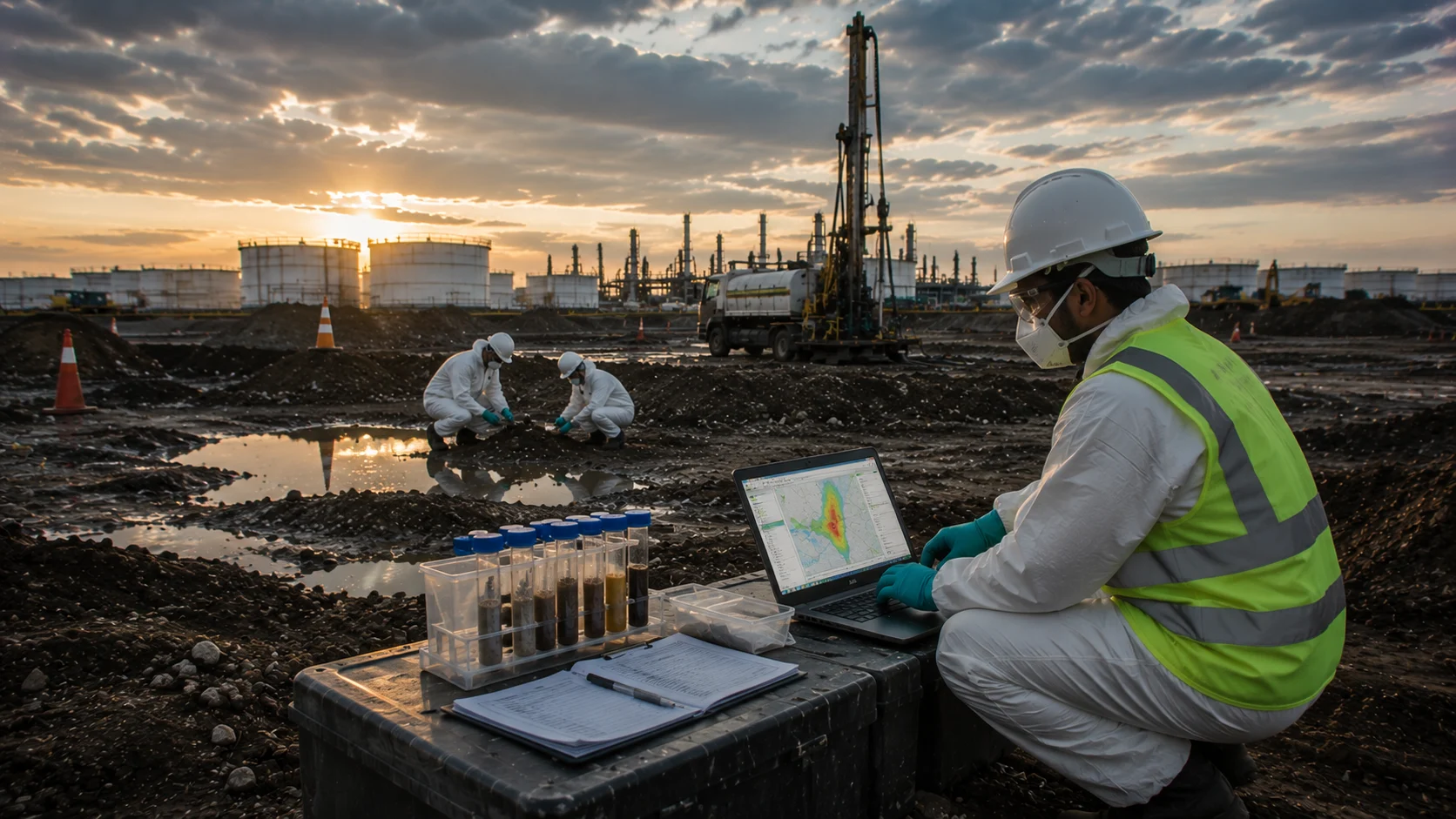
Contaminated land investigations produce large datasets across multiple locations, depths, and analytical suites. Identifying the patterns that define contamination extent, source zones, and receptor risk requires more than tabulated laboratory results.
Geospatial Contamination Mapping
Integration of sampling data, geology, and hydrogeological conditions to produce spatial pictures of contamination extent and concentration distribution.
Source Zone Identification
Concentration gradient analysis and soil-profile interpretation to locate the primary contamination masses that surface sampling alone may not reveal.
Risk Pathway Analysis
Identification of the exposure routes that actually drive risk outcomes so investigation and remediation effort stays focused on what matters most.
Remediation Performance Tracking
Comparison of post-treatment validation data against baseline conditions across the site to verify whether remediation is performing as intended.
Investigation Gap Analysis
Structured review of where additional sampling is needed to characterize contamination extent with sufficient confidence for remediation design.
Specialist Review and Uncertainty
Every analytical output is reviewed by an experienced environmental engineer or contaminated land specialist and presented with assumptions and appropriate uncertainty ranges.
Brownfield and Industrial Land Remediation
Brownfield sites represent development potential precisely because their contamination status is unresolved. Resolving that status converts a liability into a developable asset. The remediation objective, selected technology, and validation criteria are all defined by the intended end use so the site is restored to the standard that redevelopment actually requires.
Brownfield Recovery Applications
- Industrial redevelopment to the standard required for new industrial or commercial use
- Commercial redevelopment supporting planning approval and development viability
- Residential development requiring more stringent human-health receptor standards
- Infrastructure projects on previously developed land with contamination risk
- Public sector land recovery and strategic land investments where unresolved contamination affects value and delivery
Industries We Support with Soil Remediation Services
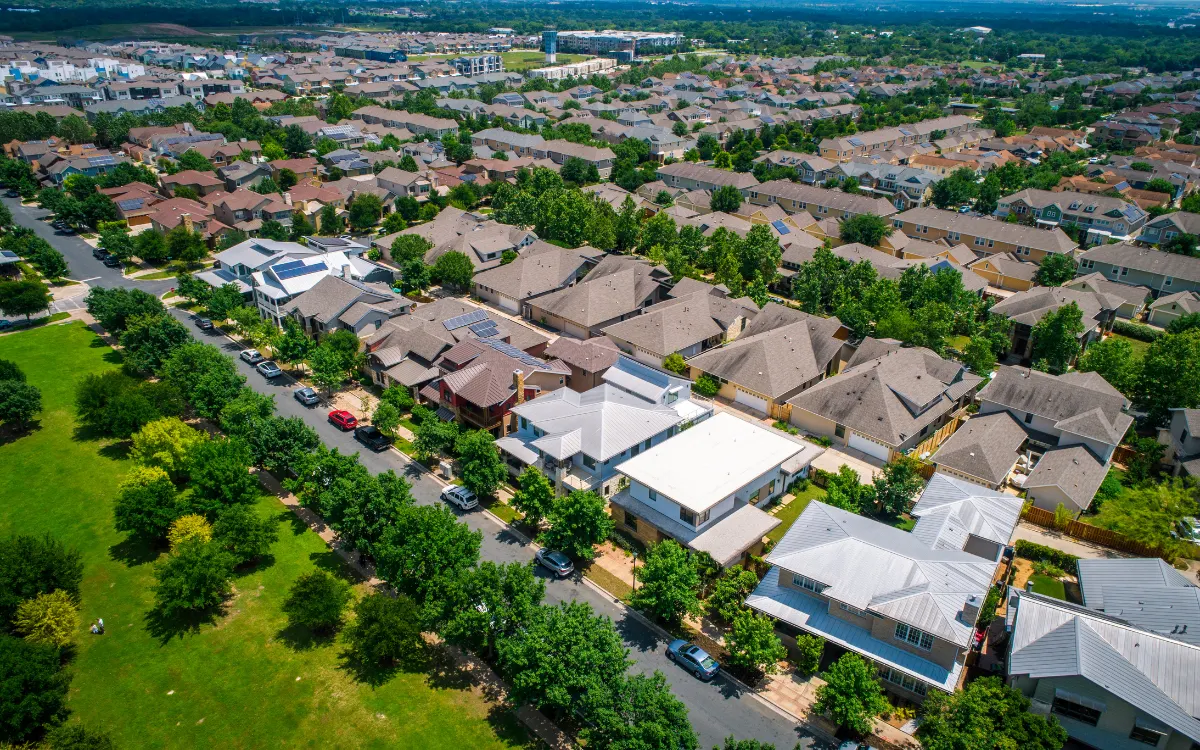
Real Estate and Brownfield Development
Full-service contaminated land investigation and remediation supporting redevelopment, planning approval, and development viability.
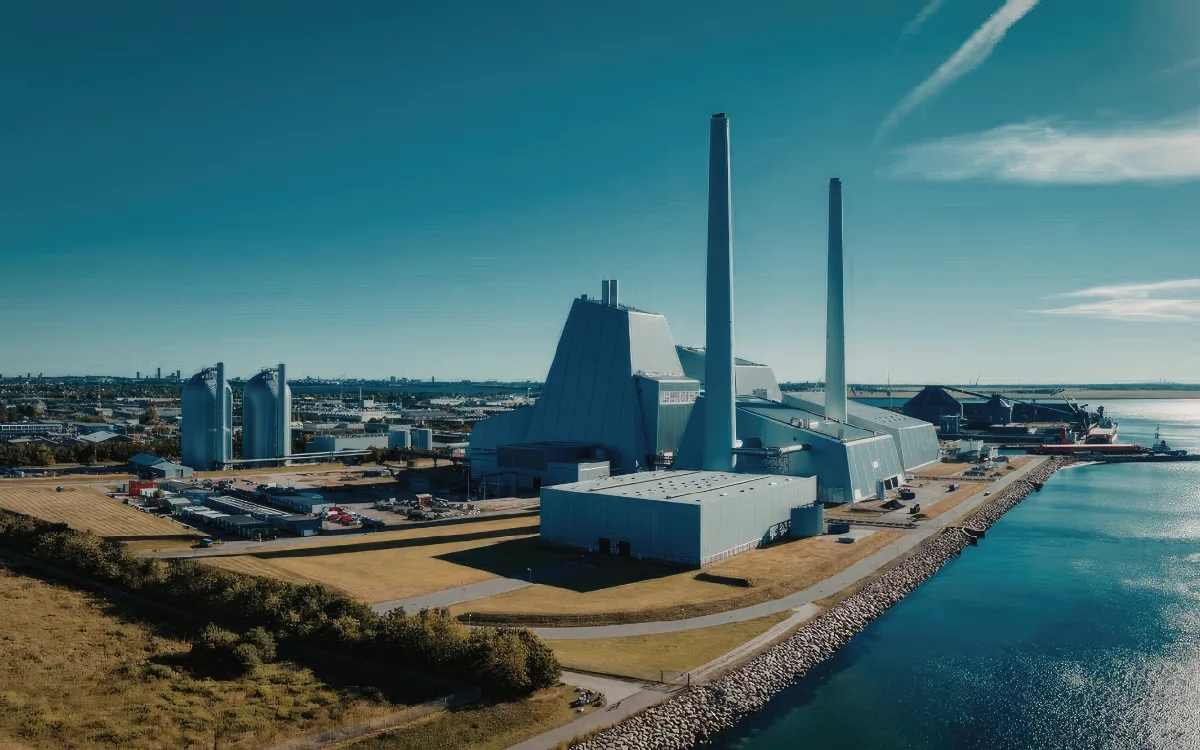
Industrial Soil Remediation for Manufacturing Facilities
Industrial soil remediation for active manufacturing facilities, legacy contamination management, and environmental compliance, with consideration for operational constraints and site-specific risks.
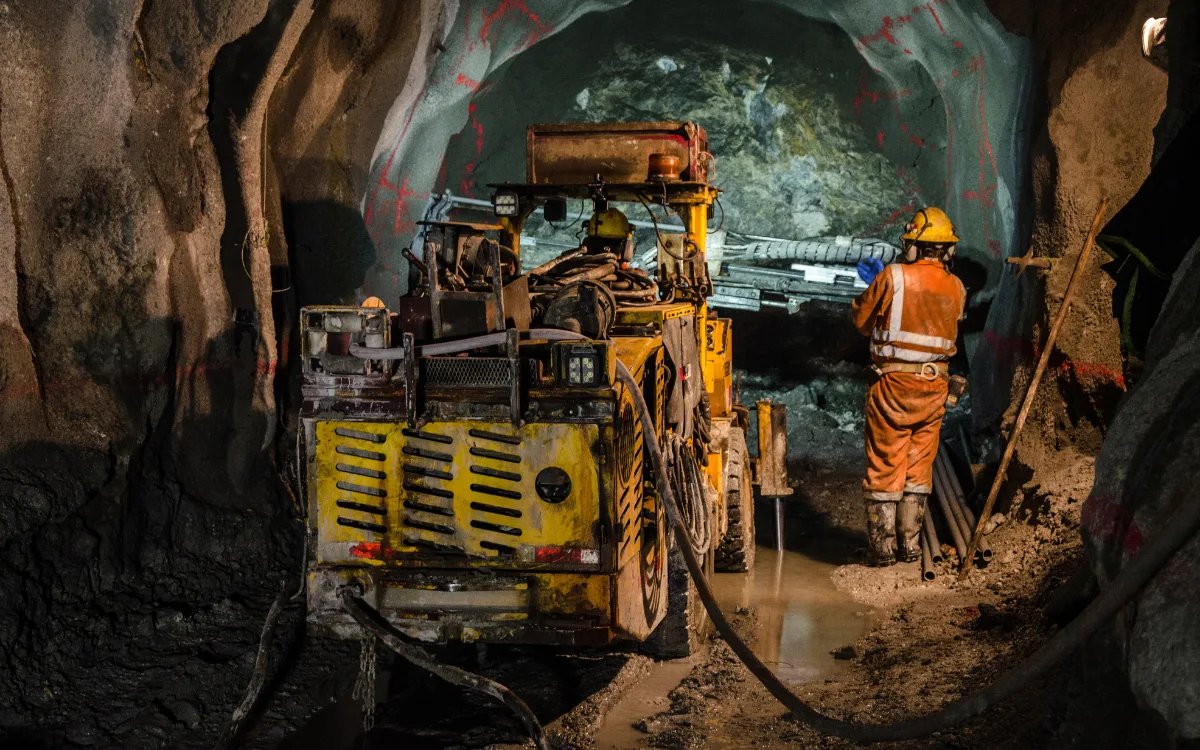
Mining and Resources
Contaminated land investigation and remediation for mining sites, heavy metal contamination, tailings-affected land, and closure programs.

Oil, Gas, Energy and Utilities
Soil remediation for petroleum hydrocarbon contamination, former power generation sites, storage facilities, utility corridors, and energy infrastructure.

Infrastructure and Transport
Contaminated land investigation and remediation for corridors, depots, rail land, and infrastructure assets on formerly industrial ground.

Government and Municipal Authorities
Contaminated land programs for public land, municipally owned former industrial sites, and compliance-driven remediation programs.
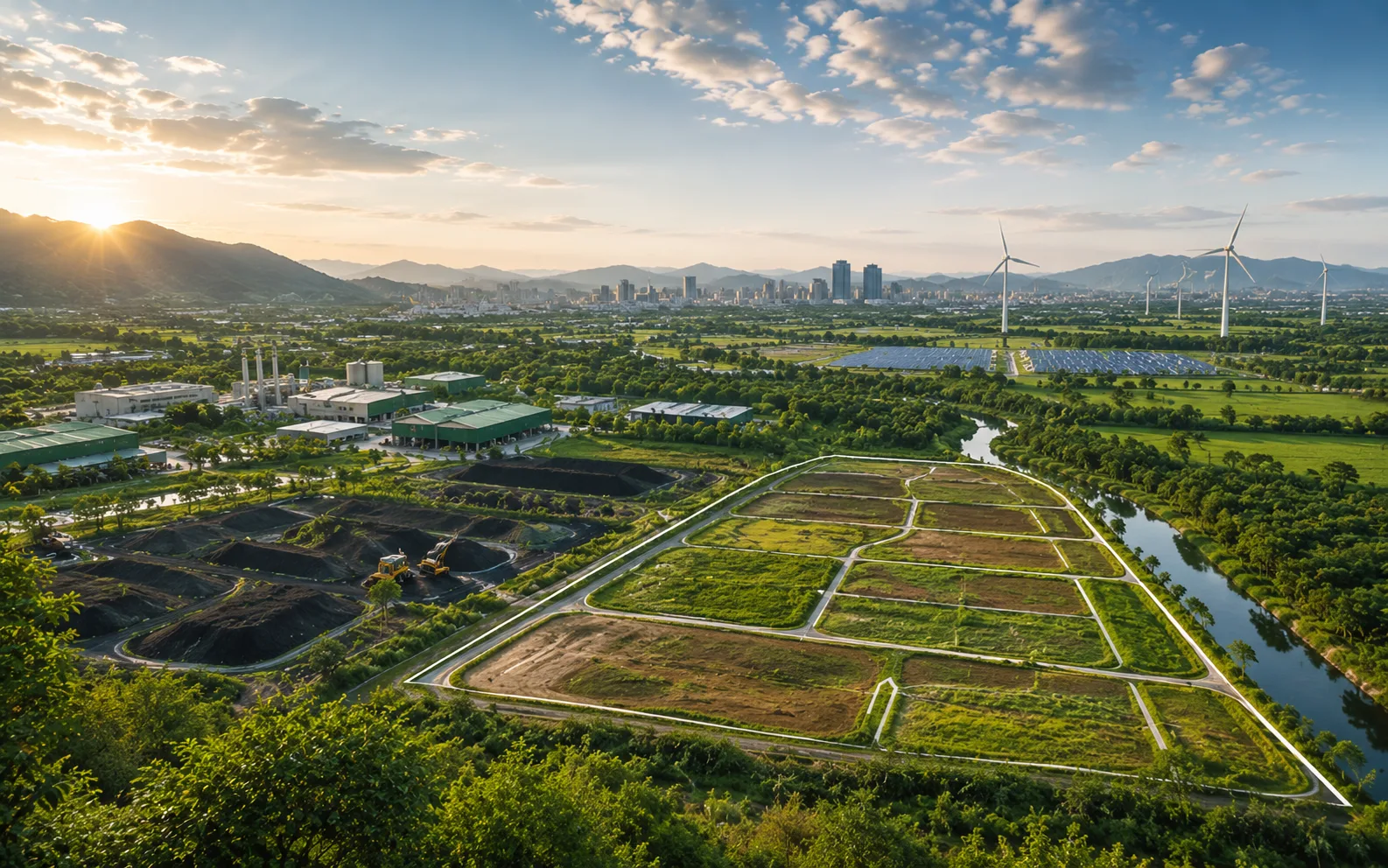
Investment, Waste, and Strategic Land Programs
Assessment and remediation planning for asset transactions, waste management sites, landfill facilities, and development finance programs.
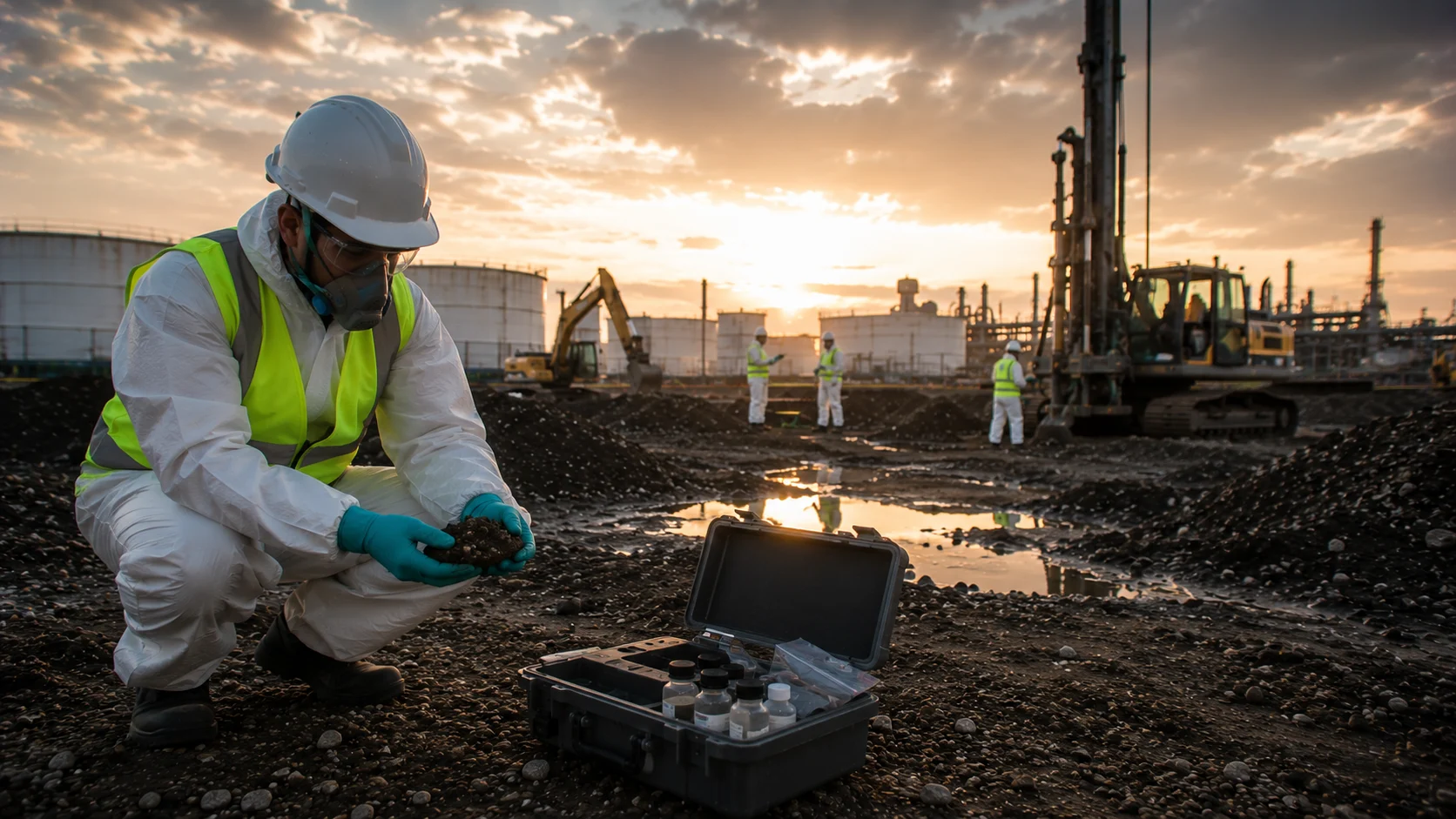
Why Organizations Choose The Groundwater Company for Soil Remediation
Investigation Before Remediation
We do not design a remediation program before contamination is characterized. Strategy follows site-specific investigation and risk assessment, not a standard treatment specification.
The Soil-Groundwater Advantage
As an integrated hydrogeological and environmental engineering practice, we connect soil remediation decisions to their groundwater consequences.
Technology Selection Based on Site Evidence
We evaluate technologies against confirmed soil conditions, contaminant chemistry, and site constraints because technology chosen before the site is understood rarely performs as expected.
Validation Criteria Agreed Before Works Begin
We agree post-remediation validation criteria with the regulator before implementation starts so the program has a defined, achievable closure point.
Full-Service Land Remediation Capability
We deliver investigation, risk assessment, strategy development, approval, implementation oversight, validation, and closure documentation under one engagement.
Redevelopment Focus
We approach soil remediation with the end use in view so the site is restored to the standard required for development, transaction, or operation without residual liability.
Long-Term Stewardship and Accountability
We structure programs for continuity, adaptive management, monitoring, and long-term land stewardship rather than treating remediation as a one-step handoff.
Regulatory Familiarity
Our contaminated land documentation is written to the methodological standard planning authorities and environmental regulators expect from the first draft.
Technical Disciplines Behind Our Soil Remediation Programs
Soil remediation services at The Groundwater Company are delivered through environmental engineering, contaminated land assessment, hydrogeology, geochemistry, geology and site investigation, GIS and geospatial analysis, water quality assessment, groundwater modelling, regulatory documentation, environmental risk assessment, and analytical chemistry interpretation.
Soil Remediation Consulting and Project Applications
- Brownfield site investigation and remediation before residential or commercial redevelopment
- Phase 2 investigation and risk assessment for pre-acquisition due diligence
- Former petrol filling station and fuel storage site remediation
- Former gasworks, chemical works, and heavy industrial site remediation
- Mining site heavy metal contamination investigation and remediation
- Industrial facility remediation during operational or closure phases
- Chlorinated solvent source-zone investigation and in-situ treatment
- Integrated soil and groundwater remediation for sites with both unsaturated and saturated zone contamination
- Validation and verification for remediation programs requiring regulatory sign-off
The Groundwater Company Groundwater
Intelligence Solutions
Each solution produces auditable data and decision-ready outputs.

Groundwater Consulting
Aquifer studies, hydrogeological investigations, and long-term management strategies.
Explore Groundwater Consulting
Recharge & Aquifer Sustainability
Artificial recharge systems and replenishment programs with measurable yield tracking.
Explore Groundwater Recharge
Groundwater Quality Monitoring
Groundwater quality assessment, contamination monitoring, hydrochemical analysis, and long-term trend intelligence.
Explore Groundwater Quality Monitoring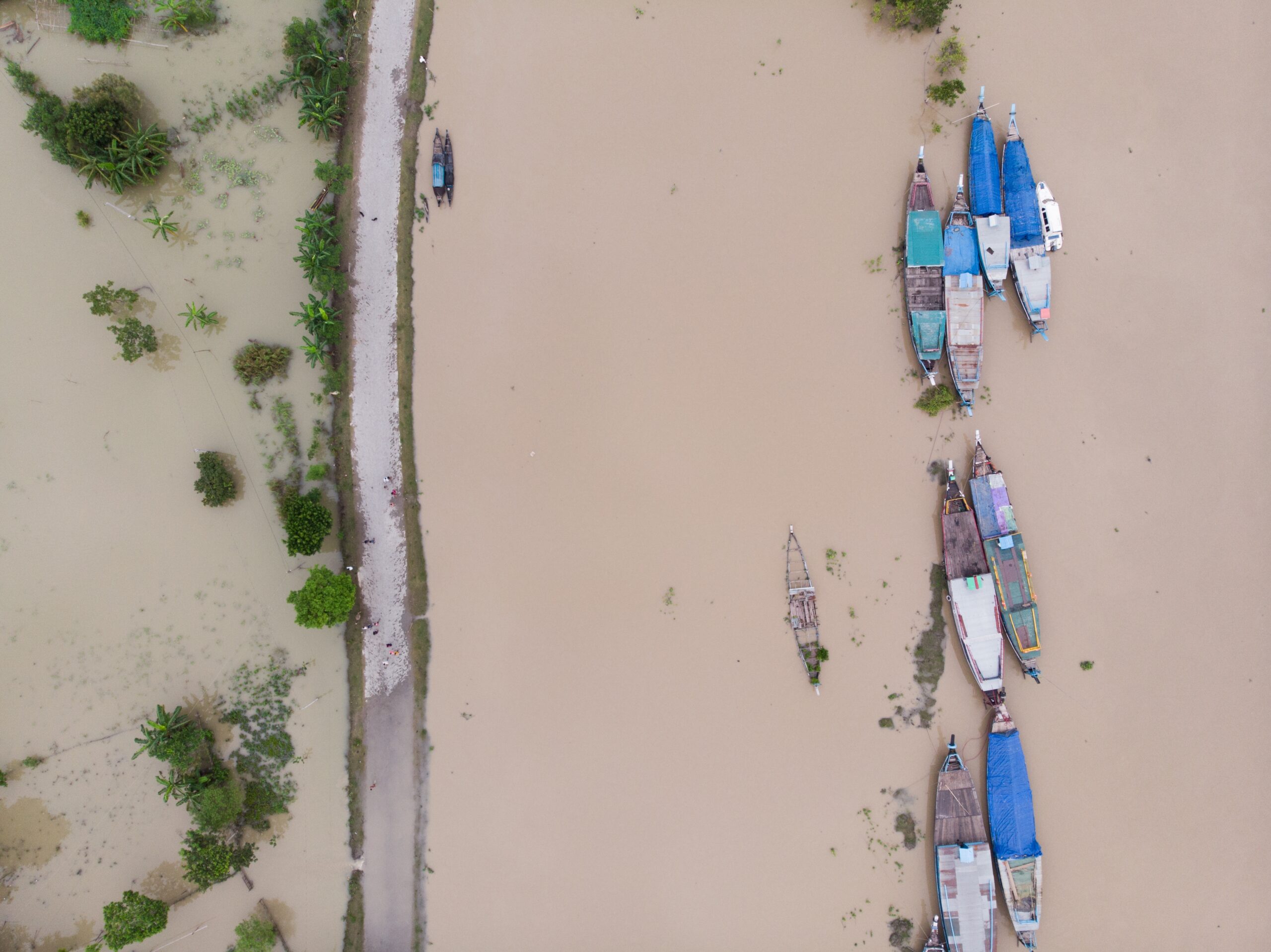
Flood Risk & Resilience
Flood assessment, modelling, mitigation planning, and resilience analysis across surface and groundwater flood sources.
Explore Flooding Solutions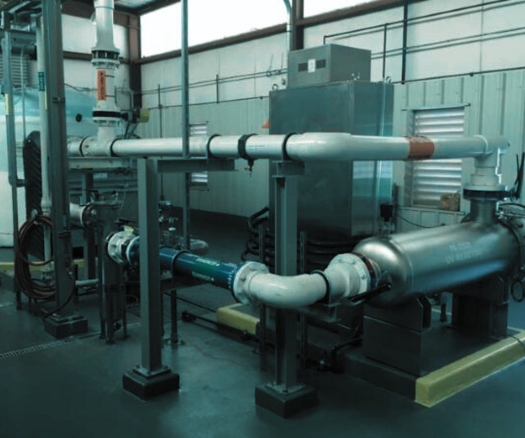
Groundwater Remediation & Recovery
Contaminated groundwater treatment, contaminant transport modelling, and regulatory closure.
Explore Groundwater Remediation
Rock & Geological Mapping
Subsurface investigations and geotechnical intelligence for mining and tunneling.
Explore Rock Mapping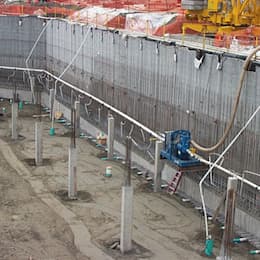
Groundwater Seepage Investigation
Water intrusion diagnostics for construction, metro rail, and underground structures.
Explore Groundwater Seepage
Water Risk Assessment
Risk assessment covering groundwater, water quality, supply, regulatory, operational, and sustainability exposure.
Explore Water Risk Assessment
Integrated Water Resource Management
Integrated planning across water supply, demand, allocation, sustainability, and long-term resource management.
Explore Integrated Water Resource Management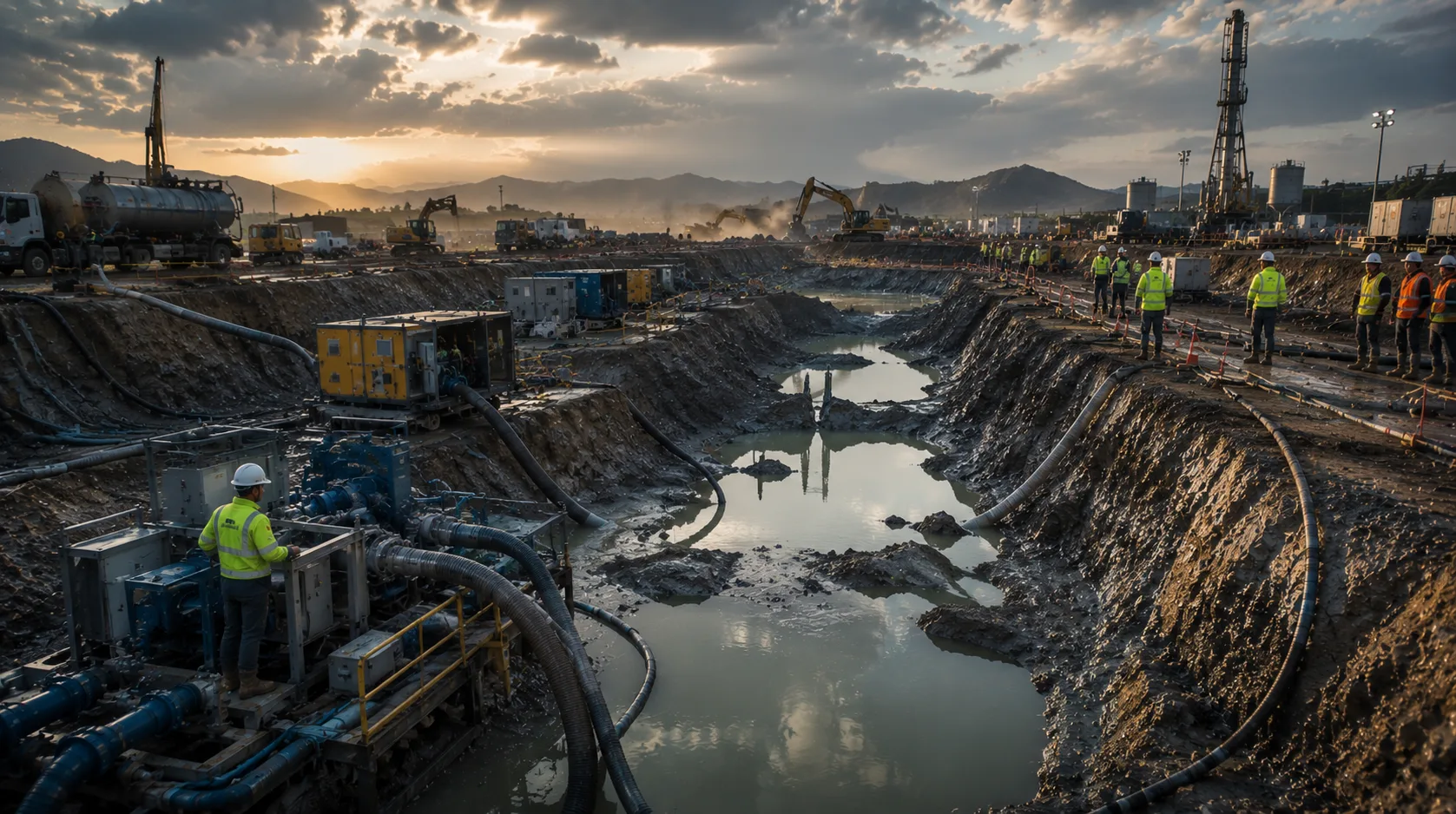
Dewatering Solutions
Groundwater control, dewatering assessment, system design, and management for construction, excavation, and mining projects.
Explore Dewatering Solutions
Soil Remediation
Contaminated land assessment and soil remediation for brownfield and industrial sites, with documentation supporting safe reuse.
Current SolutionRequest a Soil Remediation Consultation
Share your site, redevelopment, or contamination context and our team can review the soil remediation requirement with the right technical disciplines in mind.
Contaminated land requires more than surface treatment.
Whether the requirement is brownfield redevelopment, industrial site remediation, mining contamination recovery, or pre-transaction contaminated land assessment, the starting point is a rigorous understanding of what is in the ground and how it connects to the water system below.