

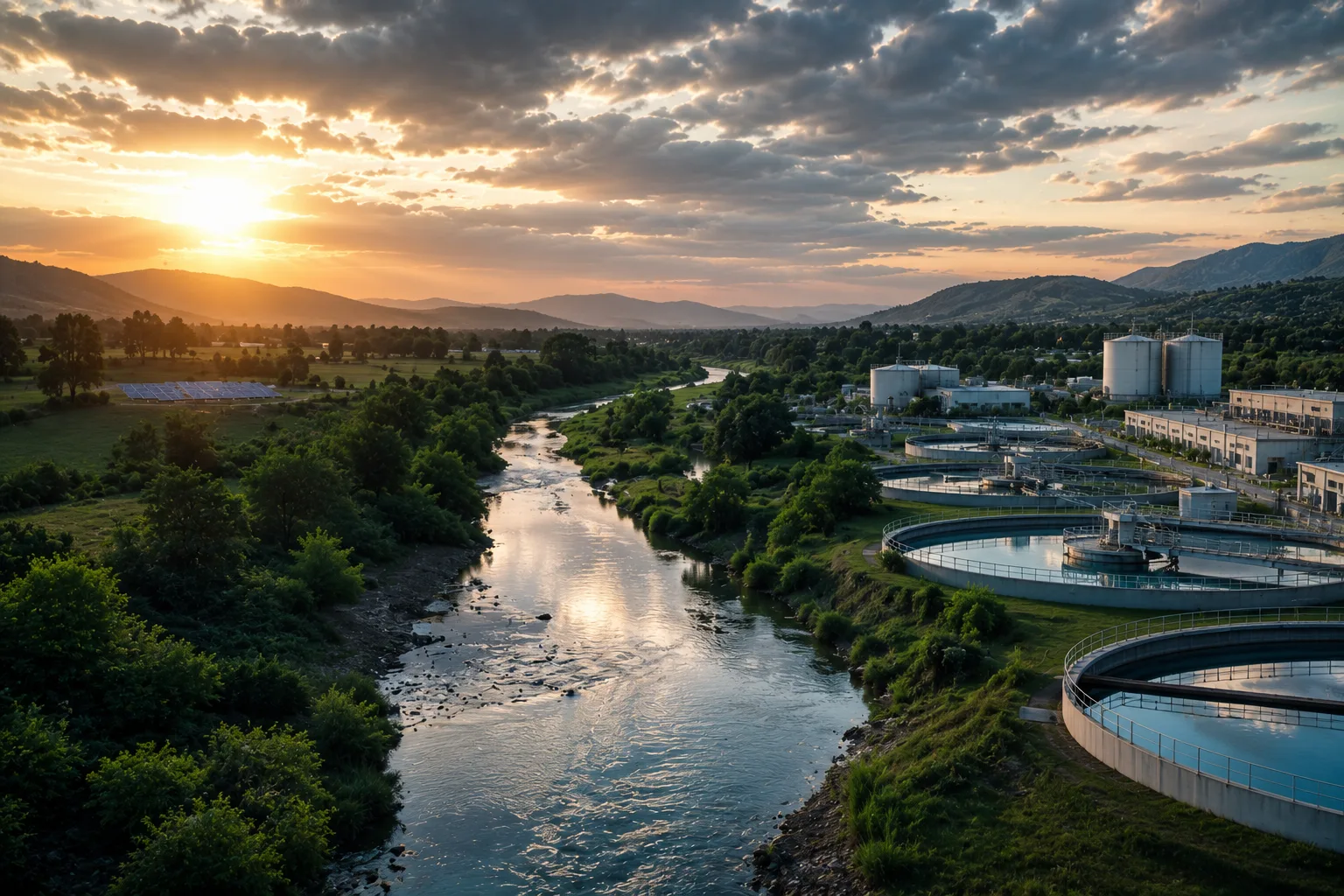
We establish the current state of the water system: groundwater conditions, surface water availability, existing use patterns, and the hydrological and hydrogeological context that defines what is available and what is sustainable.
Integrated Water Resource Management & Water Intelligence
Our integrated water resource management services combine groundwater assessment, surface water assessment, catchment analysis, and water resource planning. We help industries, infrastructure developers, and public authorities make informed decisions about water availability, demand, sustainability, and long-term water security.
Water Problems Rarely Exist in Isolation
Most water challenges are treated as separate issues:
- Groundwater depletion
- Urban flooding
- Water scarcity
- Water quality decline
- Industrial demand growth
- Climate variability
In reality, they are connected parts of the same water system.
A groundwater recharge project influences surface water flows. Urban expansion alters recharge patterns. Water extraction affects ecosystems and downstream users. Water quality in an aquifer reflects what happens at the surface above it.
Effective water management requires understanding these relationships before decisions are made. Programs that treat each challenge in isolation consistently underperform, because the solution in one part of the system creates an unmanaged consequence in another.
The Groundwater Company approaches water resource management as a connected system problem, integrating groundwater, surface water, catchment conditions, infrastructure, and human demand into a single analytical and strategic framework.
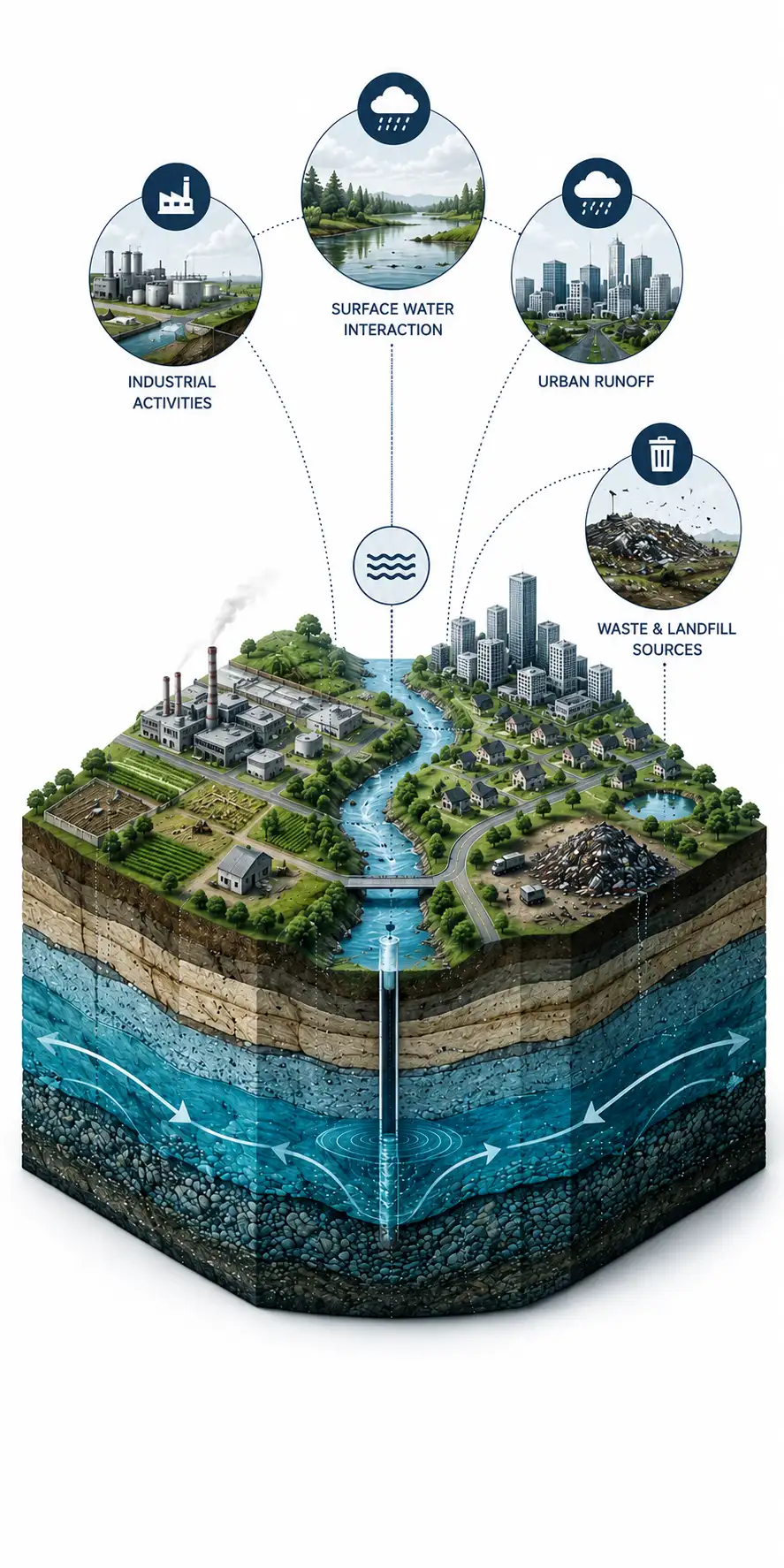
The water system perspective
The Water System Perspective
The scale of the water management challenge is not simply scarcity. It is the absence of system-level understanding that would allow organizations and governments to manage what they have.
Organizations that manage water well share one characteristic: they understand their water system before they make decisions about it. They have a verified water balance. They know how groundwater and surface water interact at their site or across their basin. They monitor availability and use. They engage with governance and regulatory frameworks from a position of technical knowledge.
The Groundwater Company supports that understanding across the full water management spectrum, from site-level groundwater assessment to basin-scale resource planning, from technical investigation to water governance advisory, and from immediate operational requirements to long-term sustainable water management programs. Our water resources consulting services connect site-level assessments with catchment and basin-scale planning. Each engagement considers water availability, existing demand, groundwater and surface water interactions, regulatory requirements, and future resource risks.
Our Integrated Water Resource Management Framework
Integrated water management requires a structured sequence that connects data, analysis, strategy, and governance.
We analyze both surface water and groundwater systems to understand how they behave independently and how they interact, including baseflow relationships, losing and gaining stream dynamics, and aquifer-river connectivity.
We evaluate current and projected water demand across sectors and user groups within the system, identifying where demand is approaching or exceeding sustainable availability thresholds.
We assess where water availability, quality, or access is at risk under current and projected conditions, including climate-driven variability, over-abstraction, contamination pathways, and infrastructure vulnerability.
We develop a verified water balance for the site, catchment, or basin, quantifying inflows, outflows, storage change, and sustainable yield under current and projected demand and climate scenarios.
We model water availability under alternative demand, climate, land use, and infrastructure scenarios, presenting outputs with documented assumptions and uncertainty ranges to support planning decisions.
We develop a water management strategy that addresses the full system, aligning water use, allocation, recharge, treatment, governance objectives, and infrastructure requirements within a coherent framework.
We advise on water governance structures, allocation frameworks, regulatory positioning, and institutional arrangements that support sustainable water resources management over the long term.
We design monitoring, data management, and analytical systems that provide continuous visibility into water resource conditions, supporting adaptive management and early warning capability.
We implement monitoring programs and reporting frameworks that track performance against water management objectives, enabling strategy to be updated as conditions and knowledge evolve.
Water Resource Assessment: What We Evaluate
Every integrated water management program begins with a structured evaluation of the water system. The scope is defined by the program objective and by the decisions the program is designed to support.
Water Availability and Resource Assessment
We assess water availability across groundwater and surface water sources, aquifer storage and levels, catchment yield, seasonal variability, infrastructure performance, and environmental flow requirements.
Quality, Risk, and Resilience
We evaluate water quality monitoring needs across sources and supply zones, flood risk from surface water and groundwater behavior, drought thresholds, climate resilience, and projected system sensitivity to change. For scientific context, see the IPCC assessment of climate-related water risks.
Demand and Growth Pressure
We test existing and future demand across sectors, user groups, and growth scenarios, identifying where demand is approaching or exceeding sustainable availability thresholds.
Regulatory and Governance Context
We map abstraction, discharge, water quality, allocation, and governance requirements so that technical recommendations remain aligned with the institutional framework that determines implementation.
Managing Competing
Water Demands
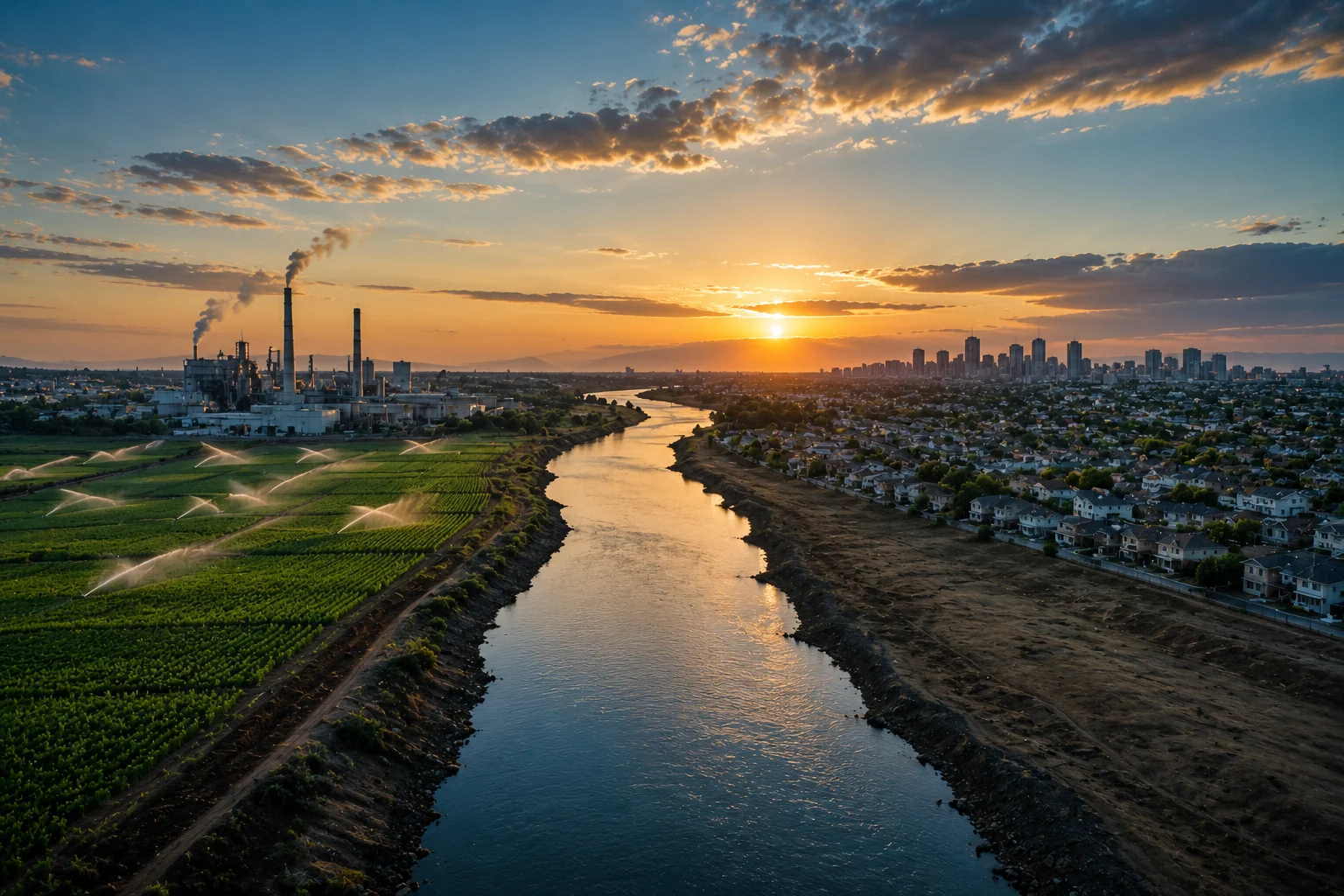
One of the most complex challenges in integrated water management is allocating available water among users and uses with different priorities, timelines, and regulatory standings.
Municipal and Urban Supply
Future municipal supply planning requires system-level understanding of groundwater, surface water, recharge sustainability, and treatment capacity as cities grow and aquifer levels decline.
Industrial Water Management Services
Our industrial water management services help facilities evaluate demand, verify water balance conditions, assess water efficiency, and align operational requirements with available groundwater and surface water resources.
Infrastructure and Urban Development
Large-scale development alters recharge, runoff, drainage, and water quality at catchment scale, so mitigation must be designed within the broader system before construction commits.
Energy and Power Generation
Thermal power, hydropower, and cooling systems interact with the water balance in ways that affect downstream users and environmental flows.
Environmental and Ecological Flows
Groundwater-dependent ecosystems and minimum environmental flows must be factored into allocation or the shared resource base degrades over time.
Future Demand and Growth
Population growth, industrial expansion, and climate variability reshape the demand picture across every water system, making future trajectories essential to durable strategy.
Water Governance and Institutional Coordination
Water allocation frameworks, stakeholder coordination, regulatory alignment, stewardship programs, and basin governance determine whether technical recommendations become durable outcomes.
Groundwater Management in a Connected Water System
Groundwater systems and aquifer behaviour, recharge sustainability, abstraction impacts, contamination linkages, and long-term groundwater health are built into the full water balance rather than treated as a separate problem.
Smart Water Management & Analytical Intelligence
Water management decisions are only as good as the data and analysis behind them. The Groundwater Company integrates monitoring systems, geospatial intelligence, satellite observations, remote sensing, and AI-assisted analytics to move from periodic assessment toward continuous, decision-relevant water intelligence.
Integrated Monitoring and Mapping
Real-time monitoring network integration combines groundwater levels, surface water flows, abstraction data, and water quality into a unified water picture, while geospatial mapping integrates satellite observations, remote sensing, and field data across catchment and basin scales.
Scenario Modelling and Forecasting
Water balance modelling, demand forecasting, and climate, land use, and infrastructure scenario testing show how availability changes under multiple assumptions, always with documented uncertainty ranges.
Water Stress and Risk Intelligence
We identify where availability approaches critical thresholds before operational or regulatory consequences occur, mapping vulnerability across a site, basin, or portfolio and ranking risk by probability and consequence.
Decision Support with Expert Review
Every analytical output is reviewed by an experienced hydrogeologist, hydrologist, or water management specialist before it informs strategy, submission, or executive decision making.
Industries and Sectors We Support
Government & Municipal Authorities
Technical and governance advisory for basin planning, allocation frameworks, public water security, and resource policy.
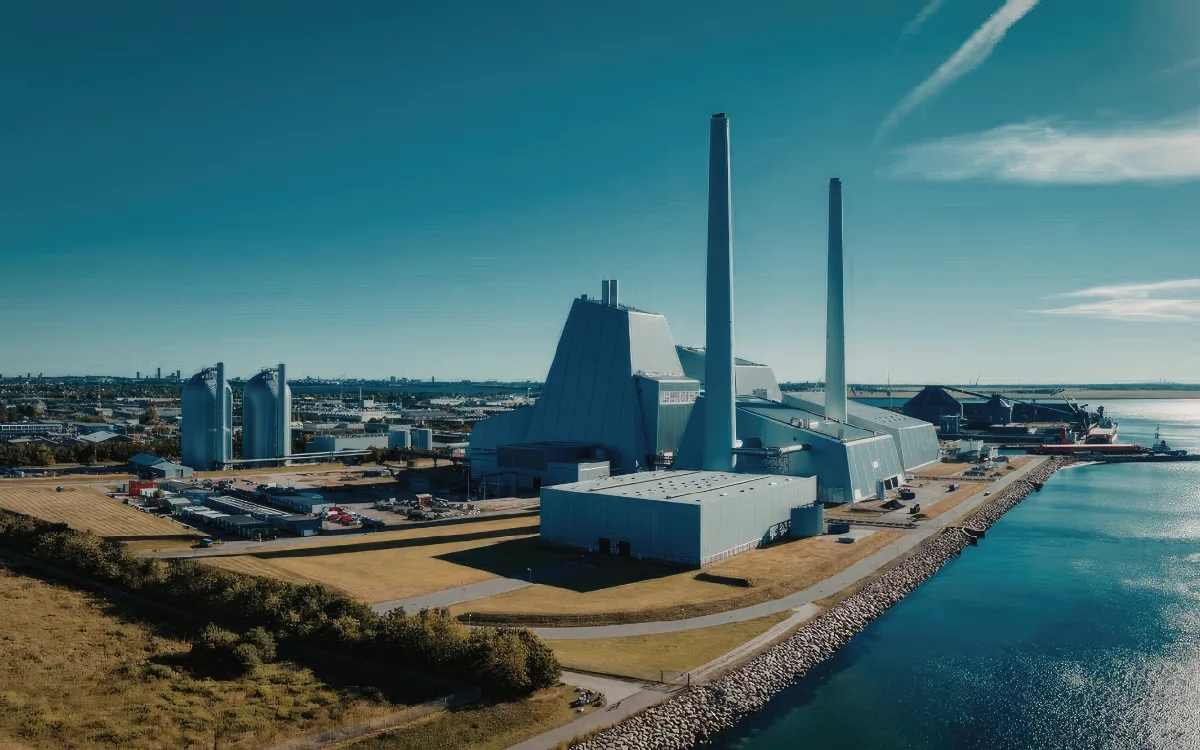
Industrial and Manufacturing
Integrated water management for facilities with significant water dependency, reporting obligations, and sustainability commitments.
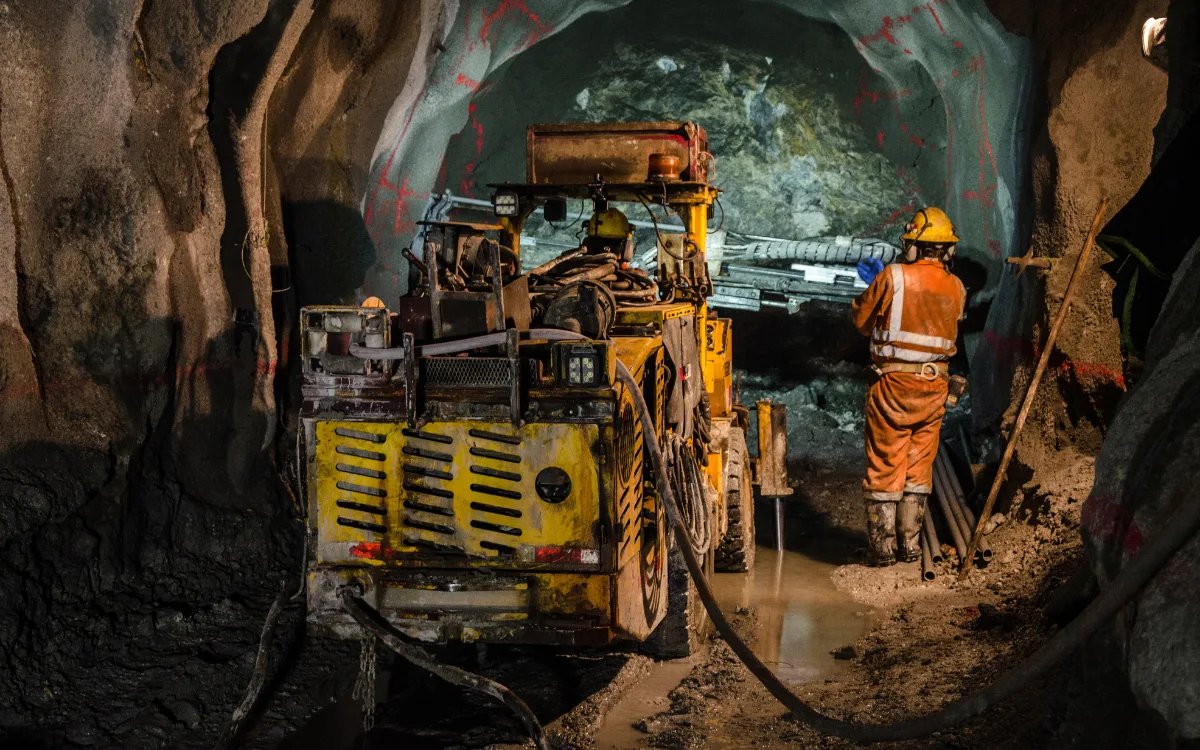
Mining and Resources
Basin and site-scale water balance, quality management, allocation, governance, and post-closure planning.
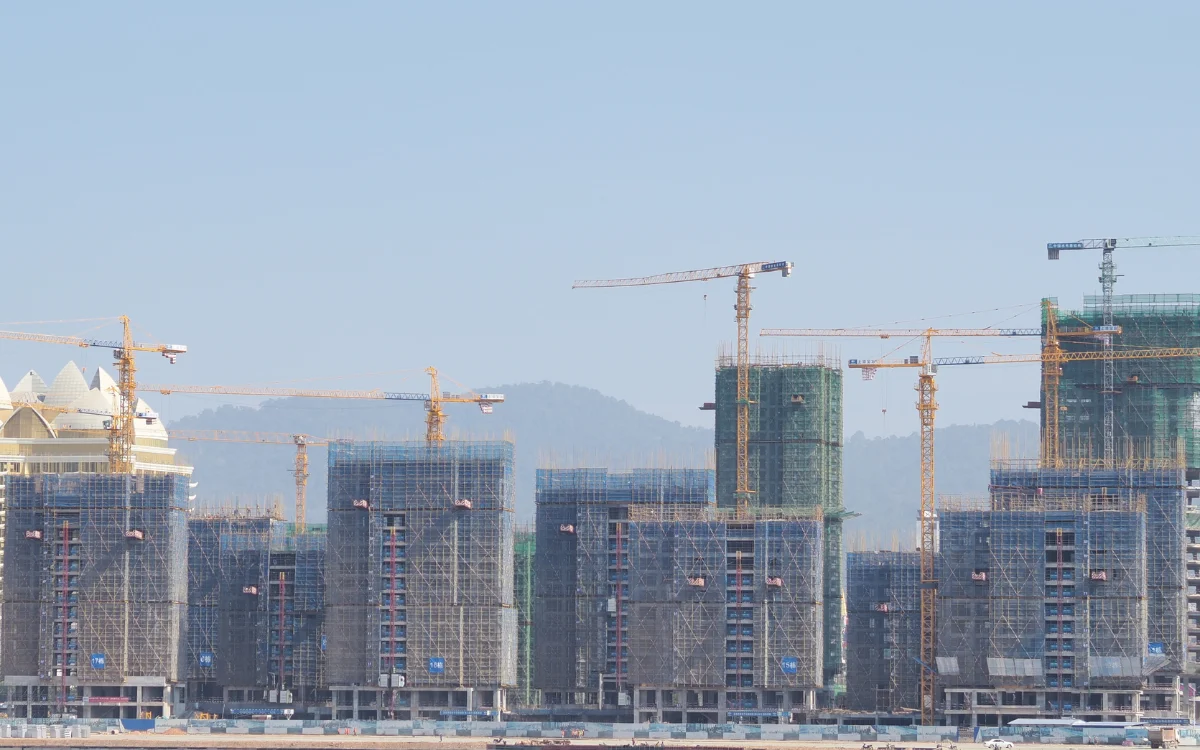
Infrastructure and Urban Development
Water assessment and planning for major projects where availability, quality, and governance determine feasibility.

Energy and Utilities
Water management for operations with high demand, catchment dependencies, and water risk exposure affecting continuity.
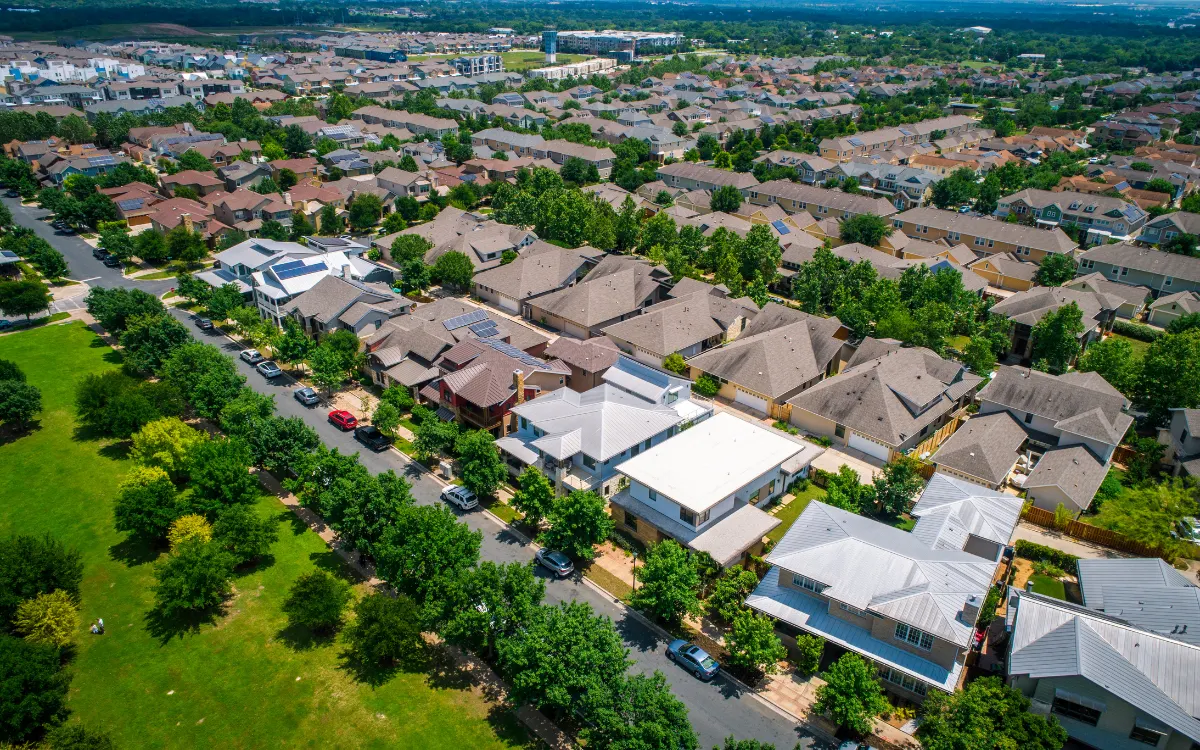
Smart Cities and Large Developments
Data-driven urban water systems integrating monitoring, demand management, resilience planning, and adaptive resource strategy.
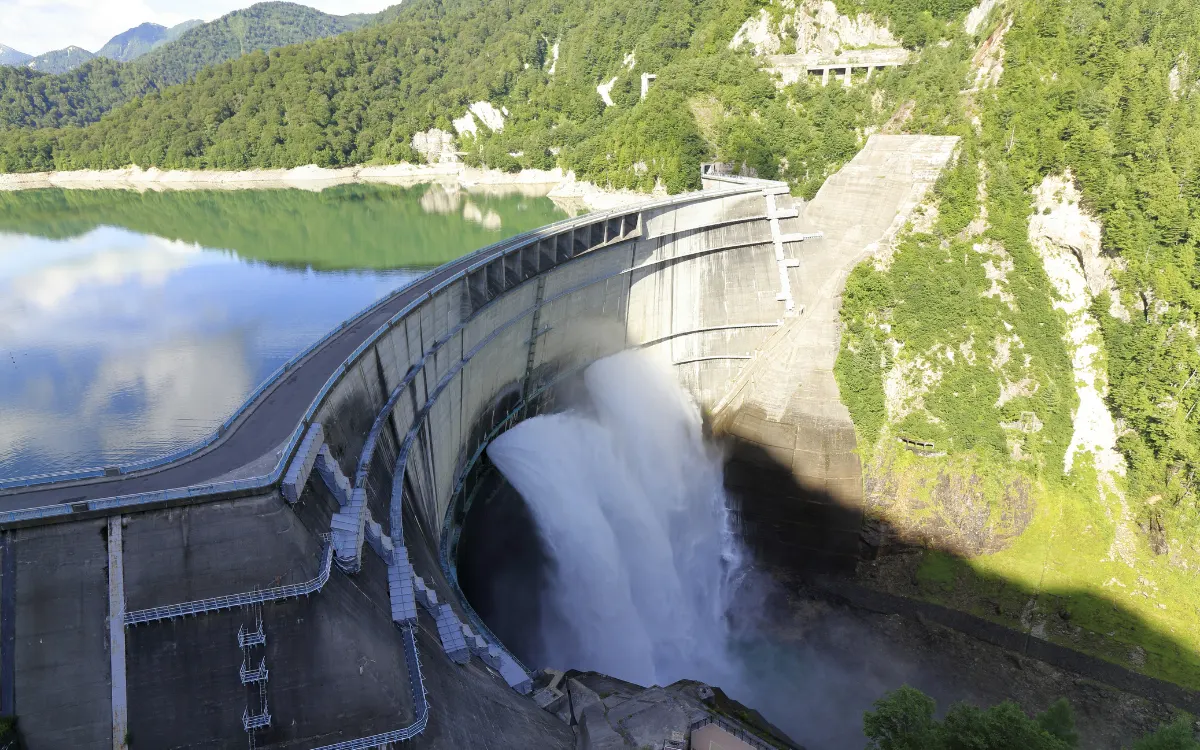
Development Finance and Infrastructure Programs
Water due diligence, feasibility assessment, and technical advisory for projects supported by public and development finance.
Data Centres and High Water Demand Facilities
Integrated water resource assessment and sustainable water management for water-intensive operations with ESG scrutiny.
Integrated Water Management Services and Engagements
Organizations engage The Groundwater Company for integrated water resource management across industrial sites, river basins, urban systems, infrastructure programs, climate resilience planning, corporate stewardship, government allocation programs, mine operations, and high water demand facilities that need both technical depth and governance alignment. As a water resource management consultant, The Groundwater Company supports organizations with water balance assessments, resource allocation studies, scenario modelling, and long-term management planning. Our water resource planning consultants work with technical and management teams to translate assessment findings into practical decisions.
Common Engagement Types
- Industrial site water balance assessment and sustainable water management program development
- River basin water stress and groundwater availability assessment for infrastructure investment decisions
- Corporate water stewardship programs connecting operational water use to verified resource data
- Government water governance advisory for basin-level allocation and regulatory planning
- Mine site integrated water management from operation through closure
- Urban water security planning integrating groundwater and surface water supply
- Water resource due diligence for infrastructure and development finance programs
- Smart city water management linking real-time monitoring to decision support systems
Why Organizations Choose The Groundwater Company for Water Management
The Groundwater Advantage in IWRM
Most integrated water management programs start from the surface water side. The Groundwater Company brings the subsurface dimension that conventional programs consistently underserve.
Full-System Technical Coverage
We work across groundwater, surface water, catchment hydrology, and water governance within a single engagement rather than separating them across disconnected advisors.
Technical and Governance Depth
We advise at the engineering and scientific level on water systems, and at the governance and policy level on allocation, regulation, and institutional arrangements.
Smart Water Management Capability
Our monitoring and analytical systems provide continuous water intelligence, not just periodic assessments, materially improving decision quality for organizations managing water at scale.
Predictive Assessment
Scenario modelling, demand forecasting, and climate sensitivity analysis give clients the forward view that static assessments cannot provide.
Water Sustainability Consulting and ESG Alignment
Our water sustainability consulting connects water resource assessments, demand management, regulatory requirements, and corporate water stewardship objectives. We help organizations develop technically supported water management plans and sustainability reporting inputs.
Long-Term Partnership
Water systems change with climate, demand, land use, and infrastructure development, so we structure engagements for continuity and adaptation rather than one-time delivery.
Decision-Ready Reporting
We translate technical findings into outputs that are usable for regulators, engineers, investment decisions, executive teams, and boards.
Technical Disciplines Behind Our Water Management Programs
Integrated water resource management programs at The Groundwater Company are delivered through hydrogeology, hydrology and surface water assessment, environmental engineering, water resources engineering, GIS and geospatial analysis, remote sensing and satellite analysis, climate risk assessment, mathematical and hydrological modelling, environmental planning, water policy and governance advisory, water risk assessment, and regulatory documentation.
Typical IWRM Deliverables
- Water balance models quantifying availability, use, and sustainable yield across groundwater and surface water
- Basin and catchment assessments integrating hydrological, hydrogeological, and environmental data at the relevant scale
- Groundwater management plans covering aquifer sustainability, abstraction limits, recharge programs, and monitoring frameworks
- Water security strategies defining resource protection measures, demand management priorities, and long-term supply options
- Climate resilience plans identifying water-system sensitivity and adaptation measures under projected change
- Water allocation studies supporting permit applications, negotiations, and basin-level planning
- ESG water stewardship reports linked to GRI-aligned and SDG 6-related disclosure frameworks
- Executive decision reports translating technical findings into strategic recommendations for leadership and board audiences
The Groundwater Company Groundwater
Intelligence Solutions
Each solution produces auditable data and decision-ready outputs.
Groundwater Consulting
Aquifer studies, hydrogeological investigations, and long-term management strategies.
Explore Groundwater Consulting Services
Recharge & Aquifer Sustainability
Artificial recharge systems and replenishment programs with measurable yield tracking.
Explore Groundwater Recharge Solutions
Groundwater Quality Monitoring
Groundwater quality assessment, contamination monitoring, hydrochemical analysis, and long-term trend intelligence.
Explore Groundwater Quality Monitoring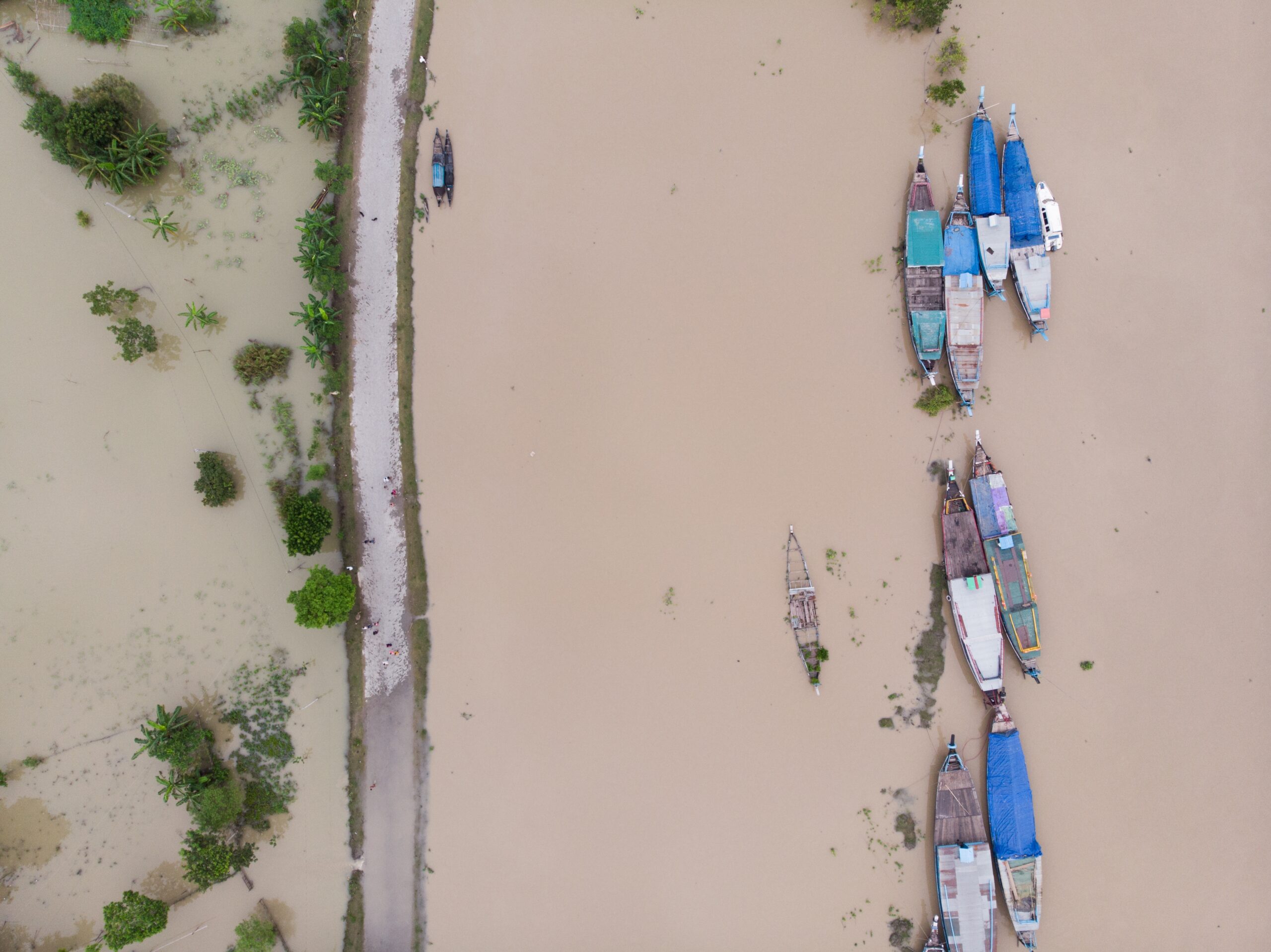
Flood Risk & Resilience
Flood assessment, modelling, mitigation planning, and resilience analysis across surface and groundwater flood sources.
Explore Flood Risk Solutions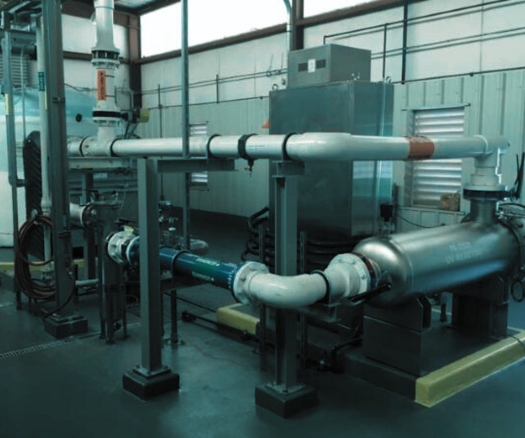
Groundwater Remediation & Recovery
Contaminated groundwater treatment, contaminant transport modelling, and regulatory closure.
Explore Groundwater Remediation
Rock & Geological Mapping
Subsurface investigations and geotechnical intelligence for mining and tunneling.
Explore Rock Mapping Services
Groundwater Seepage Investigation
Water intrusion diagnostics for construction, metro rail, and underground structures.
Explore Groundwater Seepage Solutions
Water Risk Assessment
Risk assessment covering groundwater, water quality, supply, regulatory, operational, and sustainability exposure.
Explore Water Risk Assessment
Integrated Water Resource Management
Integrated planning across water supply, demand, allocation, sustainability, and long-term resource management.
Current Solution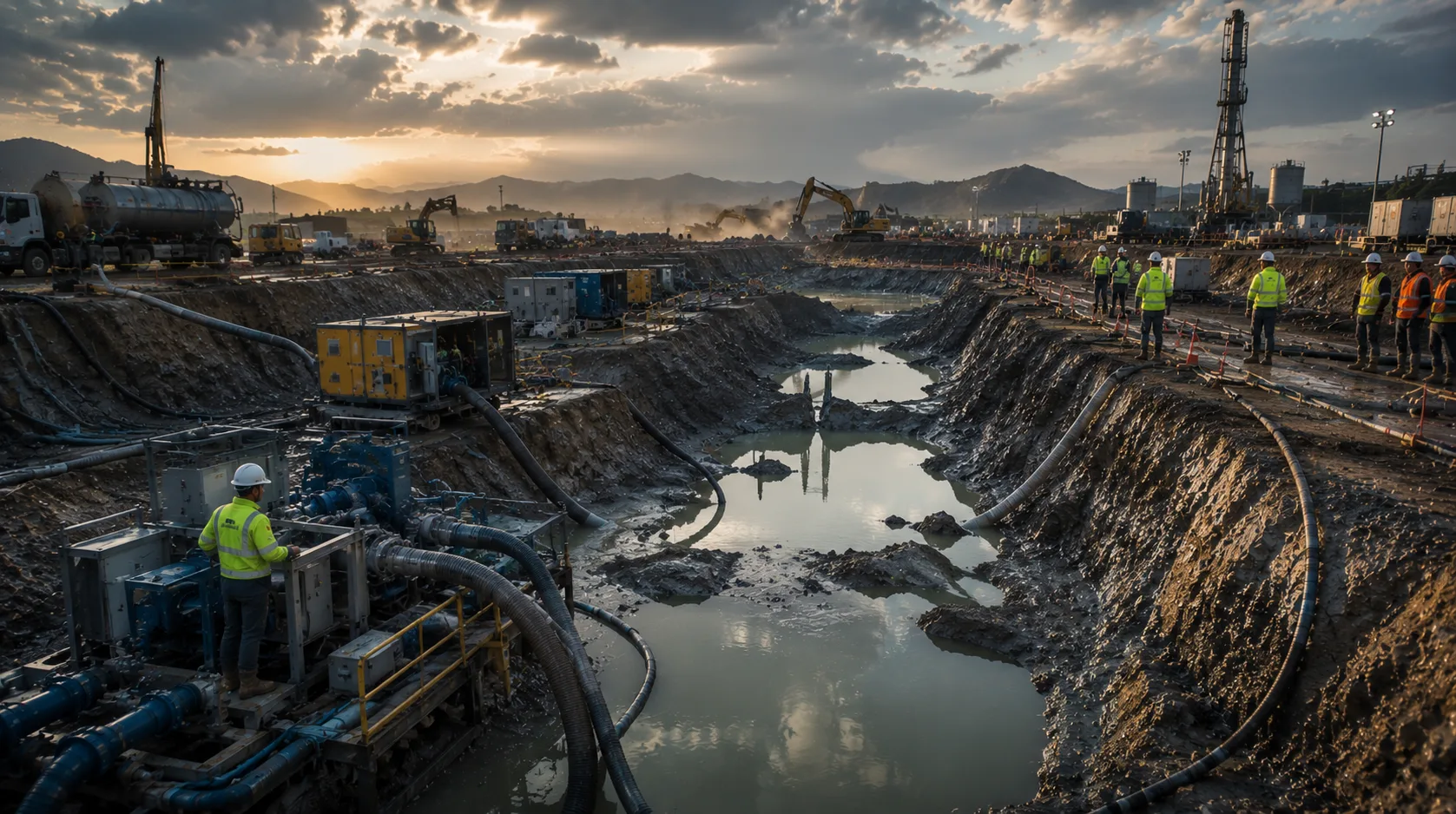
Dewatering Solutions
Groundwater control, dewatering assessment, system design, and management for construction, excavation, and mining projects.
Explore Dewatering Solutions
Soil Remediation
Contaminated land assessment and soil remediation for brownfield and industrial sites, with documentation supporting safe reuse.
Explore Soil Remediation ServicesWater security requires more than individual projects.
Whether the requirement is groundwater management, surface water planning, catchment protection, climate resilience, water governance, or a complete integrated water resource management program, the starting point is a rigorous understanding of the water system as a whole.