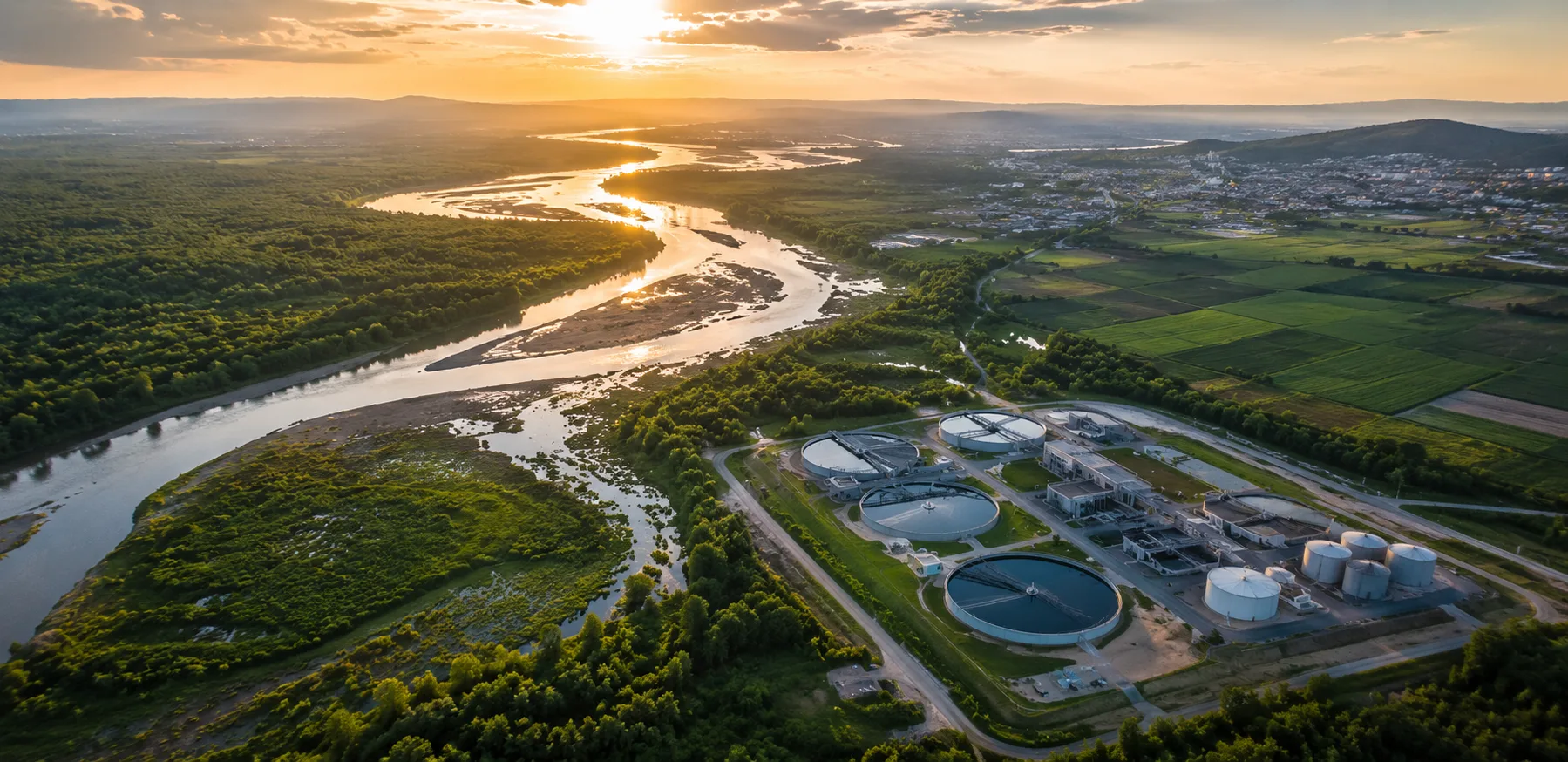
Physical Water Risk
Water scarcity, drought, flooding, aquifer depletion, groundwater level decline, and extreme rainfall affecting site conditions and water availability.

The Groundwater Company provides groundwater risk assessment and hydrogeological risk assessment services for industrial facilities, infrastructure projects, real estate developments, and investment portfolios. Our assessments evaluate aquifer conditions, contamination pathways, water availability, supply security, regulatory exposure, and long-term operational risks to support informed decisions.
Water risk is not always visible from the surface. Contamination migrates invisibly through aquifers. Aquifers deplete gradually before supply failure becomes apparent. Regulatory water risk accumulates in compliance records that are rarely reviewed systematically. Quality deterioration in a source begins as a trend before it becomes a threshold breach.
Organizations commission a water risk assessment audit when they need a documented, defensible, and independently structured picture of their water risk exposure. That need typically arises across four decision contexts:
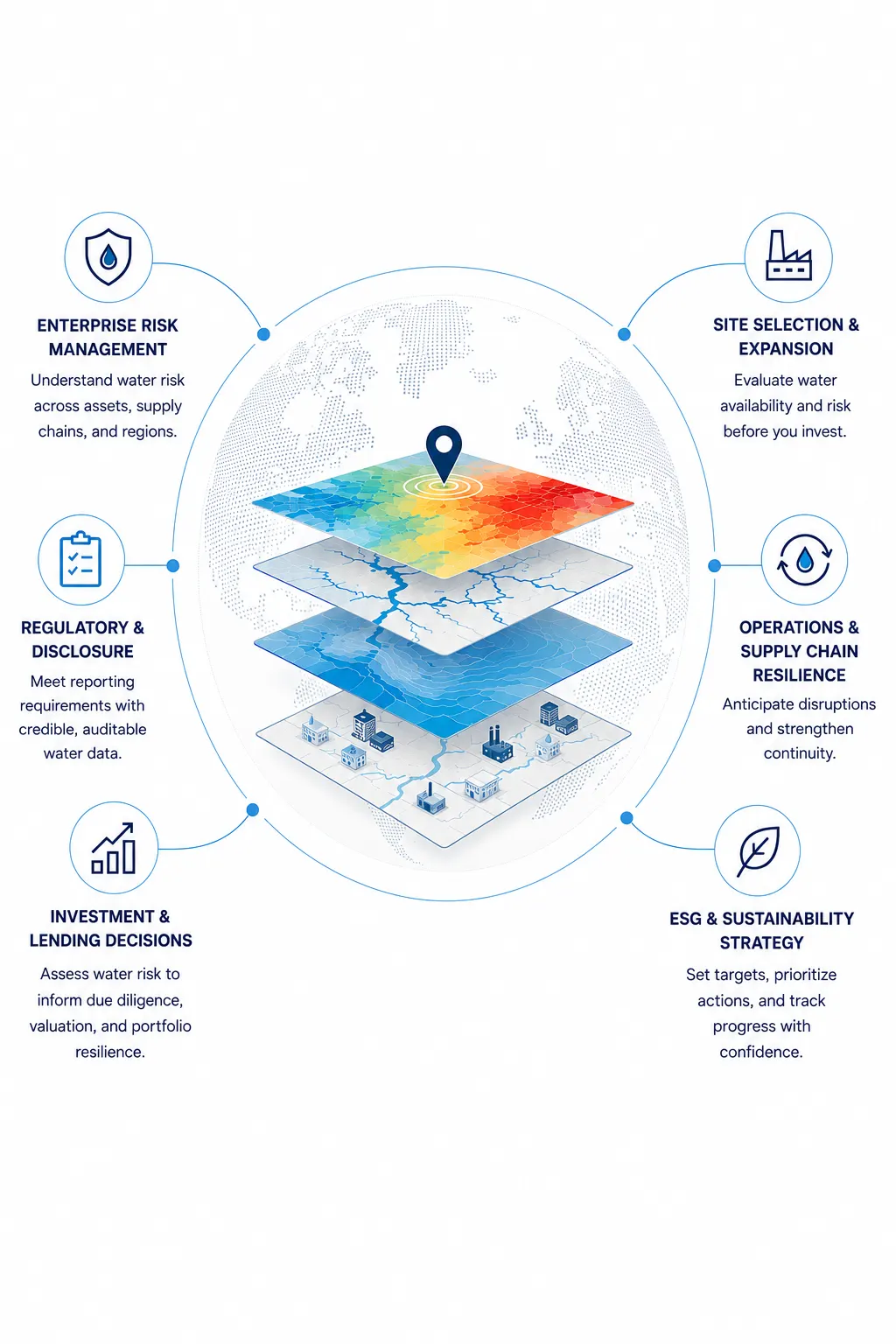
Our water risk assessment services address the physical, quality, regulatory, operational, financial, and reputational dimensions of the same water system to produce a complete risk picture.
The risk that groundwater or surface water supply is insufficient, unreliable, or unsustainable; the risk from contamination, depletion, over-abstraction, infiltration, aquifer vulnerability, and groundwater-dependent infrastructure; and the risk that water sources or receiving environments fail to meet quality standards required for use, discharge, or compliance.
The risk of surface flooding, groundwater flooding, and combined system failure under extreme rainfall and climate scenarios; the risk of non-compliance with permits, licences, consents, and statutory obligations; and the risk that water dependency or impact creates exposure in reporting, stakeholder relationships, or investor assessments.

These six categories form The Groundwater Company water risk assessment taxonomy. Every audit defines which categories are material for the specific client, site, and decision context before assessment begins.
Water scarcity, drought, flooding, aquifer depletion, groundwater level decline, and extreme rainfall affecting site conditions and water availability.
Contamination, salinity intrusion, geogenic quality conditions, emerging pollutants, source deterioration, and treatment system failure.
Permit compliance, abstraction licence conditions, discharge consent obligations, environmental standards, and emerging restrictions on water use or quality.
Supply interruption, treatment dependency, groundwater-dependent infrastructure exposure, and continuity risk from water system failure or deterioration.
Increased procurement cost, penalty exposure, remediation liability, delayed delivery, reduced asset value, and stranded asset risk.
ESG disclosure exposure, stakeholder concern about water use or impact, and investor scrutiny of water-risk management practices.
Independent water risk audits, pre-transaction due diligence, portfolio water risk screening, and operational reviews conducted using a documented assessment methodology, with clearly defined scope, evidence requirements, and reporting standards.
Groundwater risk assessment services, water quality risk assessment, supply and availability audit, and flood and groundwater flood assessment support operational, infrastructure, and investment decisions.
Regulatory water risk review and ESG disclosure support connecting technical findings to permit obligations, reporting requirements, stewardship commitments, and investor scrutiny.
Multi-asset risk screening that identifies where water risk is most material first, helping clients direct deeper investigation and mitigation resources to the highest-priority locations.
Every audit follows a structured sequence that connects scope definition, hydrogeological assessment, regulatory review, and risk prioritization into one defensible output.
We define the water risk dimensions, the site or portfolio boundary, the decision or disclosure the audit must support, and the evidence standard required.
We review site history, operational records, prior investigations, regulatory correspondence, and known or suspected water risk conditions before field work begins.
Our water security risk assessment evaluates water availability, source reliability, operational demand, potential supply interruption, and long-term supply vulnerability for each site or portfolio.
We assess contamination, aquifer depletion, seepage and intrusion, and groundwater-dependent infrastructure risk using field data, monitoring records, and hydrogeological analysis.
We evaluate source water quality, contamination pathways, treatment adequacy, compliance status, and long-term trend indicators.
We assess current and projected availability against demand, accounting for climate variability, competing abstraction, aquifer sustainability, and infrastructure reliability.
We review surface flooding, groundwater flooding, drainage system performance, and the exposure of assets and operations to extreme rainfall and groundwater-level events.
We review permits, abstraction licences, discharge consents, and statutory obligations to identify compliance gaps and exposure before they become enforcement or transaction issues.
We score identified risks by likelihood and consequence, producing a prioritized risk register that supports resource allocation and risk management planning.
We prepare a structured audit report with documented methodology, risk findings, uncertainty ranges, and recommendations formatted for transaction, regulatory, ESG, or operational use.
Our groundwater risk assessment services evaluate groundwater availability, contamination pathways, aquifer depletion and over-abstraction, seepage and intrusion, aquifer vulnerability, groundwater-dependent infrastructure and operations, source baselines, treatment adequacy, compliance status, and groundwater quality trends. Each hydrogeological risk assessment considers site-specific geological and hydrogeological conditions, aquifer characteristics, groundwater movement, monitoring records, and existing hydrogeological investigations; field investigations and groundwater modelling are used where relevant to project requirements and available evidence. The Groundwater Company applies these findings within the same audit logic.

Water risk assessment programs generate field data, monitoring records, regulatory information, geospatial conditions, and climate projections. Integrated analytical methods help organize and interpret these datasets to support timely, evidence-based decisions.
Global and regional water stress screening using verified geospatial datasets to establish the baseline risk context before site-level work begins.
Groundwater level and quality trend analysis across monitoring datasets, identifying trajectories that static snapshots cannot reveal.
Integrated geological, hydrogeological, land use, and regulatory mapping to support site and portfolio risk prioritization.
Permit, licence, and compliance database screening to identify regulatory exposure before formal review begins.
Risk-materiality ranking across multiple assets to direct investigation resources to the highest-risk locations first.
Assessment of how projected changes in rainfall, recharge, and extreme events alter the water risk profile over the audit horizon. For global hydrological context, see the WMO State of Global Water Resources 2025.
Every analytical output is reviewed by an experienced hydrogeologist or water risk specialist before inclusion in an audit report.
Findings are presented with stated assumptions and uncertainty ranges, not as precise determinations beyond what field evidence supports.
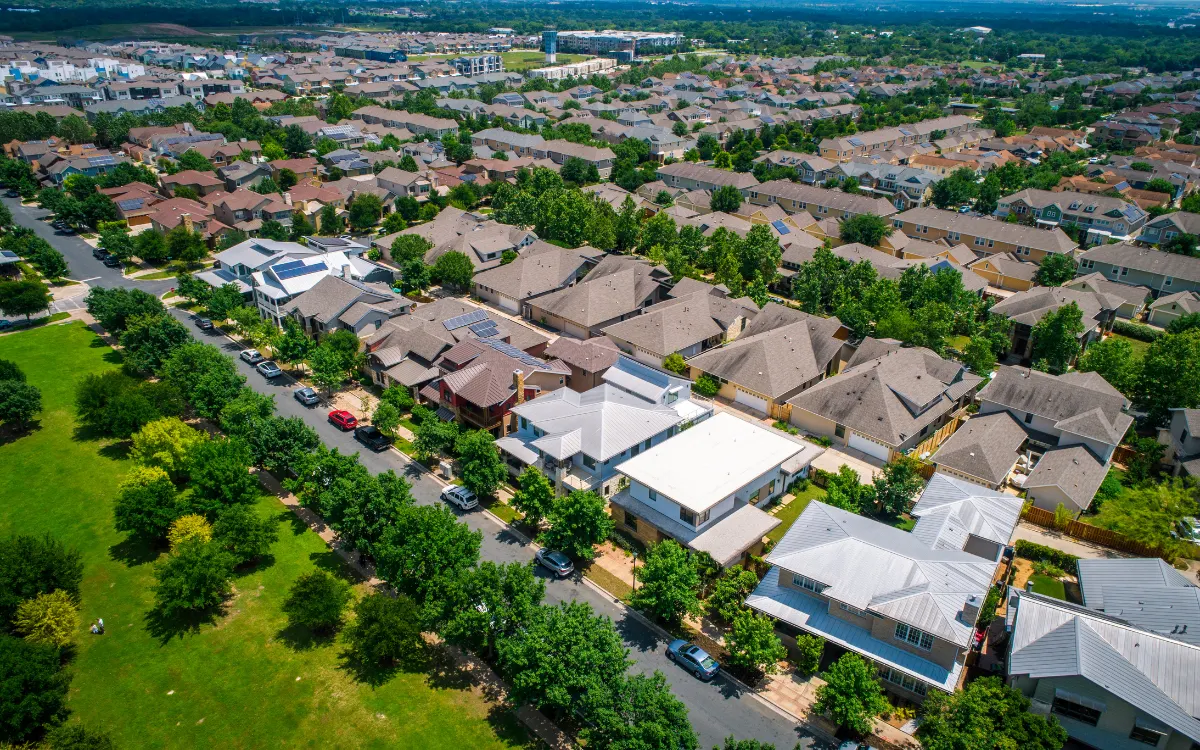
Pre-acquisition water risk due diligence for commercial, industrial, and mixed-use assets where contamination, flood risk, or compliance exposure affects value.

A site water risk assessment supports development feasibility and infrastructure planning by evaluating groundwater conditions, flood exposure, water availability, and quality.
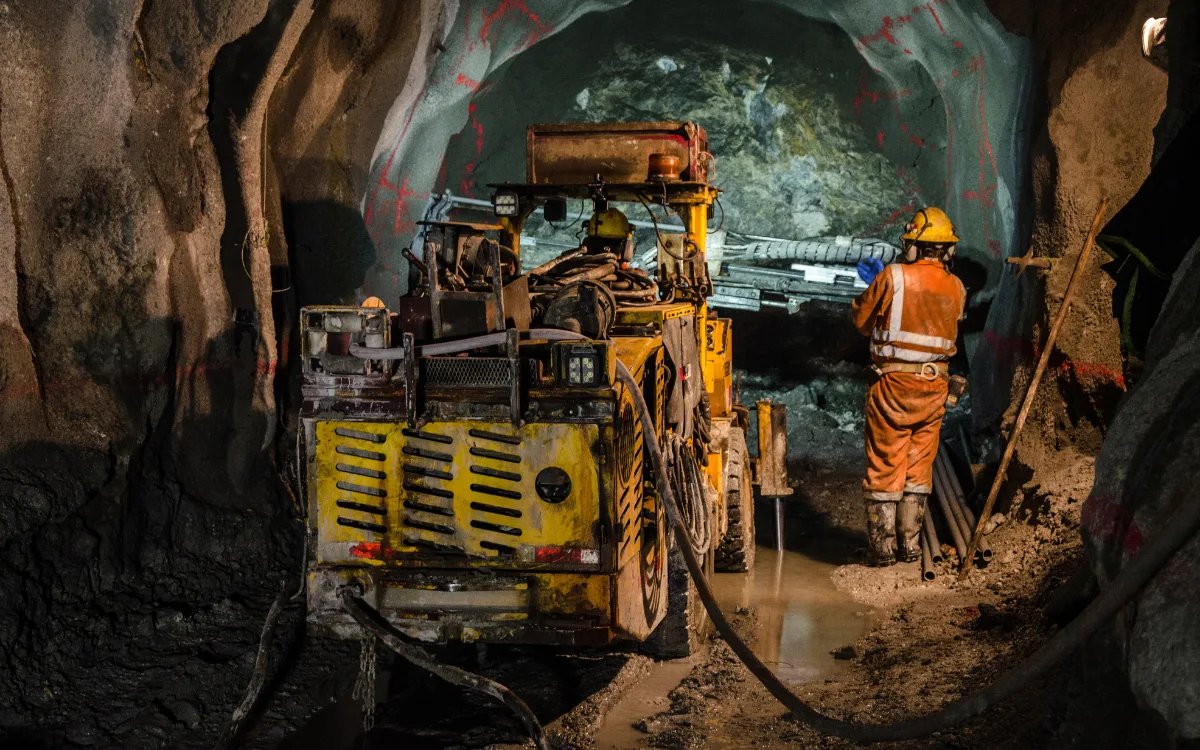
Operational and post-closure water risk audit where groundwater exposure, contamination, and compliance are material to valuation and management.
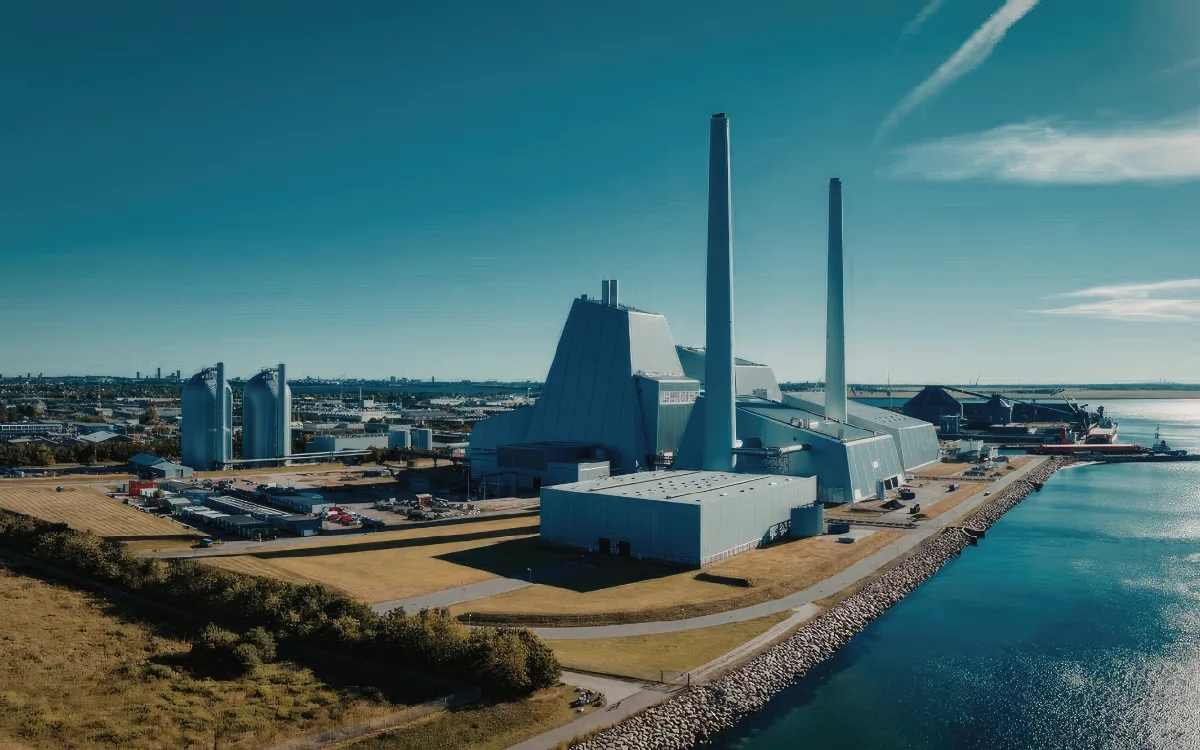
Industrial water risk assessment for manufacturing facilities evaluates groundwater dependency, water supply reliability, contamination liability, discharge compliance, and operational continuity.

Water risk review for power generation, storage, and utility assets where supply, quality, and flood exposure affect continuity.

Independent technical audit for public assets, contaminated land programs, source protection, and compliance verification.

Water risk due diligence for infrastructure investment programs and project-finance decisions where water viability is material.

Water sustainability risk assessment evaluates groundwater sustainability, water stress, and resource availability to support water stewardship, lender requirements, and sustainability disclosure.

A specialist water risk assessment consultant brings the subsurface expertise needed to evaluate groundwater conditions and integrate them into each audit.
Whether the output supports a transaction, regulatory submission, or ESG disclosure, the evidence standard, documentation rigor, and uncertainty management stay consistent.
We define scope, evidence standard, intended use, and limitations at the outset so the client knows what the audit will cover and produce.
Our audit reports are structured to withstand scrutiny from counterparties, regulators, institutional investors, and technical peers.
We assess groundwater, quality, supply, flood, and regulatory risk within one integrated audit rather than leaving the client to reconcile separate studies.
Methodology, terminology, and documentation are written with regulatory review in mind and aligned with the compliance environments our clients operate in.
Geospatial screening, modelling, and risk prioritization strengthen the completeness and speed of risk identification without replacing expert judgement.
We translate technical risk findings into outputs usable by operations teams, regulators, investors, boards, and transaction advisors.
Water risk assessment and audit programs at The Groundwater Company are delivered through hydrogeology, environmental engineering, hydrology and surface water assessment, geochemistry, water quality science, GIS and geospatial analysis, environmental risk assessment, regulatory documentation, climate risk analysis, groundwater modelling, and environmental due diligence.
Each solution produces auditable data and decision-ready outputs.

Aquifer studies, hydrogeological investigations, and long-term management strategies.
View Solution
Artificial recharge systems and replenishment programs with measurable yield tracking.
View Solution
Groundwater quality assessment, contamination monitoring, hydrochemical analysis, and long-term trend intelligence.
View Solution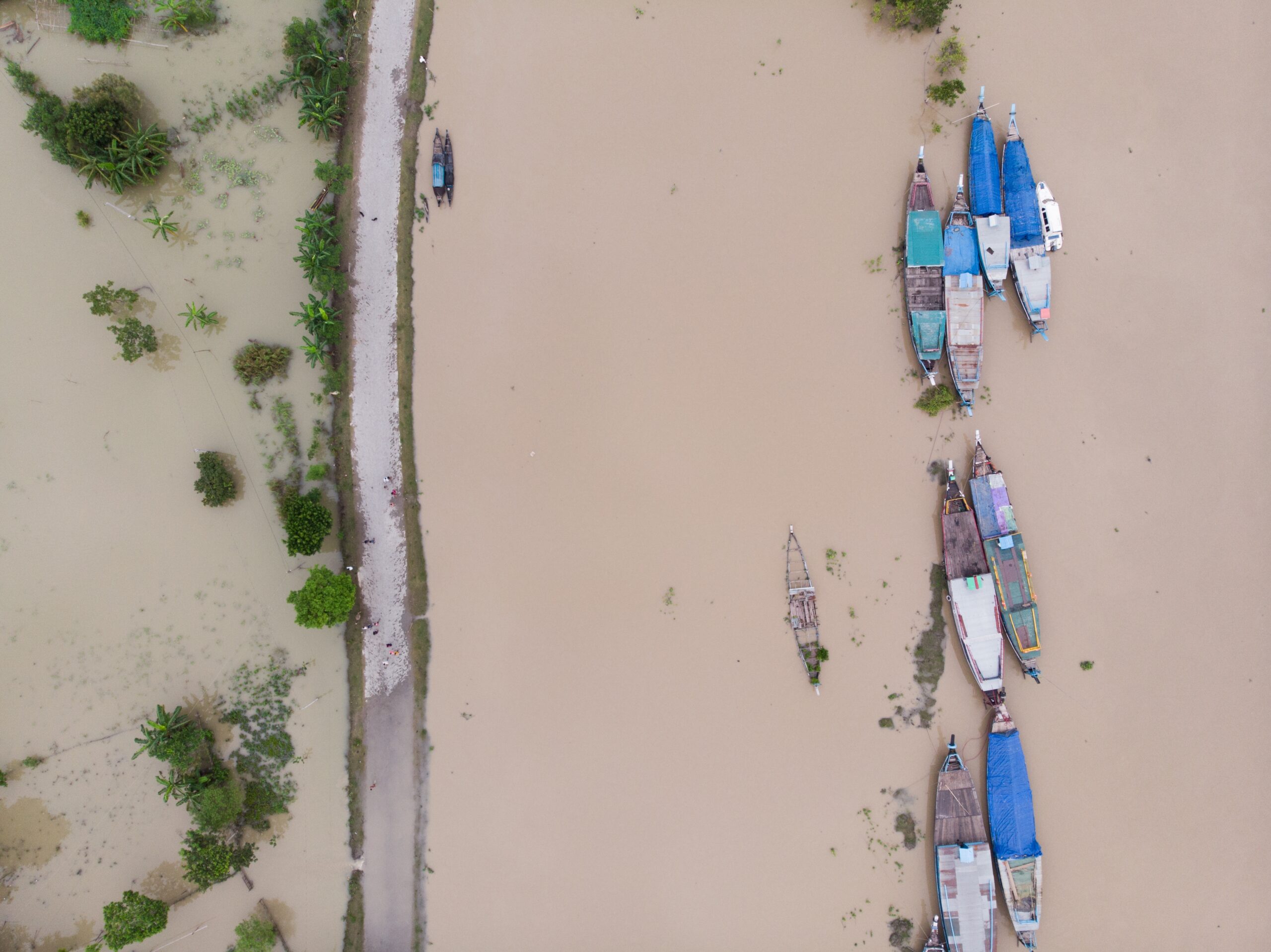
Flood assessment, modelling, mitigation planning, and resilience analysis across surface and groundwater flood sources.
View Solution
Contaminated groundwater treatment, contaminant transport modelling, and regulatory closure.
View Solution
Subsurface investigations and geotechnical intelligence for mining and tunneling.
View Solution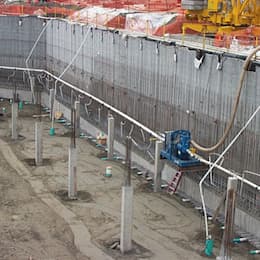
Water intrusion diagnostics for construction, metro rail, and underground structures.
View Solution
Risk assessment covering groundwater, water quality, supply, regulatory, operational, and sustainability exposure.
Current Solution
Integrated planning across water supply, demand, allocation, sustainability, and long-term resource management.
View Solution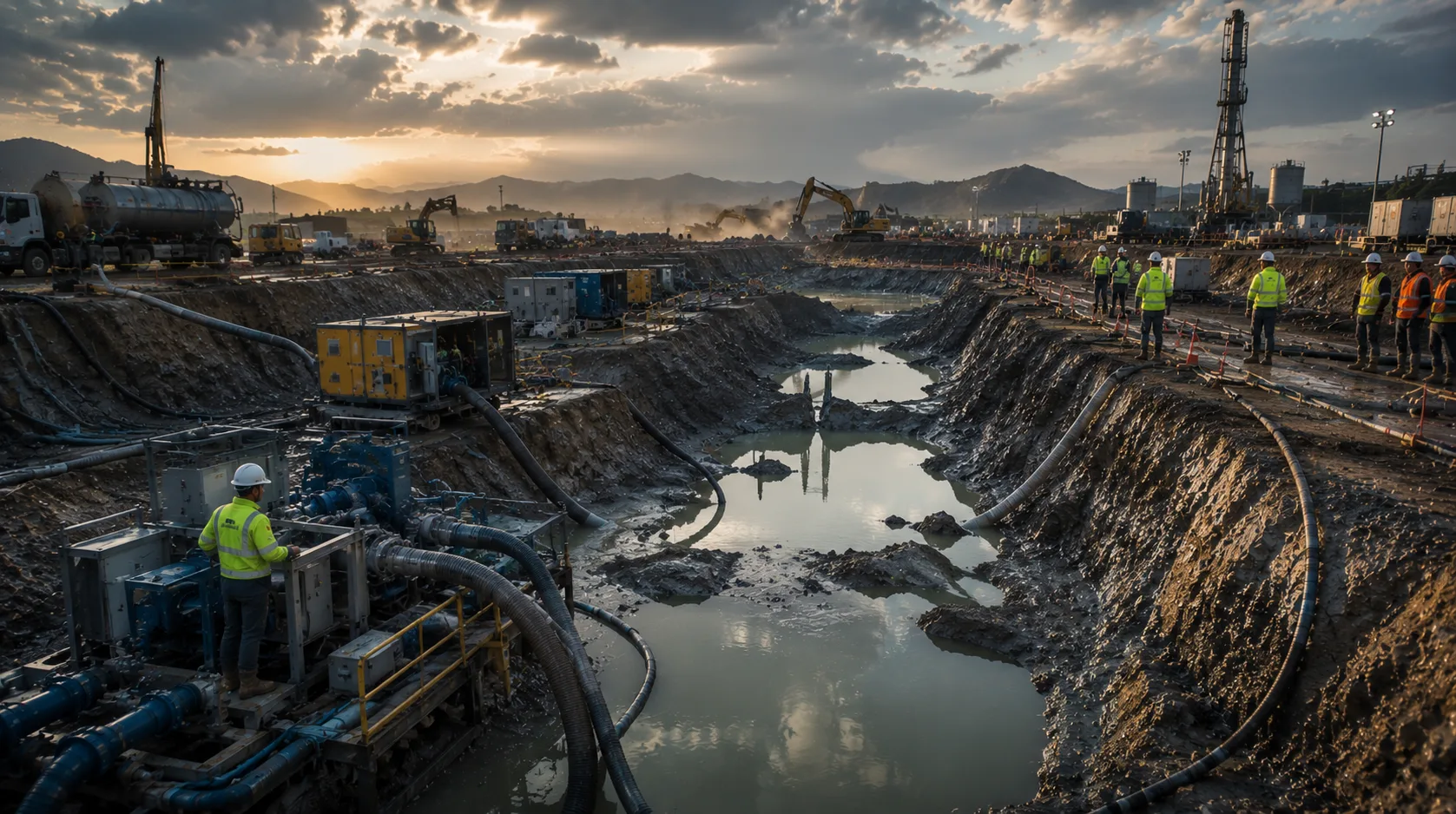
Groundwater control, dewatering assessment, system design, and management for construction, excavation, and mining projects.
View Solution
Contaminated land assessment and soil remediation for brownfield and industrial sites, with documentation supporting safe reuse.
View SolutionShare your project, site, or investment context and our team can review the requirement with the right technical discipline in mind.
Whether the requirement is pre-transaction due diligence, regulatory audit support, ESG water risk disclosure, or operational risk review, the starting point is a structured, evidence-based water risk assessment.