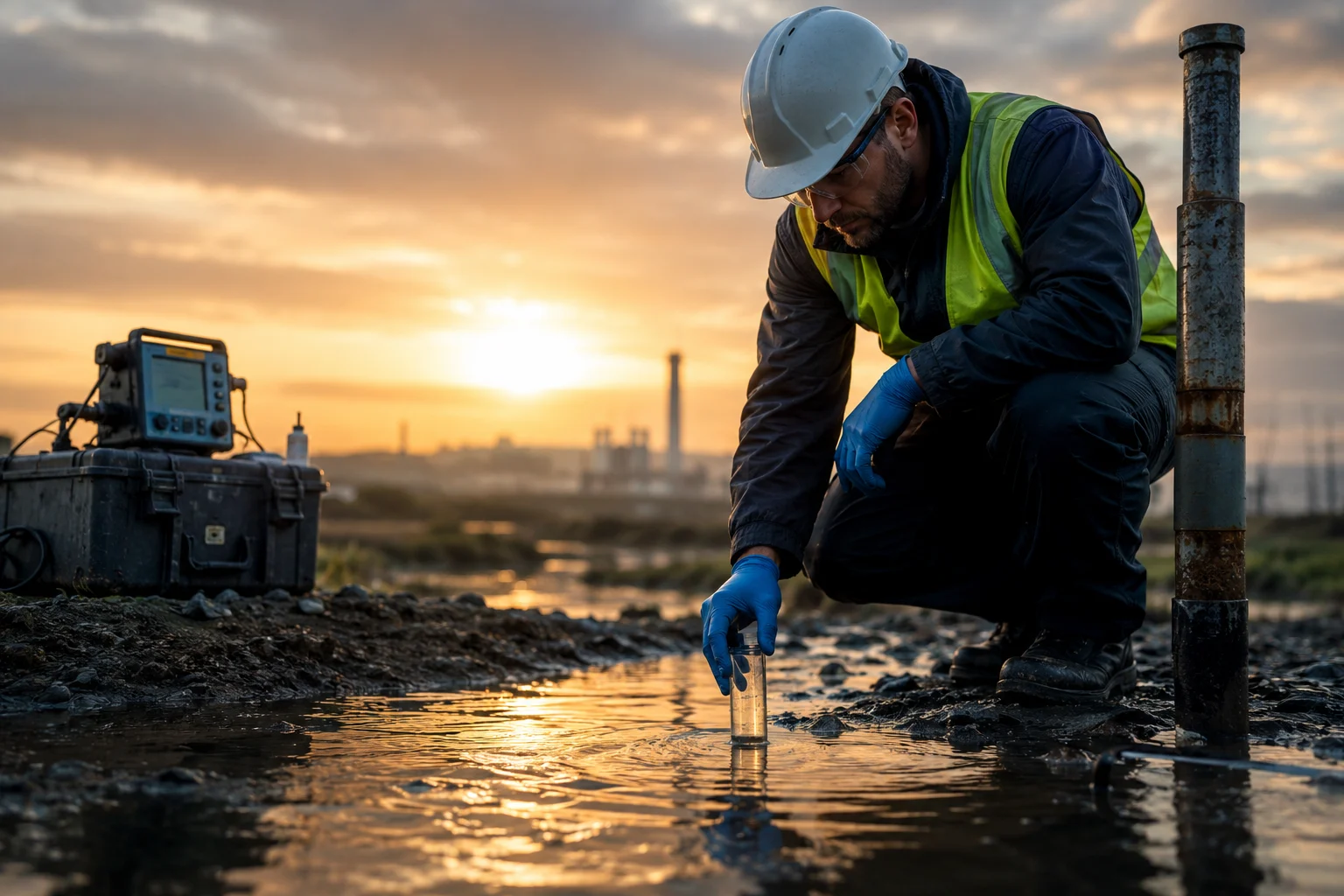
Industrial Contamination
Groundwater impacted by solvents, process chemicals, hydrocarbons, heavy metals, wastewater leakage, and historical industrial operations, including legacy contamination from prior land use.

Groundwater remediation and contaminated aquifer recovery built on hydrogeological expertise, contamination assessment, treatment system design, and analytical intelligence.
Groundwater contamination is rarely a surface-level problem. Once pollutants enter an aquifer, they migrate through groundwater flow paths, affect downstream receptors, increase regulatory exposure, and create long-term environmental liability that compounds with time.
For industries, infrastructure owners, municipalities, mining projects, and real estate developers, groundwater remediation is not only about removing contamination. It is about understanding the source, defining the plume, protecting receptors, selecting the right treatment strategy, and demonstrating recovery through defensible monitoring.
The most common reason remediation programs fail, overrun their cost estimates, or never reach regulatory closure is that treatment was selected before the contamination was properly understood. Technology was specified before the source was confirmed. Treatment objectives were set before the risk picture was complete.
The Groundwater Company approaches groundwater remediation as a site-specific engineering problem. The contamination type, the geology, the hydrogeology, the receptor pathway, the regulatory framework, and the project timeline together determine the strategy. No single technology fits every site.
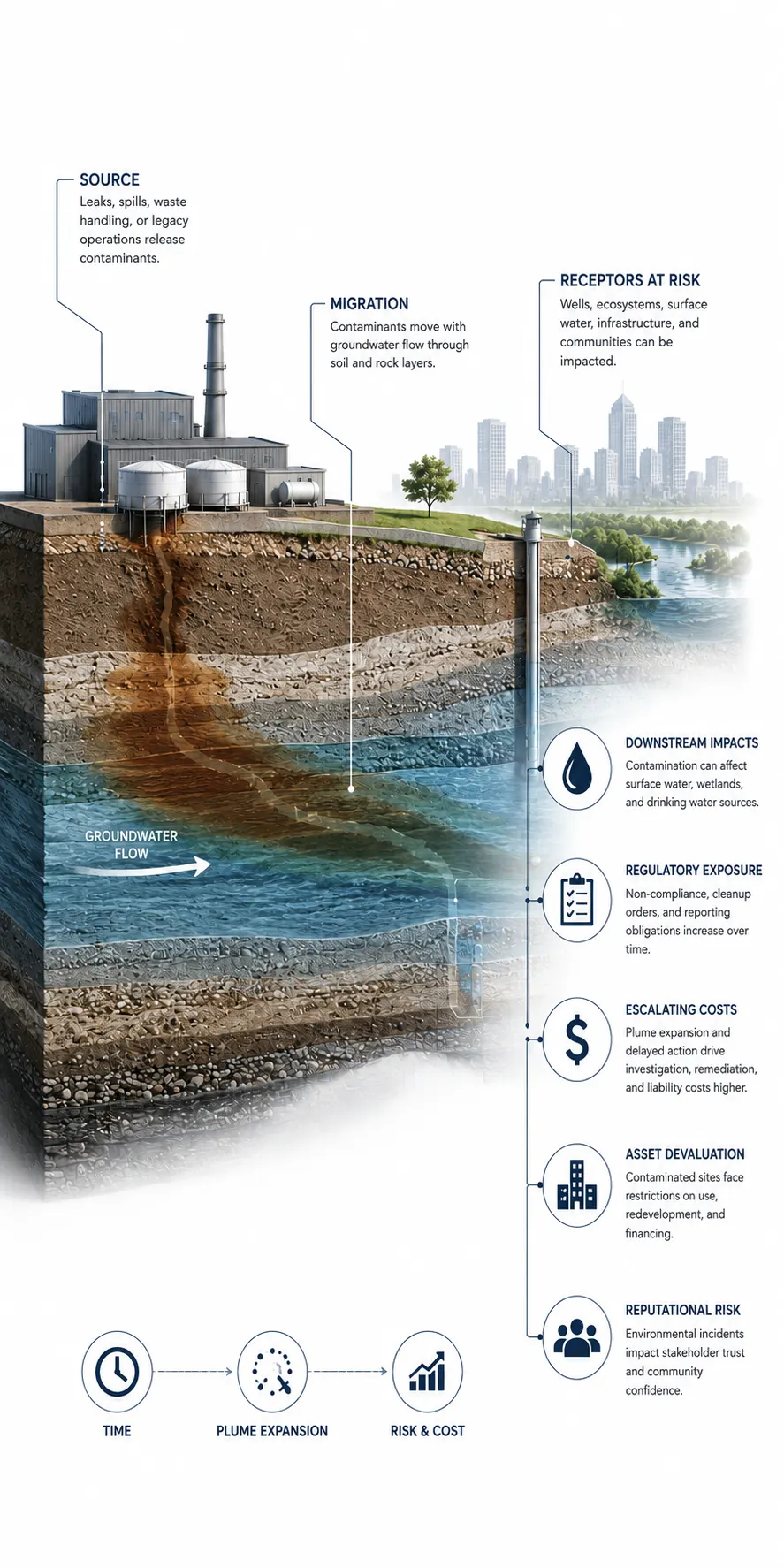
Remediation succeeds only when the contamination, the aquifer, and the receptor pathway are understood together. These are the contamination conditions The Groundwater Company most often helps clients resolve.
Groundwater impacted by solvents, process chemicals, hydrocarbons, heavy metals, wastewater leakage, and historical industrial operations, including legacy contamination from prior land use.
Fuel leaks, underground storage tank failures, pipeline releases, and petroleum handling areas creating dissolved-phase BTEX and TPH contamination in soil and groundwater.
Dissolved-phase contamination from chlorinated solvents, VOCs, degreasers, and industrial process chemicals, including PCE, TCE, DCE, and vinyl chloride daughter products.
Groundwater contamination from landfill leachate, hazardous waste storage, uncontrolled disposal areas, and legacy waste sites with complex mixed contamination profiles.
Sewage leakage, stormwater infiltration, road runoff, construction-phase groundwater impacts, and legacy contamination beneath urban developments and transport corridors.
Groundwater affected by tailings facilities, acid mine drainage, heavy metals, salinity, process water releases, and closure-phase contamination that persists after operations cease.
Groundwater remediation begins with understanding the system. A treatment method selected without hydrogeological context may fail, underperform, or shift risk to a different part of the aquifer.
We review land use history, operational records, spill history, waste handling areas, storage systems, previous investigations, and known or suspected contamination sources before any field work begins.
We assess aquifer conditions, groundwater flow direction, hydraulic gradients, recharge zones, geological controls, and contaminant migration pathways through field-based hydrogeological investigation and data analysis.
We define contamination type, concentration, extent, plume behavior, impacted zones, and potential exposure pathways, building the conceptual site model that underpins the remediation strategy.
We design or review monitoring well networks to support plume delineation, source zone assessment, receptor protection, and remediation performance tracking throughout the program lifecycle.
Our groundwater risk assessment evaluates risks to drinking water sources, ecosystems, surface water bodies, industrial operations, buildings, utilities, and downstream users, setting remediation objectives against this risk baseline.
We assess candidate technologies against contaminant type, aquifer conditions, plume size, site access, treatment objectives, regulatory expectations, and long-term maintainability. Feasibility assessments are presented with documented assumptions and uncertainty ranges.
We develop site-specific remediation strategies, treatment system layouts, monitoring plans, operational controls, and performance evaluation criteria to an engineering and regulatory standard.
We provide technical oversight during remediation execution, including contractor coordination, sampling protocols, treatment verification, and field decision support as conditions are confirmed during installation.
We track contaminant reduction, plume stability, rebound risk, hydraulic response, and treatment efficiency against defined remediation objectives throughout the active phase.
We support regulatory closure documentation, long-term monitoring programs, monitored natural attenuation evaluation, risk management plans, and post-remediation reporting. Long-term groundwater restoration often requires a combination of active remediation, performance monitoring, and risk management sustained over an extended timeframe.
Technology selection is determined by site conditions, contaminant chemistry, and remediation objectives. No single approach applies to every site.
Extraction of contaminated groundwater for above-ground treatment using filtration, air stripping, adsorption, precipitation, ion exchange, or polishing methods. Suited to plume containment, hydraulic control, and sites where ex-situ treatment is appropriate.
Enhancement of natural or introduced microbial processes to degrade or transform contaminants within the subsurface. Applicable to chlorinated solvents, petroleum hydrocarbons, BTEX, and a range of organic compounds where suitable geochemical conditions exist or can be established.
Injection of chemical oxidants to destroy or significantly reduce target contaminants in groundwater and saturated soil zones. Effective for chlorinated solvents, petroleum hydrocarbons, and other oxidizable compounds requiring source zone treatment.
Application of reducing agents to transform selected contaminants, particularly chlorinated solvents, into less mobile or less toxic forms under suitable geochemical conditions. Applied where reductive dechlorination pathways are appropriate for the contaminant and aquifer chemistry.
Subsurface treatment zones designed to intercept contaminated groundwater flow and treat contaminants as the plume passes through the reactive material. Suited to sites with defined plume geometry and stable flow conditions.
Volatilization and extraction of dissolved and residual volatile contaminants from groundwater and the vadose zone. Applied to petroleum hydrocarbons, chlorinated solvents, and other volatile organic compounds with connected soil and groundwater impacts.
A risk-based approach supported by a structured monitoring program that documents the natural reduction of contaminant concentrations through dispersion, dilution, sorption, and biodegradation. Applied where natural processes are demonstrably active, receptors are protected, and regulatory acceptance can be secured.
Groundwater control strategies designed to prevent plume migration, protect receptors, and manage contamination movement while longer-term remediation objectives are pursued.
Groundwater contamination treatment systems selected for specific contaminants, water chemistry, flow rates, discharge requirements, and operational constraints as part of above-ground or in-well treatment configurations.
Many sites require a treatment train rather than a single technology. The Groundwater Company evaluates combined approaches based on source control requirements, dissolved plume treatment, receptor protection needs, and long-term monitoring objectives.
The Groundwater Company does not advocate for a single remediation technology. Every recommendation is made after evaluating the site-specific factors that determine which approach, or combination of approaches, is appropriate, consistent with established groundwater remediation technologies and guidance.
This evaluation process ensures that the remediation strategy is matched to the problem, not to a standard method or available equipment.
Site investigation, sampling, plume delineation, hydrogeological interpretation, and contamination risk evaluation to establish the technical foundation for remediation planning.
Technology screening, options comparison, cost-risk evaluation, implementation constraint assessment, and preferred remediation strategy selection with documented assumptions.
Engineering design for groundwater treatment systems, in situ remediation programs, containment systems, monitoring frameworks, and operational controls.
Assessment of contamination sources, source strength, residual contamination, and ongoing release potential, including DNAPL and LNAPL assessment where relevant.
Mapping of contaminant extent, migration direction, vertical distribution, and risk to downgradient receptors through field investigation and analytical interpretation.
Groundwater contamination assessment and remediation planning for redevelopment, acquisition, industrial reuse, and infrastructure projects where contamination status must be resolved before the project can proceed.
Technical documentation, monitoring reports, remediation action plans, audit support, and authority-facing reporting structured to meet regulatory submission requirements.
Our groundwater recovery solutions include monitoring and management programs for sites requiring multi-year remediation, natural attenuation evaluation, or staged recovery strategies over extended timeframes.
Contaminant class strongly influences remediation strategy, treatment train selection, monitoring design, and closure expectations.
Diesel, gasoline, lubricants, BTEX compounds, and fuel-related contamination from storage, pipeline incidents, and historical petroleum handling.
Industrial solvents, degreasers, chlorinated compounds including PCE, TCE, DCE, and vinyl chloride, and other vapour-forming contaminants with both groundwater and vadose zone components.
Arsenic, lead, chromium, cadmium, mercury, iron, manganese, and other site-specific metals from mining, industrial processing, electroplating, and legacy contamination.
Nitrates, phosphates, pesticides, and fertilizer-related indicators affecting aquifers in agricultural catchments and near intensive land use areas.
Ammonia, chlorides, dissolved metals, elevated organic load, and leachate-associated chemical signatures from waste disposal areas.
Per- and polyfluoroalkyl substances (PFAS) and site-specific contaminants of emerging regulatory concern, assessed based on project requirements and applicable analytical methods.
Many industrial and mining sites present multiple contaminant classes in combination. Our approach addresses mixed contamination through integrated source assessment and phased, technology-appropriate treatment strategies.
Effective contaminated groundwater treatment cannot be separated from a structured monitoring program. The monitoring program does three things that treatment alone cannot: it confirms whether the system is working, it detects rebound or unexpected behavior early, and it generates the evidence base that supports regulatory closure.
The Groundwater Company designs groundwater monitoring programs in parallel with remediation systems, not as afterthoughts. This integration ensures that:
For long-running remediation programs, monitoring data is analyzed for trends, anomalies, and performance trajectories using the same analytical intelligence framework applied across The Groundwater Company's monitoring practice.
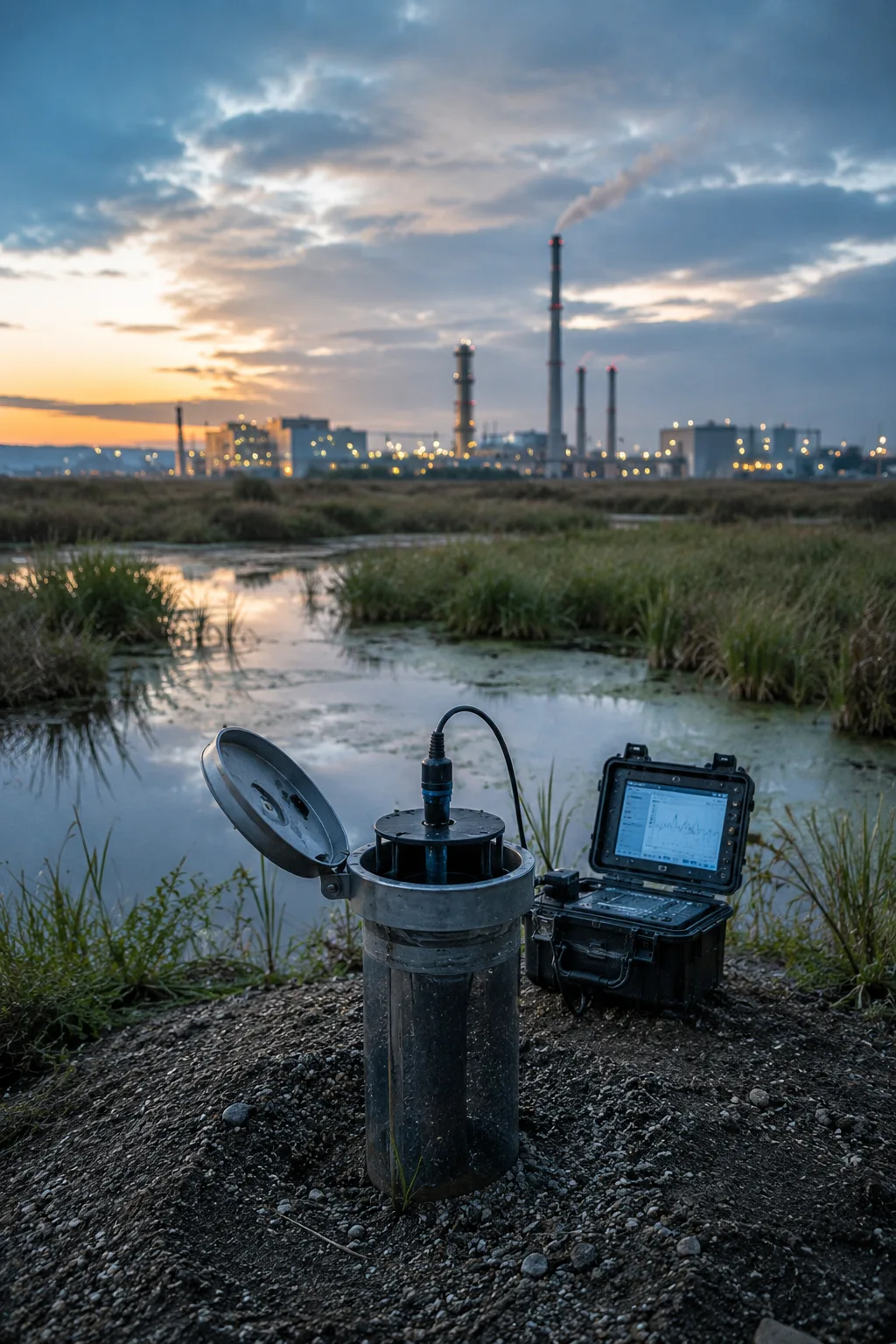

Groundwater remediation generates complex datasets across time, depth, spatial extent, contaminant chemistry, and treatment performance. Reporting laboratory numbers alone is not sufficient for making remediation decisions with confidence.
Contaminant source behavior analysis distinguishes ongoing release from residual dissolved-phase contamination.
Migration direction and rate assessment informs receptor protection and treatment placement decisions.
Trend analysis identifies zones of increasing or decreasing contamination that static sampling results mask.
Observed treatment performance is compared over time against design predictions and remediation objectives.
Potential rebound is evaluated following treatment phases or system modifications before risk is allowed to re-emerge.
Analytical review identifies spatial or temporal coverage deficiencies that limit confident remediation decisions.
Exposure risk is assessed across current and projected plume behavior using hydrogeological and geospatial interpretation.
Every analytical output is reviewed by an experienced hydrogeologist or environmental engineer before it informs a client recommendation, regulatory submission, or remediation system adjustment. Where modeling is applied, results are presented with documented assumptions and uncertainty ranges, not as fixed predictions of aquifer behavior.
Organizations engage The Groundwater Company for groundwater remediation across a range of contamination types, industries, and project stages:
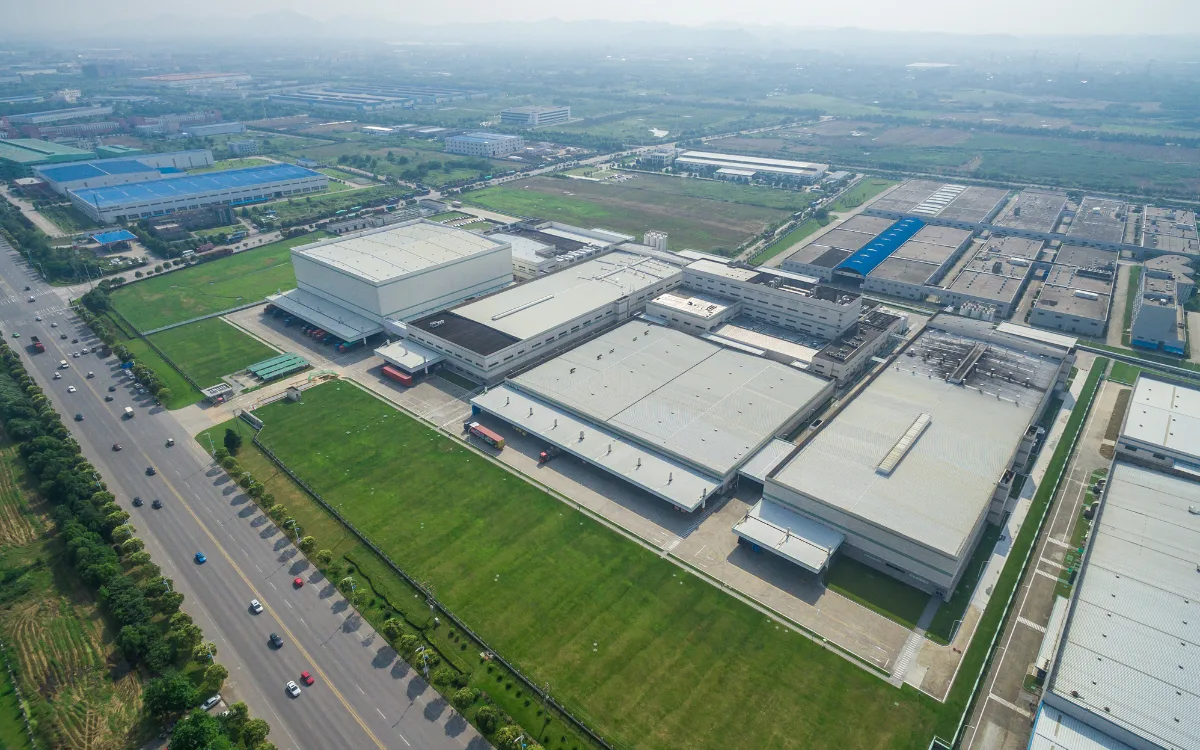
Groundwater remediation for operational sites, legacy contamination, chemical handling areas, and compliance-driven groundwater cleanup programs.
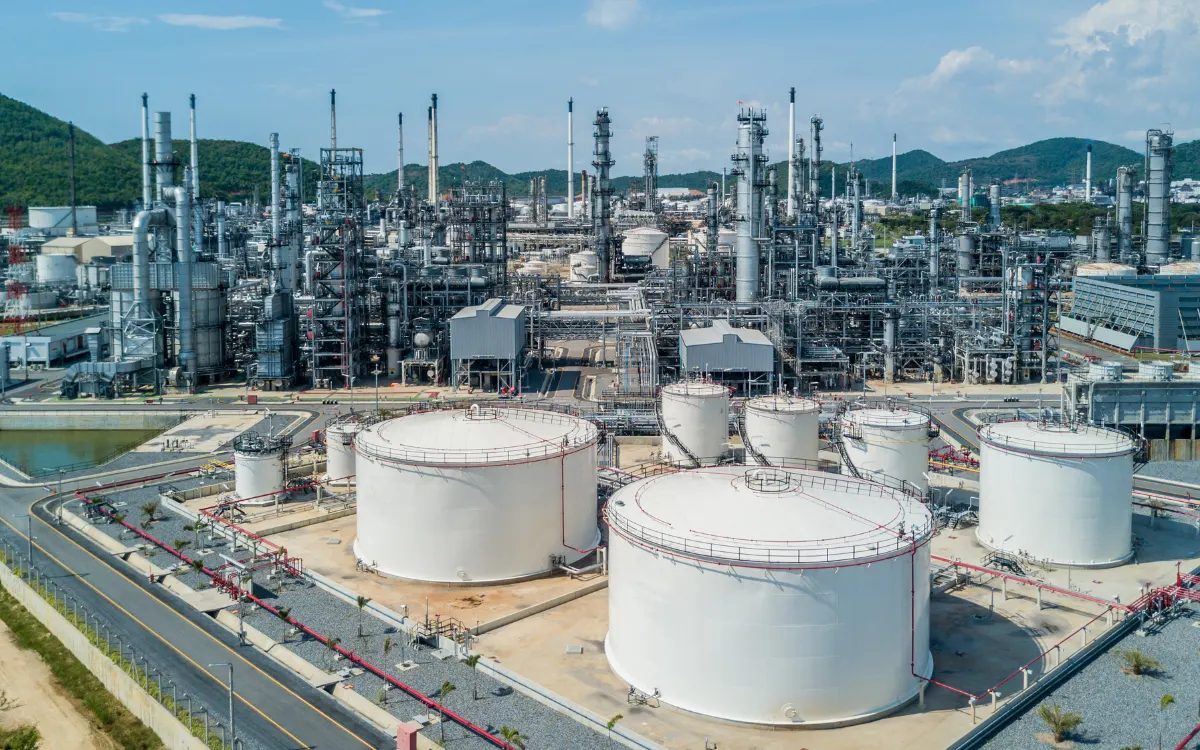
Assessment and contaminated groundwater treatment for fuel releases, storage terminals, pipeline corridors, and petroleum hydrocarbon contamination requiring both plume control and source treatment.
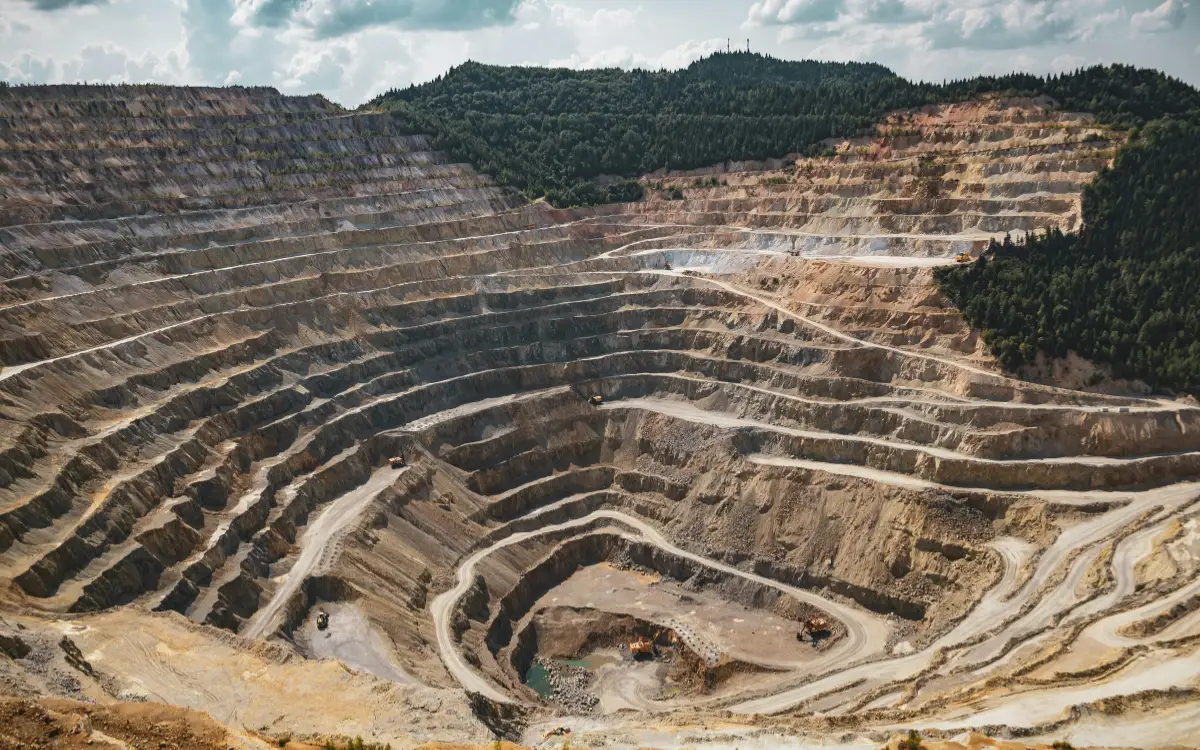
Groundwater contamination assessment, heavy metal plume remediation, tailings-related impact management, closure planning, and long-term aquifer recovery programs.

Groundwater remediation for power plant sites, fuel storage areas, cooling water systems, and legacy energy infrastructure contamination.

Remediation planning for airports, rail corridors, ports, highways, depots, and large public infrastructure assets with contamination liabilities.

Groundwater recovery programs for public contaminated land, landfill impact management, water source protection zones, and municipal asset remediation.
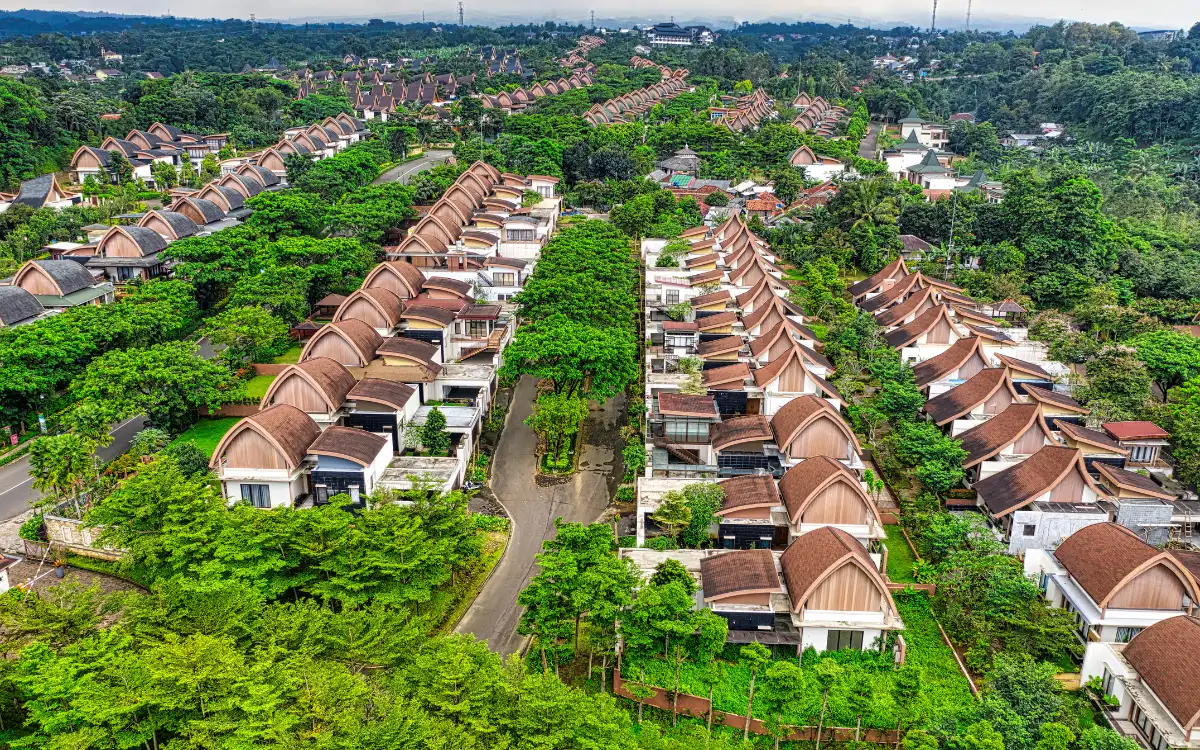
Contamination assessment and aquifer remediation planning before acquisition, redevelopment, construction, or site reuse where contamination status determines project viability.
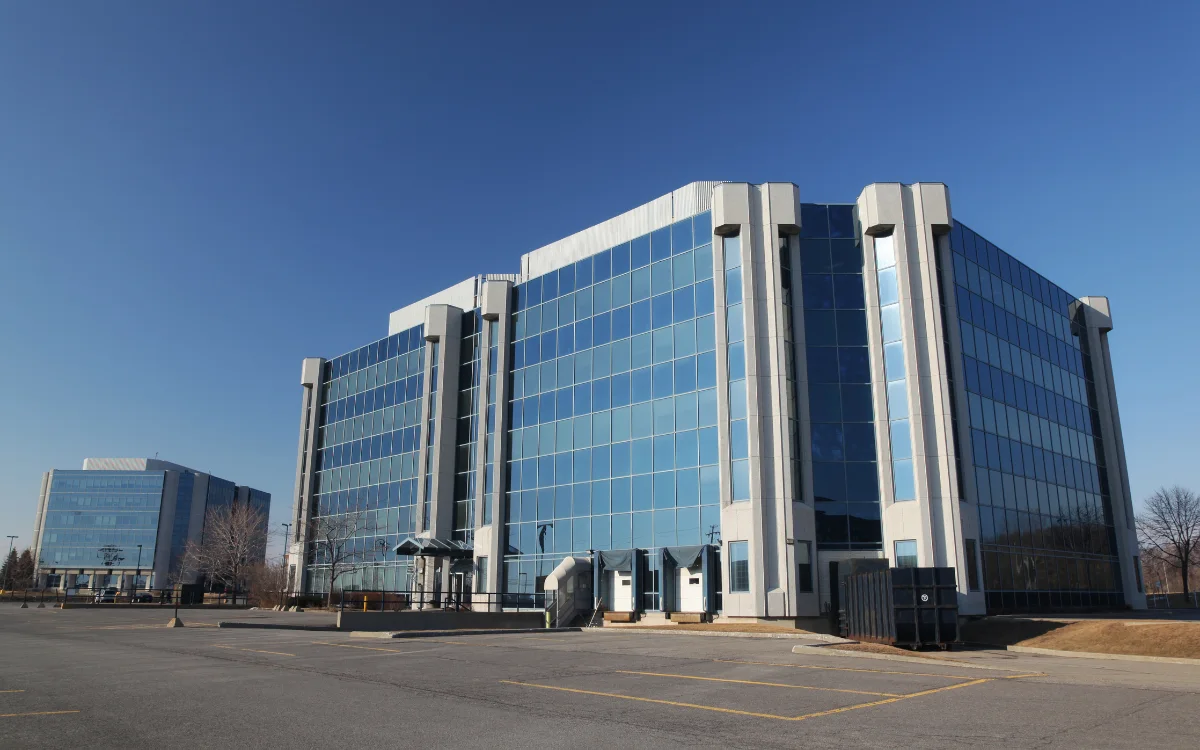
Groundwater risk assessment and remediation support for facilities where site history, water security, and environmental liability affect operational and sustainability decisions.

We do not recommend remediation methods before understanding site hydrogeology, contamination behavior, and receptor risk. The conceptual site model precedes technology selection.
Every remediation strategy is selected based on contaminant chemistry, aquifer properties, plume behavior, site access, timeline, and regulatory objectives, not on equipment availability or a standard method.
We assess the full contamination pathway from source area to impacted aquifer zones and downstream receptors, because treating the plume without addressing the source rarely achieves lasting results.
A remediation system is only demonstrably successful when performance data confirms risk reduction over time. Monitoring and remediation are designed together, not independently.
Sampling protocols, laboratory analysis, chain of custody, QA/QC documentation, and report structure are built to meet regulatory scrutiny from the outset.
Where suitable, we consider lower-impact remediation strategies, treatment optimization, monitored natural attenuation evidence, and long-term resource protection alongside active treatment.
Aquifer recovery often takes years. The Groundwater Company delivers groundwater restoration services structured for continuity, review, and optimization rather than one-time delivery.
This breadth of discipline ensures that environmental remediation decisions are technically grounded in site-specific evidence, not applied from a generic contamination template.
Groundwater remediation programs at The Groundwater Company are delivered through a multidisciplinary approach combining:
We take remediation programs from initial contamination assessment through technology selection, design, implementation support, performance monitoring, and verified closure. Supporting groundwater cleanup programs from investigation through regulatory closure is the full scope of what we deliver.
We address petroleum hydrocarbons, chlorinated solvents, heavy metals, emerging contaminants including PFAS, and mixed contamination scenarios using established and emerging remediation technologies based on site evidence.
Our aquifer remediation services are built on understanding groundwater flow, contaminant transport and geological controls. This hydrogeological foundation supports treatment selection, aquifer restoration and long-term groundwater recovery.
Our ground water monitoring and remediation programs are designed together. Monitoring data informs remediation decisions throughout the program, not just at milestones.
Our remediation documentation is structured for regulatory review, permit applications, and site closure submissions, reducing the risk of submissions being challenged on technical grounds.
We structure engagements for continuity across investigation, design, implementation, and closure, with the same team managing the program from start to verified completion.
Each solution produces auditable data and decision-ready outputs.
Aquifer studies, hydrogeological investigations, and long-term management strategies.
View Solution
Artificial recharge systems and replenishment programs with measurable yield tracking.
View Solution
Groundwater quality assessment, contamination monitoring, hydrochemical analysis, and long-term trend intelligence.
View Solution
Flood assessment, modelling, mitigation planning, and resilience analysis across surface and groundwater flood sources.
View Solution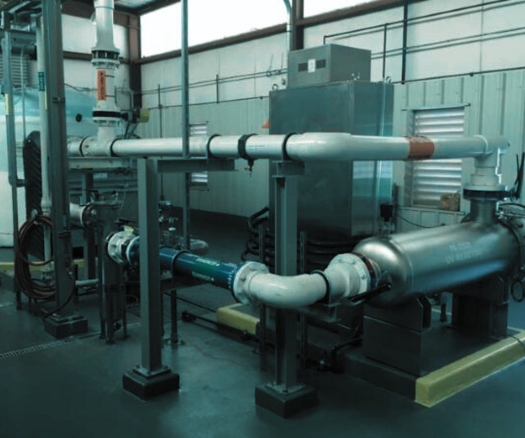
Contaminated groundwater treatment, contaminant transport modelling, and regulatory closure.
Current Solution
Subsurface investigations and geotechnical intelligence for mining and tunneling.
View Solution
Water intrusion diagnostics for construction, metro rail, and underground structures.
View Solution
Risk assessment covering groundwater, water quality, supply, regulatory, operational, and sustainability exposure.
View Solution
Integrated planning across water supply, demand, allocation, sustainability, and long-term resource management.
View Solution
Groundwater control, dewatering assessment, system design, and management for construction, excavation, and mining projects.
View Solution
Contaminated land assessment and soil remediation for brownfield and industrial sites, with documentation supporting safe reuse.
View SolutionWhether the challenge involves industrial contamination, petroleum hydrocarbons, landfill leachate, heavy metals, chlorinated solvents, or complex legacy site liability, the starting point is a technical understanding of the groundwater system.
Groundwater remediation is not a one-time treatment activity. It requires investigation, interpretation, technology selection, monitoring, optimization, and long-term accountability. Groundwater contamination does not resolve itself by waiting, and treatment applied without a clear understanding of the site rarely achieves lasting results.
Whether the challenge involves industrial contamination, petroleum hydrocarbons, landfill leachate, heavy metals, chlorinated solvents, or complex legacy site liability, the starting point is a technical understanding of the groundwater system. For organizations requiring a groundwater remediation consultant, The Groundwater Company provides technical support from contamination assessment and aquifer remediation through treatment design, performance monitoring and long-term recovery.