
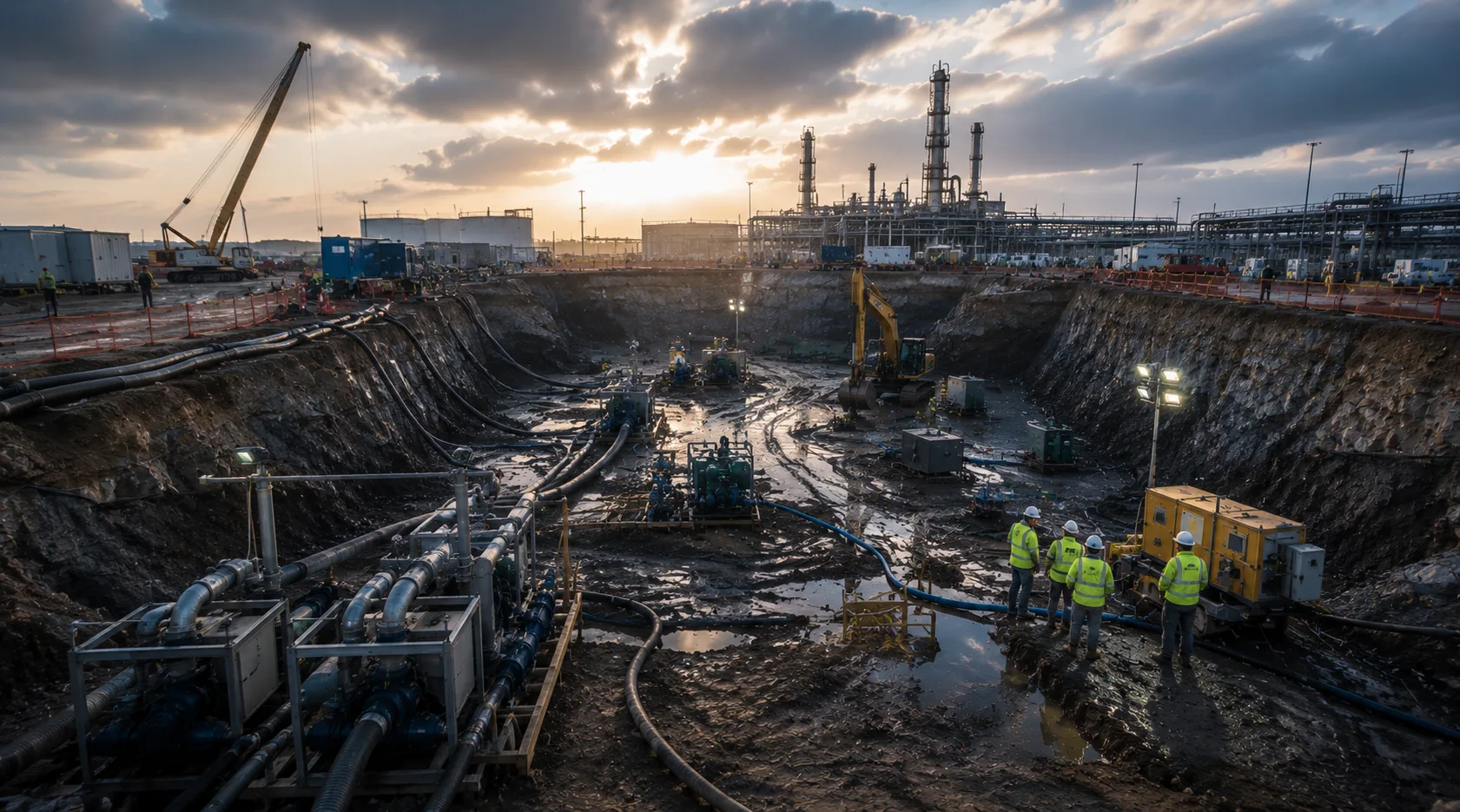
We assess aquifer type, groundwater levels, permeability, and water table behavior through field investigation and data review before any system is specified.
Groundwater Dewatering Services & Geo Dredging Solutions
The Groundwater Company provides groundwater dewatering services for construction, excavation, mining, tunneling, and industrial projects. Our site dewatering solutions combine hydrogeological assessment, dewatering system design, equipment specification, and technical management to control groundwater and reduce project risks.
When Dewatering Is More Than a Pumping Problem
Every excavation, every shaft, every below-grade structure, every open pit, and every dredging program encounters groundwater at some point. The question is never simply whether water will need to be managed. The question is whether the system designed to manage it is matched to the actual subsurface conditions it will encounter.
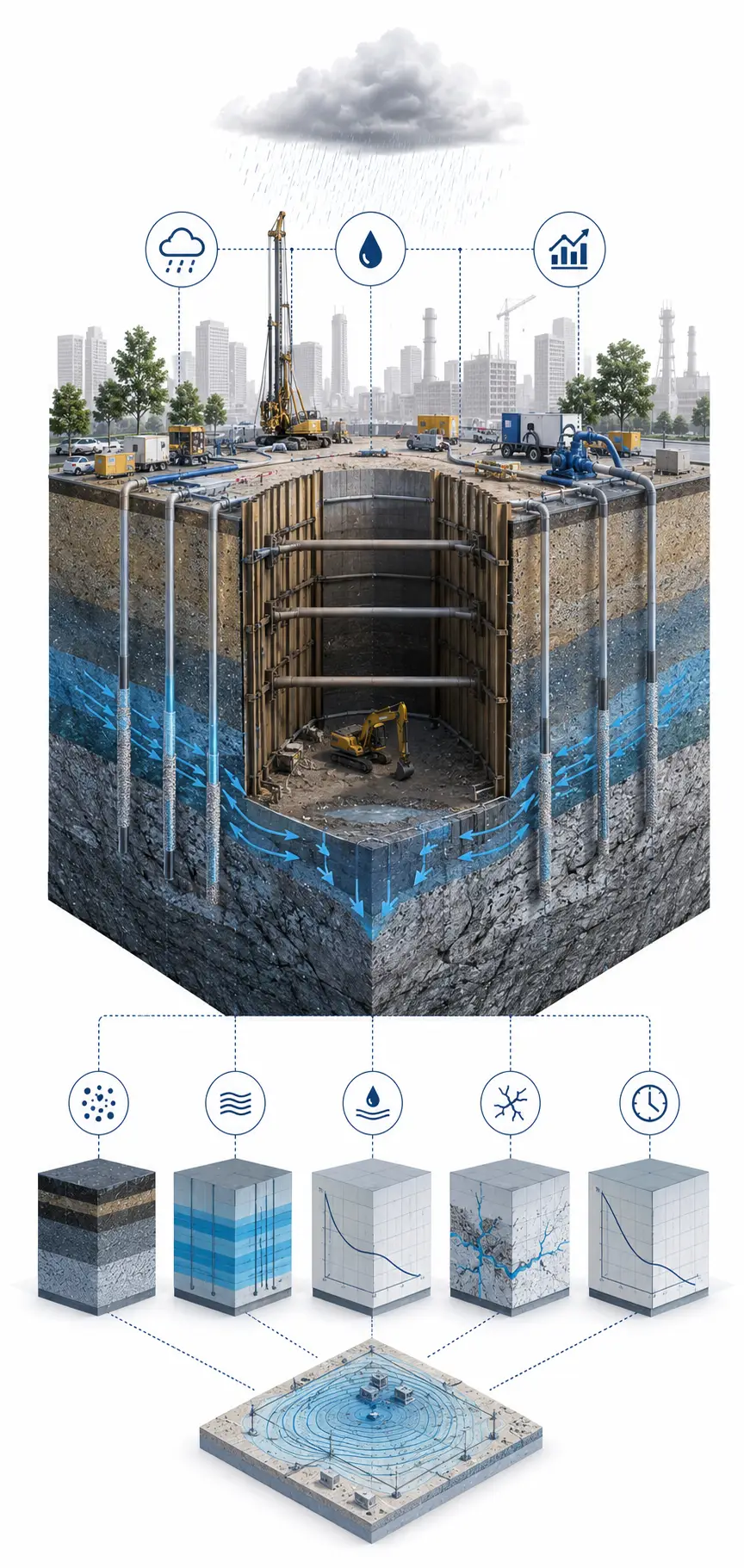
Dewatering is a hydrogeological engineering problem before it is a mechanical one. Aquifer type, groundwater pressure, permeability distribution, seasonal water table behavior, and the connection between groundwater and surface water determine how a system must be designed, what flow rates it must handle, and what the consequences of inadequate capacity will be.
Organizations commission The Groundwater Company's dewatering solutions when they need a system designed to work, not a pump specification derived from assumption.
Why Dewatering Programs Fail
Dewatering failures are expensive. They stop excavations, flood works, damage adjacent structures, breach environmental discharge conditions, and create legal exposure. The failure modes are consistent and largely preventable.
The Hydrogeological Assessment Was Skipped
Systems specified from desk assumptions rather than subsurface investigation regularly encounter unexpected aquifer pressures, connected water bodies, and permeable strata that overwhelm what looked adequate on paper.
Groundwater Connectivity Was Not Assessed
Dewatering without understanding aquifer connectivity to nearby rivers, shared water supplies, or adjacent infrastructure can produce excessive inflow, unacceptable drawdown, and settlement impacts.
Discharge, Settlement, and Material Handling Were Underestimated
Groundwater quality monitoring, discharge consents, settlement risk in compressible ground, and dewatered material classification all create failure points when they are not assessed before operation begins.
Decommissioning Was Not Planned from the Start
Systems designed only to start, and not to finish, create problems at handover through uncontrolled aquifer recovery, inadequate monitoring, and undefined closure criteria.
Our Dewatering Assessment and System Design Framework
Every dewatering program follows a structured sequence that starts with hydrogeology and carries through system design, operation, monitoring, and controlled closure.
We analyze flow direction, hydraulic gradients, and pressure conditions to determine inflow rates, connectivity risks, and aquifer response to dewatering.
We define the target drawdown, required rate, duration, surrounding sensitivities, and discharge constraints the system must satisfy.
We design the dewatering system to confirmed hydrogeological conditions, specifying pump type, capacity, wellpoint or deep well configuration, standby provision, and treatment needs.
We prepare abstraction licence, environmental permit, and discharge consent documentation including flow-rate justification and water-quality assessment.
We oversee installation and commissioning, verifying that the built system matches design intent and that field conditions confirm the assessment.
We manage operation through monitoring drawdown, discharge compliance, and system efficiency, adjusting performance as field conditions are confirmed.
We monitor groundwater levels, discharge quality, and potential impacts on adjacent water users, structures, and ecosystems throughout the dewatering period.
We manage controlled decommissioning, monitor aquifer recovery against defined criteria, and produce closure documentation confirming program completion.
Geo Dredging and Dewatering Solutions
Geo dredging and dewatering address the removal of accumulated sediment, contaminated material, or process residue from water bodies while managing the water and material produced. We assess the material before equipment is specified so the dredging method, dewatering technology, and disposal pathway are matched to sediment volume, geotechnical properties, contamination status, and water content.
Where Geo Dredging and Dewatering Apply
- Reservoir and impoundment desilting to restore storage capacity and operational function
- Industrial lagoon and settling pond clearance where accumulated solids affect treatment performance
- Contaminated sediment removal from water bodies, drainage channels, and industrial sumps
- Mine tailings and process residue management requiring volume reduction and disposal classification
- Water body restoration programs combining sediment removal with water quality improvement
- Drainage infrastructure clearance where accumulated sediment affects hydraulic capacity
Groundwater Dewatering Services and
Capabilities
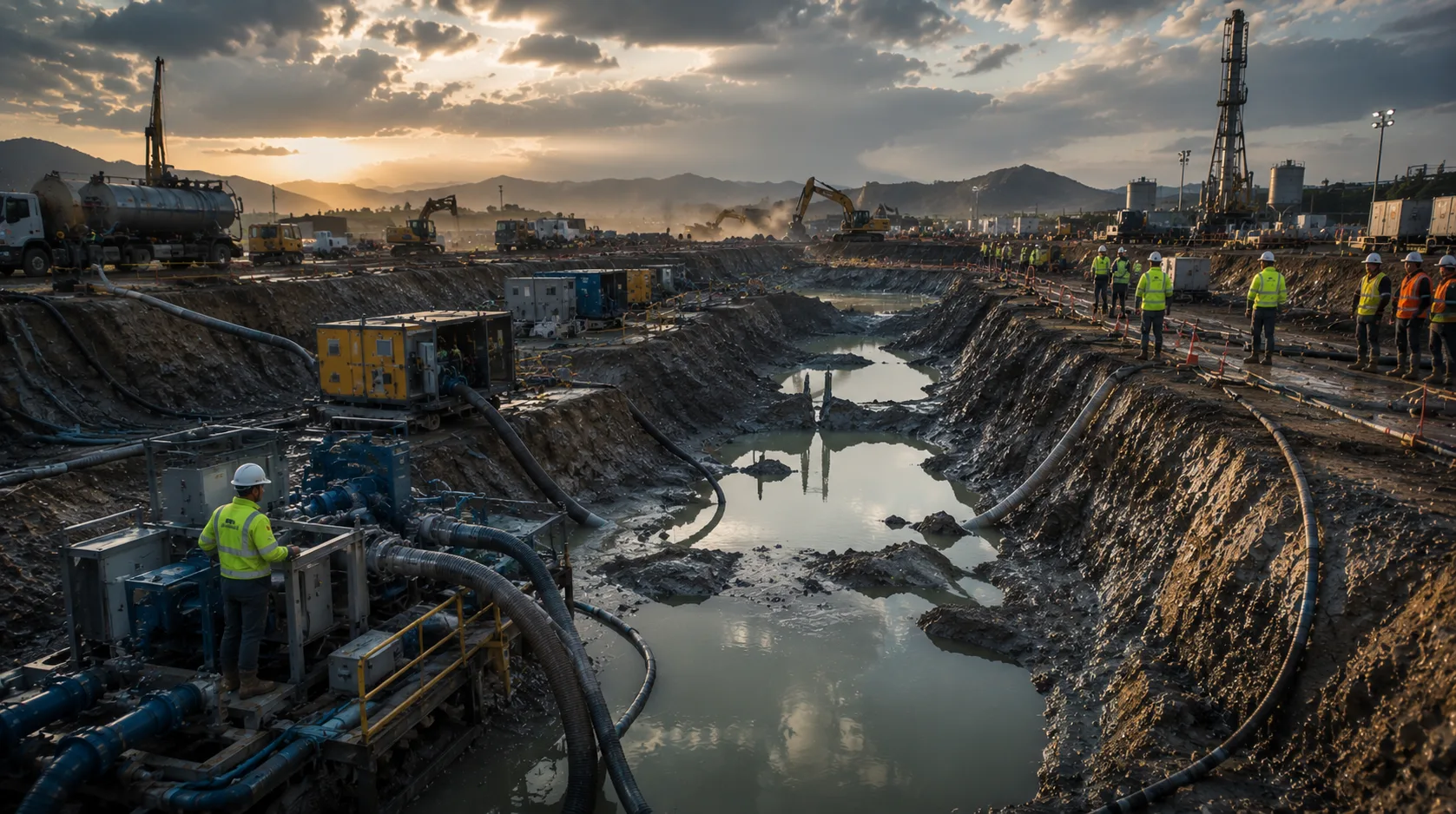
The Groundwater Company supports dewatering across construction, mining, tunneling, industrial groundwater control, geo dredging, sludge handling, risk review, discharge compliance, and third-party audit.
Construction Dewatering Services and System Design
Construction and excavation dewatering services covering groundwater assessment, dewatering system design, and technical management for basements, deep excavations, foundations, and civil engineering projects requiring controlled groundwater conditions.
Mine Dewatering Services
Mine dewatering services for open pit and underground mining, shaft sinking, and long-term groundwater management, supported by hydrogeological assessment and dewatering system design.
Tunnel and Shaft Dewatering Services
Groundwater control for tunneling, shaft construction, pre-drainage programs, face stabilization, and construction-phase water management.
Geo Dredging Services and Sediment Dewatering
Geo dredging services and sediment dewatering solutions for reservoirs, ponds, lagoons, settling basins, and industrial water bodies, supported by sediment assessment and appropriate material handling planning.
Sediment and Sludge Dewatering
Dewatering of dredged sediment, industrial sludge, and process residues to reduce volume, improve handleability, and meet disposal classification requirements.
Industrial and Site Dewatering Solutions
Dewatering and contaminated groundwater extraction programs requiring treatment before discharge.
Dewatering Risk Assessment and Permit Support
Assessment of settlement, connectivity, discharge volume, and consent compliance risk alongside licence and permit preparation.
Dewatering System Audit and Technical Review
Independent technical review of existing system performance, compliance status, and optimization potential where programs are underperforming.
Analytical Intelligence in Dewatering
Dewatering programs generate continuous operational data that reveals whether the system is performing as designed or drifting toward a problem. The Groundwater Company applies hydrogeological modeling and analytical intelligence to improve both design quality and operational decision making.
Modeling Before and During Operation
Groundwater flow modeling estimates inflow rates, drawdown extent, and aquifer response before design is finalized, while settlement risk modeling evaluates the potential for ground movement under water table lowering.
Published research provides additional technical context for predicting groundwater behavior during excavation dewatering. See the research on groundwater flow during excavation dewatering.
Prediction, Monitoring, and Recovery
Water risk assessment informs discharge volume and quality prediction for consent applications and treatment sizing, while real-time performance monitoring compares actual drawdown against design, and aquifer recovery modeling supports decommissioning planning.
Sectors We Support
Construction and Civil Engineering
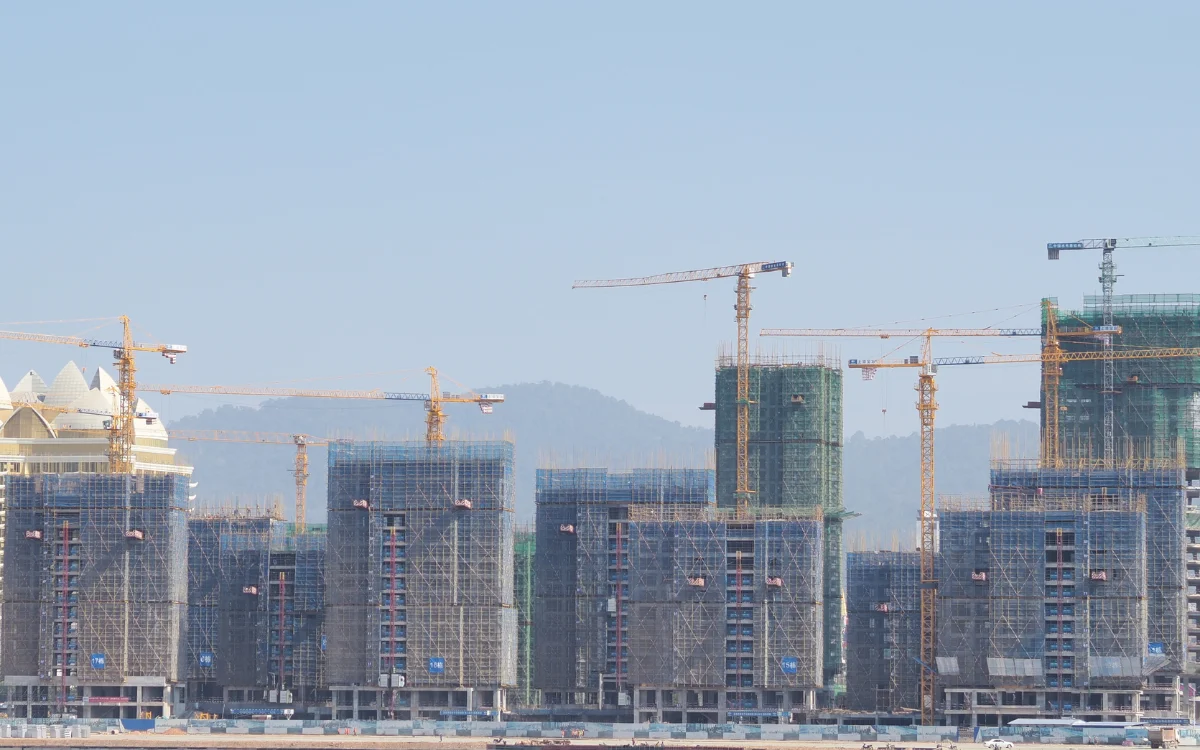
Dewatering design and management for deep excavations, basement construction, foundation works, and civil infrastructure requiring groundwater control.
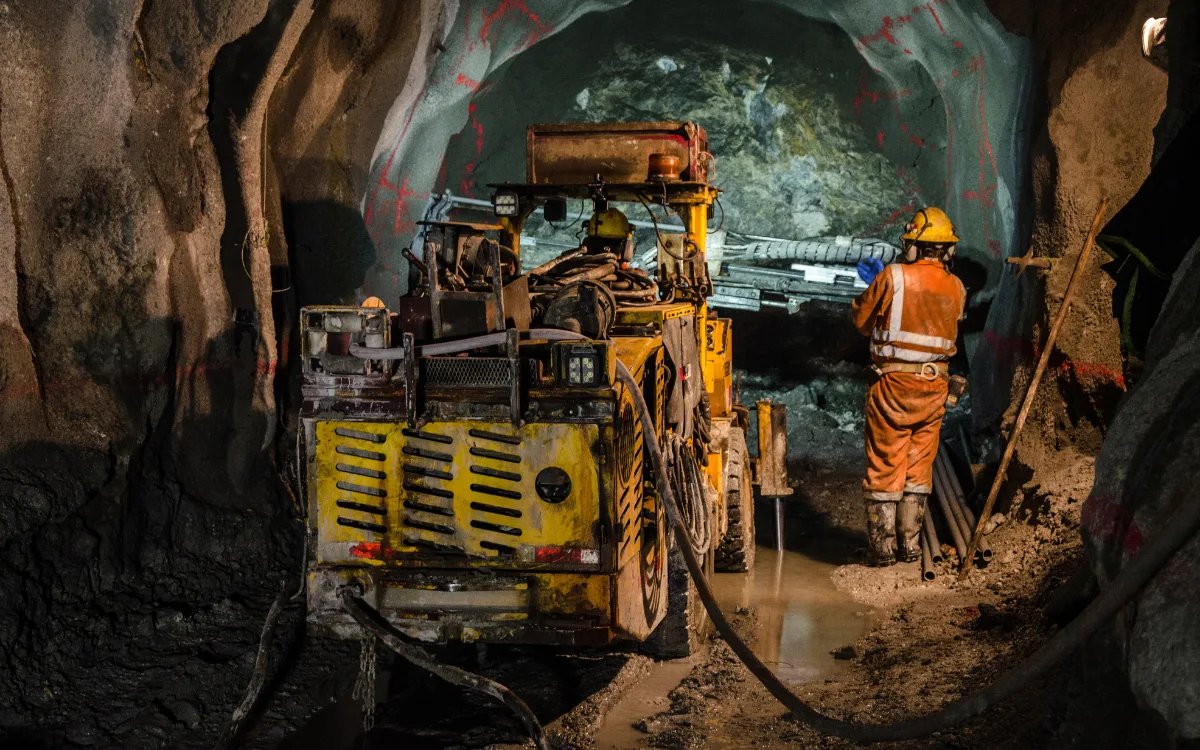
Mining and Resources
High-volume dewatering for open pit and underground mine operations, shaft sinking, and long-term mine-water management.
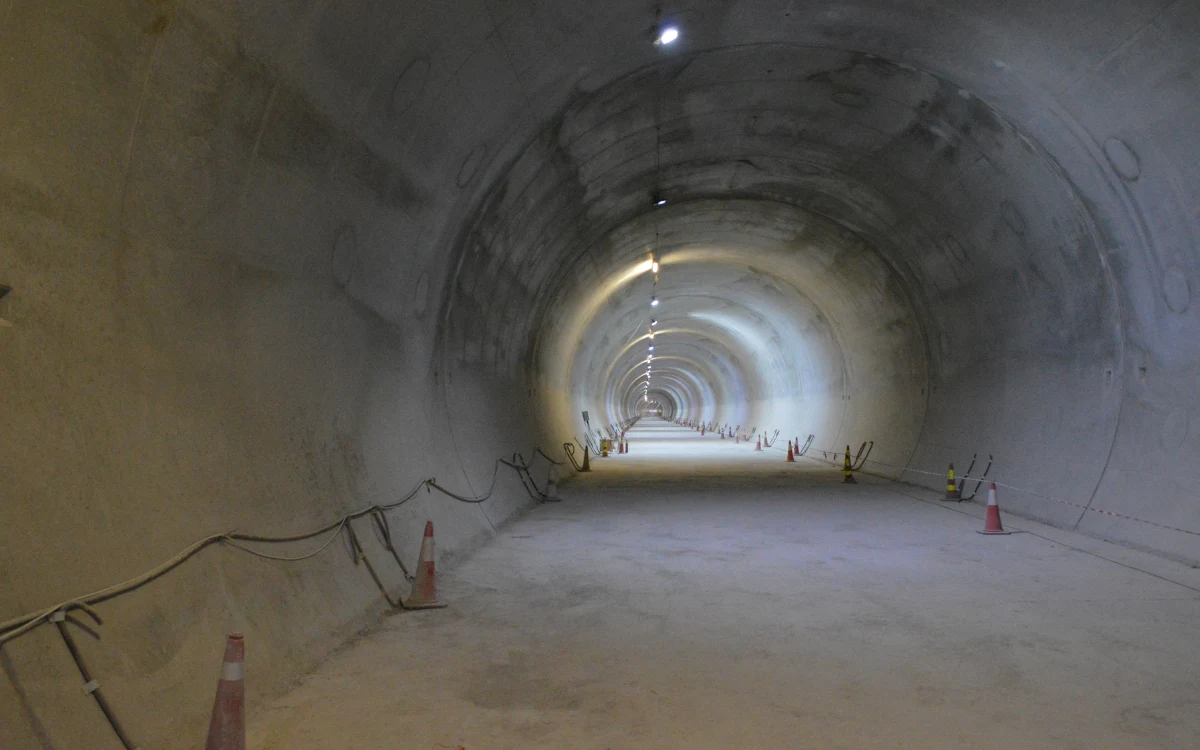
Tunneling and Underground Infrastructure
Groundwater control for tunnel construction, metro projects, utility tunnels, and underground civil works.
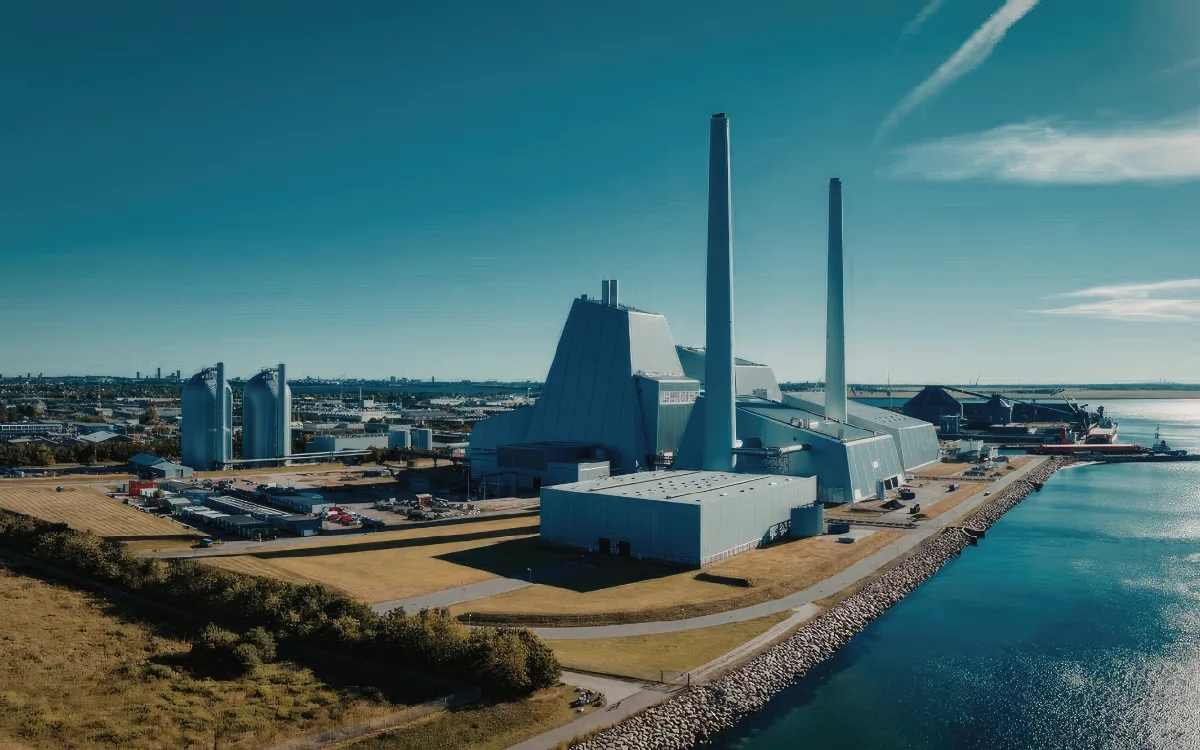
Industrial and Manufacturing
Dewatering programs for industrial facilities, process-water management, contaminated groundwater extraction, and lagoon clearance.
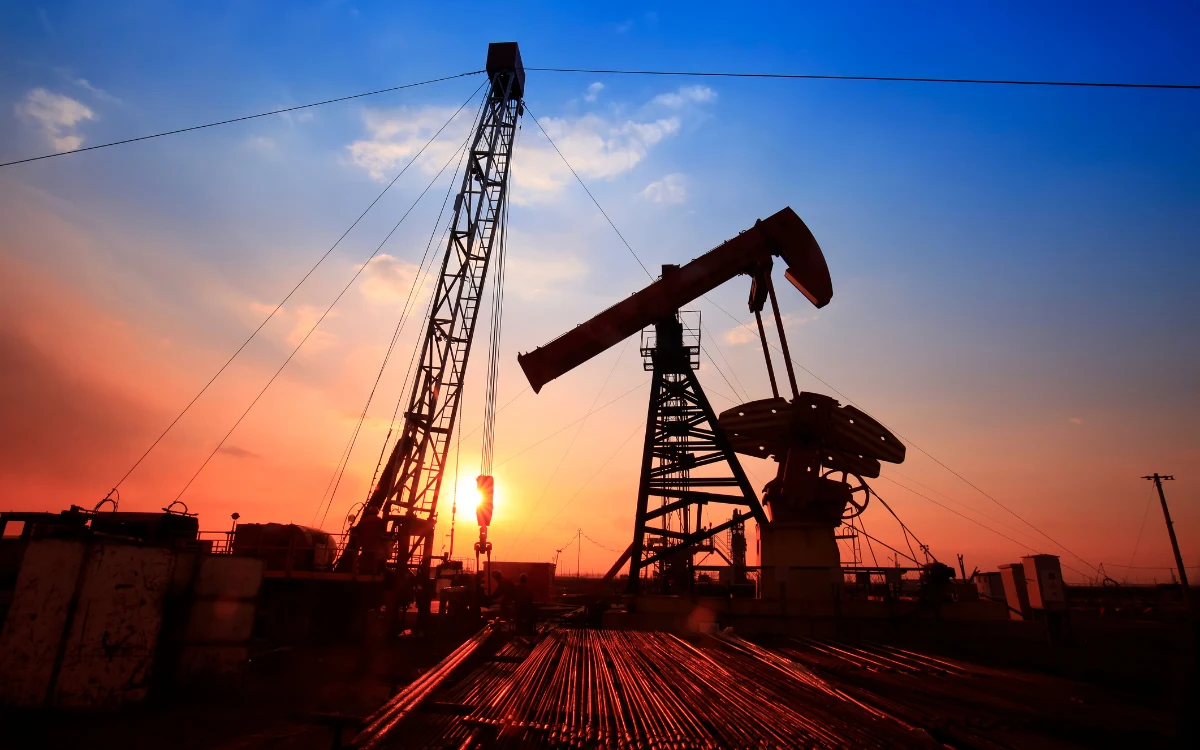
Energy and Utilities
Dewatering support for power plant construction, underground utility installation, substations, and energy infrastructure in groundwater-sensitive locations.

Government and Municipal Authorities
Dewatering and geo dredging for public infrastructure, reservoir management, drainage systems, and municipal water body restoration.
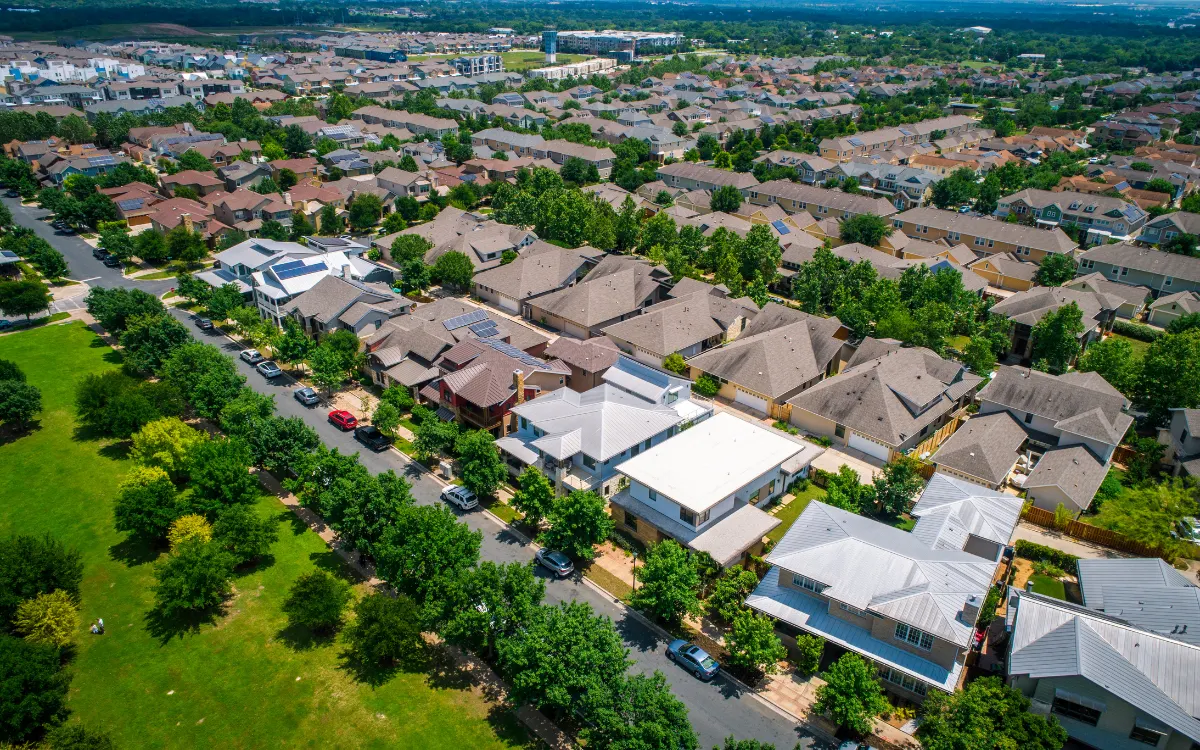
Real Estate and Large Developments
Construction dewatering for large-footprint developments, mixed-use schemes, and below-grade works in urban groundwater environments.
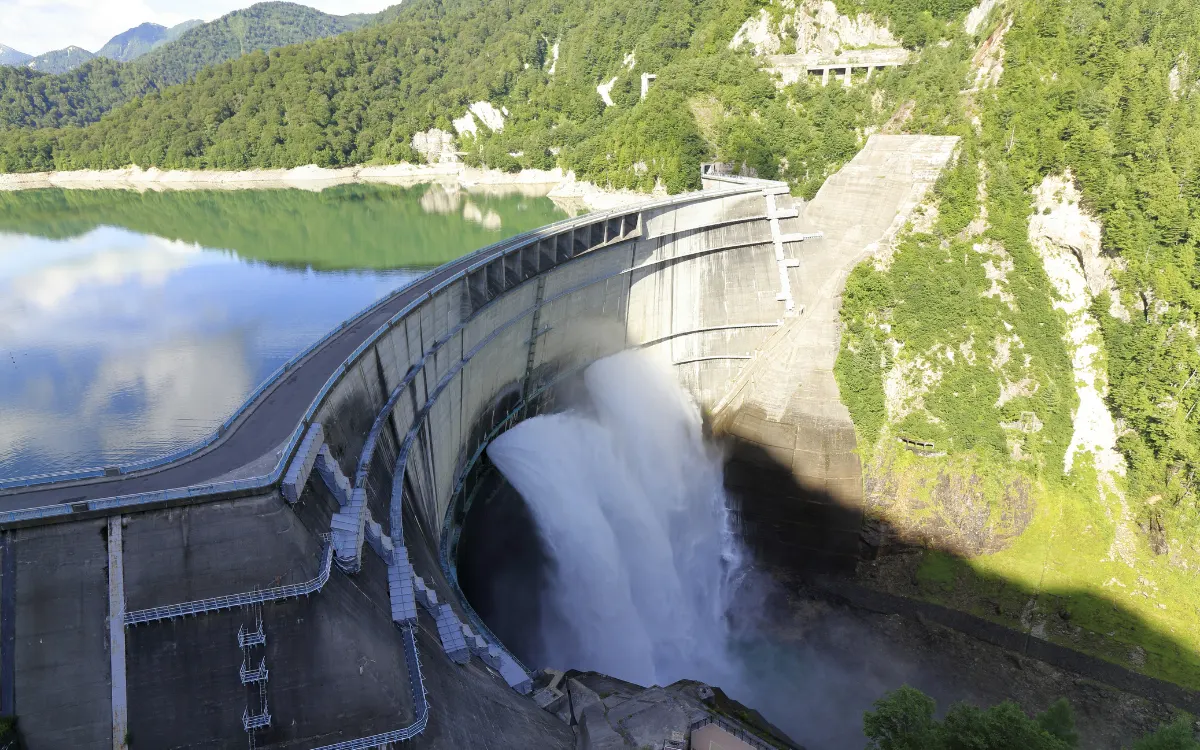
Dams and Reservoirs
Geo dredging and dewatering for reservoir desilting, dam foundation dewatering, and impoundment management programs.
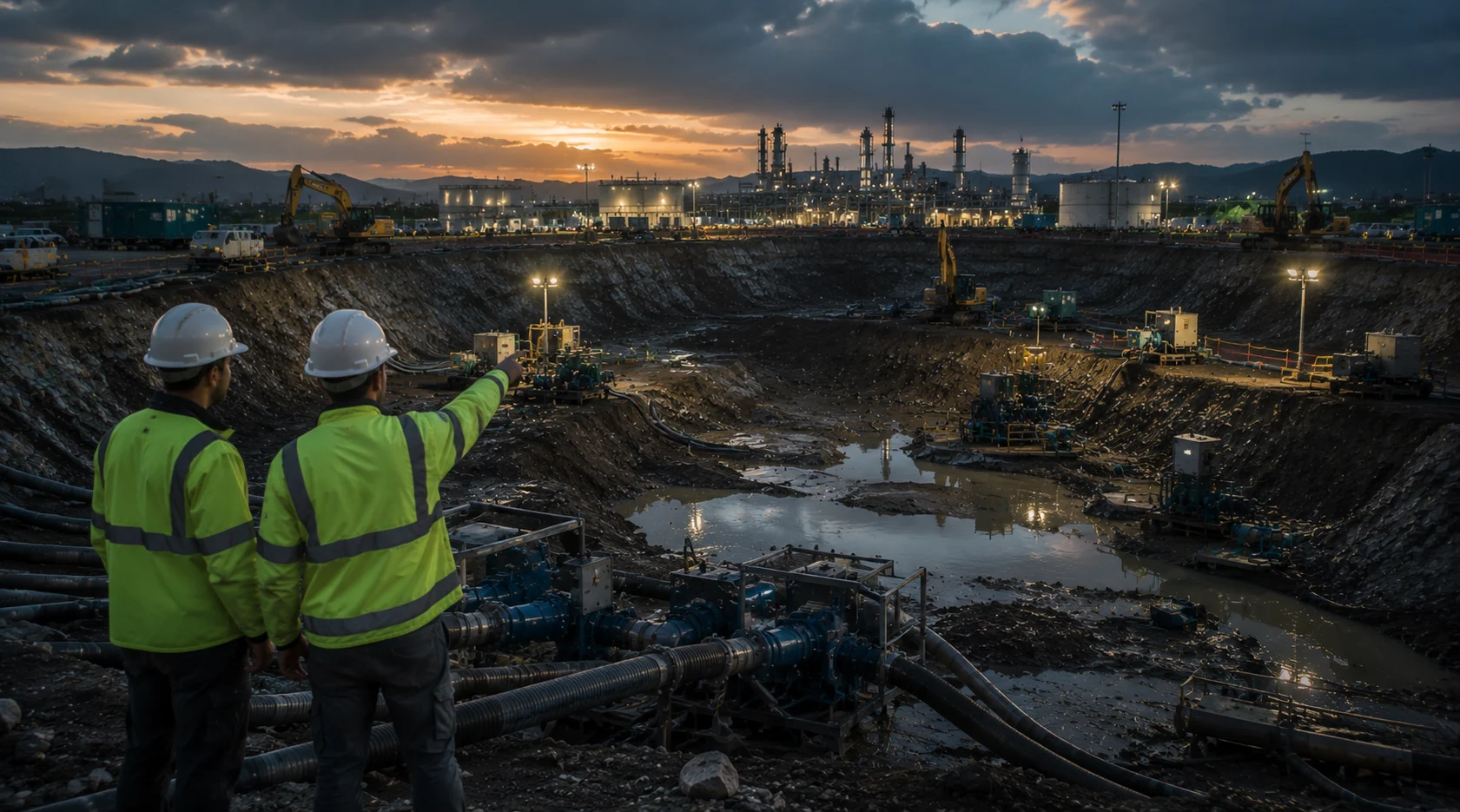
Why Organizations Choose The Groundwater Company for Dewatering
Hydrogeological Assessment Before Specification
We do not specify dewatering equipment before we understand the aquifer, because design without hydrogeological assessment is the most common cause of failure.
Full-Service Delivery
We design, specify, oversee commissioning, manage operation, and decommission dewatering systems through the same technical team.
Geo Dredging and Dewatering Integration
Our programs address material removal and water management as one connected process rather than as separate scopes.
Regulatory and Consent Expertise
We prepare abstraction licences, environmental permits, and discharge consents with the technical depth regulators require.
Settlement and Third-Party Impact Assessment
We assess risk to adjacent structures and water users before dewatering begins, integrating monitoring into the design rather than reacting after problems emerge.
Environmental Compliance Management
Our monitoring programs track discharge quality and groundwater drawdown through operation, generating the evidence permit conditions require.
Controlled Decommissioning
We plan decommissioning from the design stage so aquifer recovery is managed, monitored, and documented to the standard required for closure.
Decision-Ready Reporting
We translate hydrogeological findings into outputs usable by contractors, designers, operators, regulators, and owners.
Technical Disciplines Behind Our Dewatering Programs
Dewatering solutions and geo dredging programs at The Groundwater Company are delivered through hydrogeology, geotechnical engineering, environmental engineering, hydraulic engineering, GIS and geospatial analysis, water quality assessment, groundwater modelling, environmental monitoring, regulatory documentation, and sediment and material characterization.
Typical Dewatering and Excavation Projects
- Deep basement and underground car park excavation dewatering in urban environments
- Open pit mine dewatering for large-scale resource extraction programs
- Tunnel boring machine operations requiring controlled groundwater ingress management
- Shaft sinking dewatering for mining and infrastructure projects
- Industrial lagoon and settling pond clearance using geo dredging and dewatering
- Reservoir desilting programs restoring storage capacity and operational performance
- Contaminated groundwater extraction combined with above-ground treatment
- Construction dewatering risk assessment for contractor procurement and project planning
- Dewatering system audit for programs with underperforming or non-compliant operation
The Groundwater Company Groundwater
Intelligence Solutions
Each solution produces auditable data and decision-ready outputs.
Groundwater Consulting
Aquifer studies, hydrogeological investigations, and long-term management strategies.
Explore Groundwater Consulting
Recharge & Aquifer Sustainability
Artificial recharge systems and replenishment programs with measurable yield tracking.
Explore Groundwater Recharge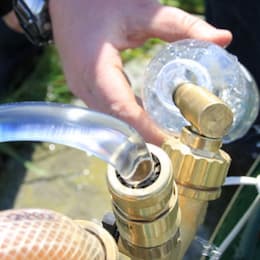
Groundwater Quality Monitoring
Groundwater quality assessment, contamination monitoring, hydrochemical analysis, and long-term trend intelligence.
Explore Groundwater Quality Monitoring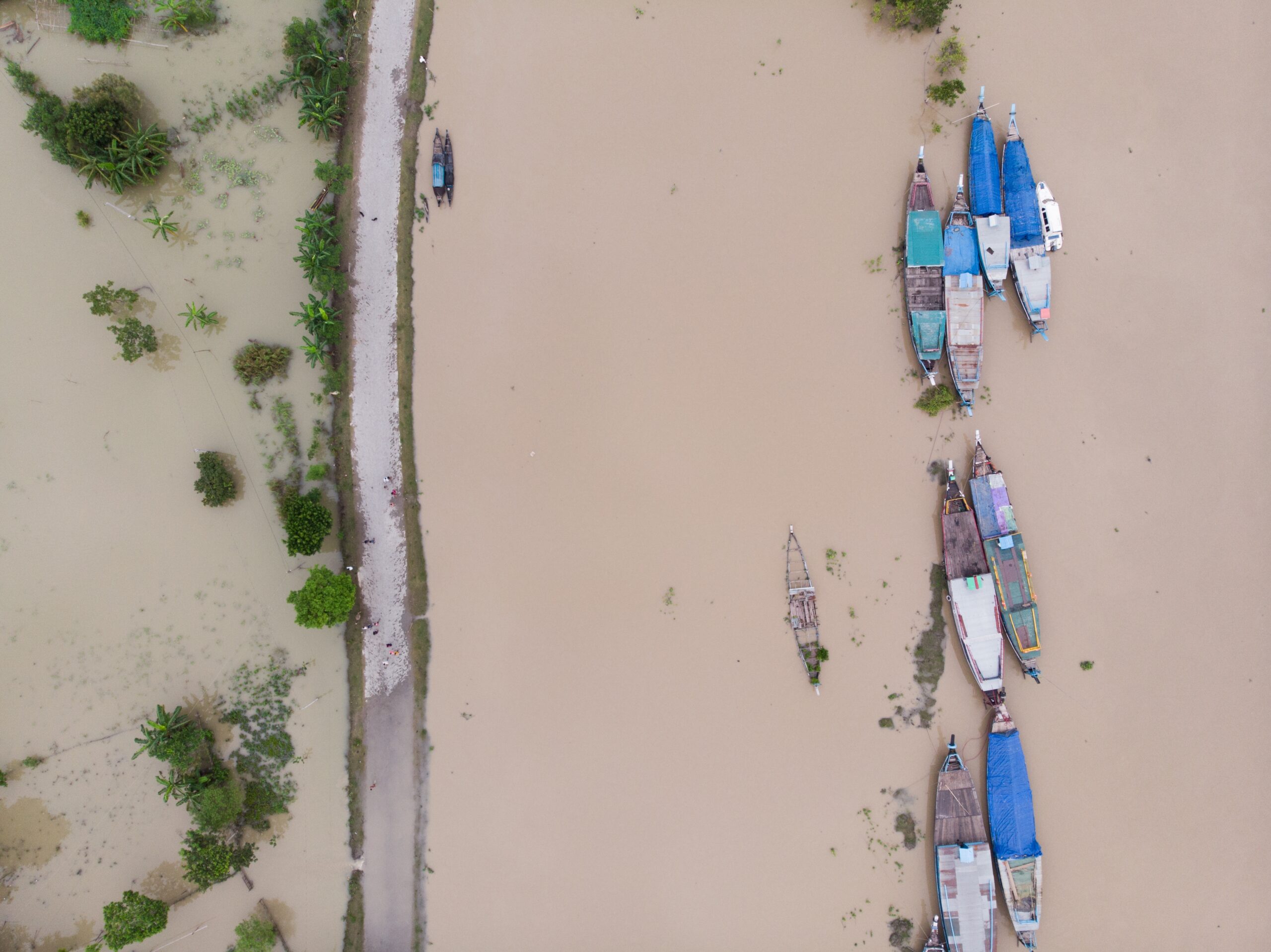
Flood Risk & Resilience
Flood assessment, modelling, mitigation planning, and resilience analysis across surface and groundwater flood sources.
Explore Flooding Solutions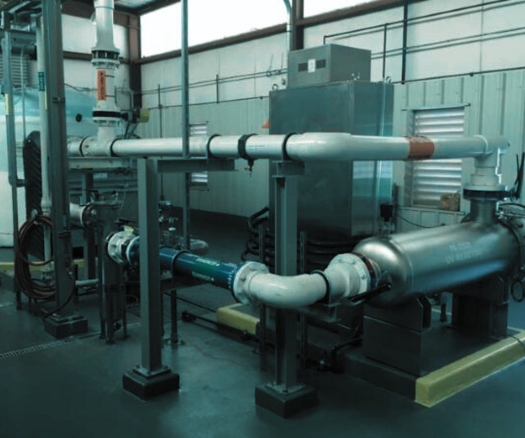
Groundwater Remediation & Recovery
Contaminated groundwater treatment, contaminant transport modelling, and regulatory closure.
Explore Groundwater Remediation
Rock & Geological Mapping
Subsurface investigations and geotechnical intelligence for mining and tunneling.
Explore Rock Mapping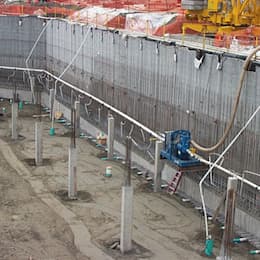
Groundwater Seepage Investigation
Water intrusion diagnostics for construction, metro rail, and underground structures.
Explore Groundwater Seepage Investigation
Water Risk Assessment
Risk assessment covering groundwater, water quality, supply, regulatory, operational, and sustainability exposure.
Explore Water Risk Assessment
Integrated Water Resource Management
Integrated planning across water supply, demand, allocation, sustainability, and long-term resource management.
Explore Integrated Water Resource Management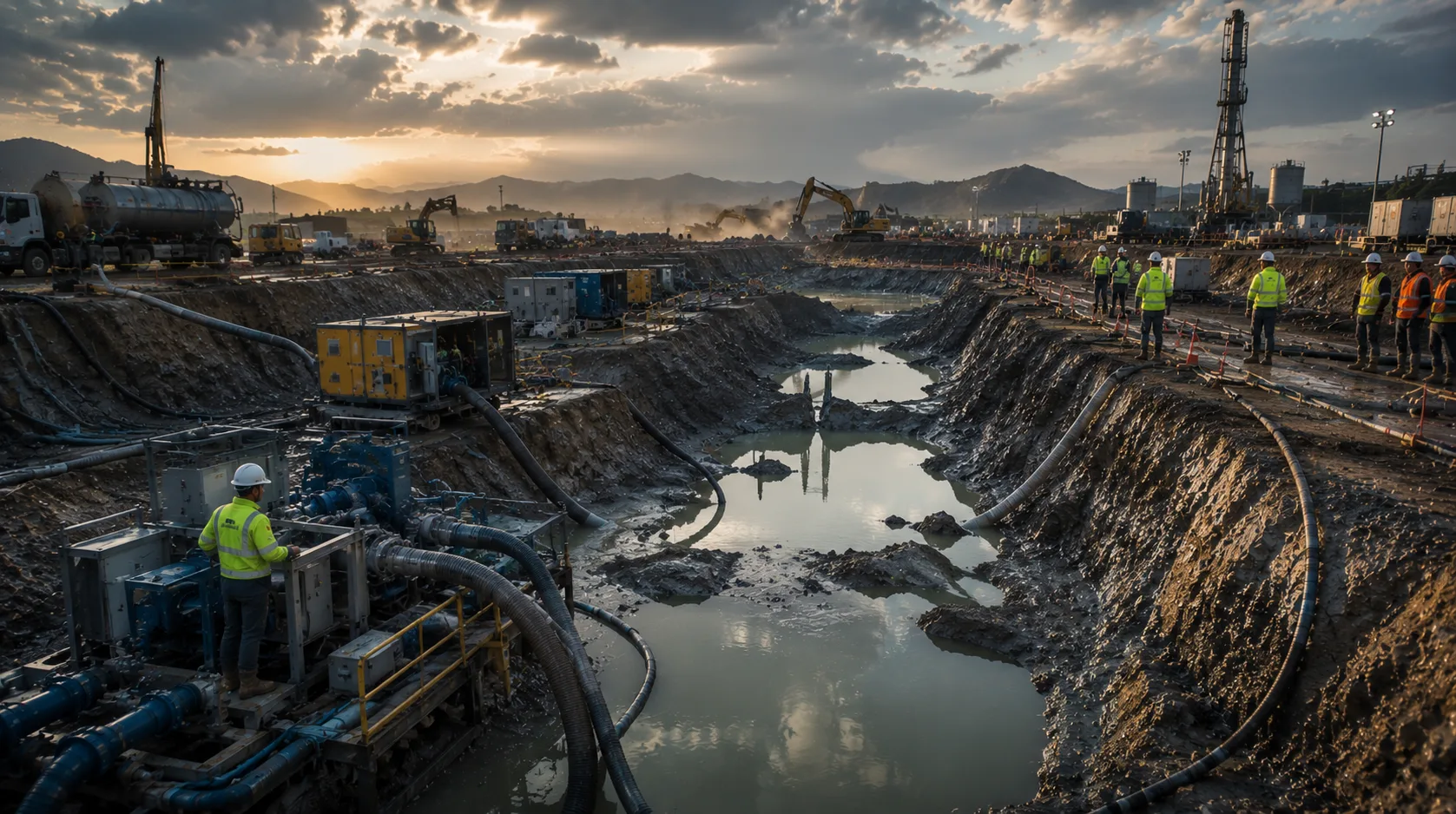
Dewatering Solutions
Groundwater control, dewatering assessment, system design, and management for construction, excavation, and mining projects.
Current Solution
Soil Remediation
Contaminated land assessment and soil remediation for brownfield and industrial sites, with documentation supporting safe reuse.
Explore Soil RemediationRequest a Dewatering Consultation
Consult a dewatering consultant at The Groundwater Company to review groundwater conditions, excavation risks, dewatering system requirements, and technical considerations for your project.
Dewatering requires hydrogeological intelligence, not just pumping capacity.
Whether the requirement is construction dewatering, mine water management, tunnel groundwater control, or geo dredging and dewatering solutions, the starting point is a rigorous subsurface understanding of the water system the works will encounter.