(+035) 527-1710-70
 NEWSLETTER


Soil Remediation Services in Chandigarh
Introduction: Why Soil Contamination Is a Growing Concern in Chandigarh
Chandigarh is widely recognised for its planned urban design and high quality of life. However, beneath this orderly surface, soil quality challenges are emerging due to urban expansion, institutional growth, traffic density, legacy waste practices, and peripheral industrial activity in the Chandigarh–Mohali–Panchkula region.
Construction sites, former dumping areas, fuel stations, workshops, and ageing infrastructure corridors have contributed to localized soil contamination, which often goes unnoticed until redevelopment or groundwater issues arise. Contaminated soil does not remain an isolated problem—it directly affects groundwater quality, structural safety, land usability, and regulatory compliance.
In this context, soil remediation services in Chandigarh are becoming essential for safe redevelopment, environmental protection, and long-term land sustainability.
What Is Soil Remediation?
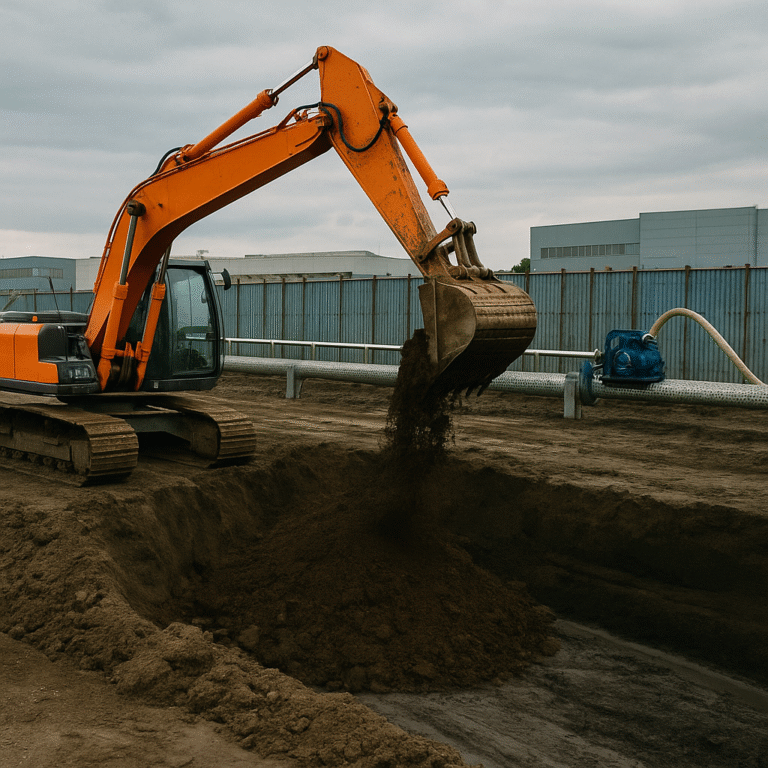
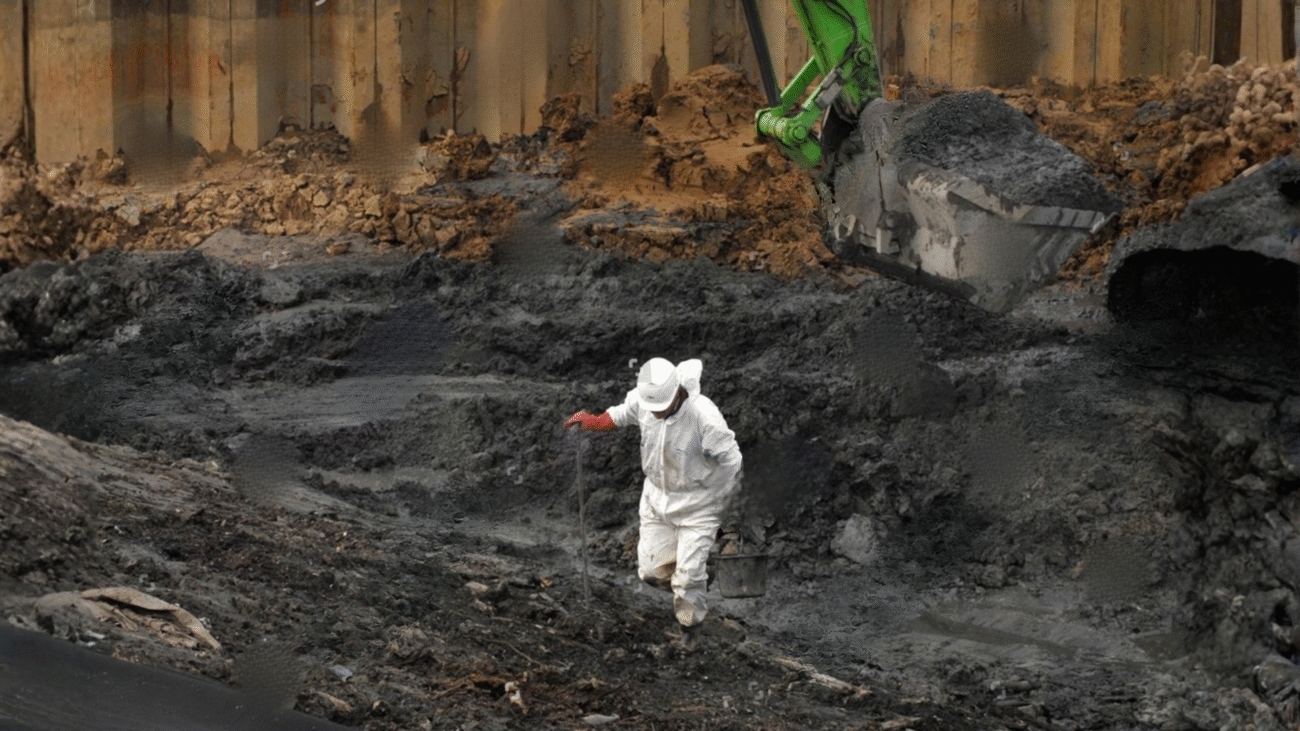
Soil remediation is the systematic process of assessing, treating, and restoring contaminated soil so that it meets environmental and land-use safety standards. The objective is to either remove contaminants, reduce their concentration, or prevent their migration into groundwater and surrounding ecosystems.
Professional soil remediation involves:
-
Identifying soil contamination sources and extent
-
Analysing contaminant type and behaviour
-
Selecting site-appropriate remediation techniques
-
Monitoring soil and groundwater conditions post-treatment
Unlike surface cleaning or excavation alone, remediation focuses on long-term risk reduction and environmental compliance.
Soil Remediation Challenges in Chandigarh
Implementing effective soil remediation in Chandigarh requires addressing several local and regional challenges.
1. Legacy Urban Development
Older institutional zones, service areas, and informal dumping sites often lack proper historical records. Contamination may exist below the surface even where land appears visually clean.
2. Mixed Land Use Patterns
Chandigarh and its periphery feature close proximity between residential, commercial, and institutional land uses. Soil contamination in one parcel can pose risks to neighbouring properties and shared groundwater systems.
3. Shallow Groundwater Interaction
In parts of the region, relatively shallow groundwater levels increase the risk of contaminants leaching from soil into aquifers, especially during monsoon periods.
4. Construction and Redevelopment Pressure
Redevelopment projects frequently encounter contaminated soil during excavation. Without remediation planning, such discoveries can delay projects and increase costs.
5. Limited Baseline Data
Many sites lack prior environmental assessment data, making contamination detection reactive rather than preventive.
Our Soil Remediation Approach in Chandigarh
At The Ground Water Company, soil remediation is approached as a science-led, site-specific environmental process, not a one-size-fits-all solution. Each site in Chandigarh is evaluated based on soil composition, contaminant type, groundwater interaction, and future land use.
Our approach typically includes:
-
Detailed soil investigation and contamination assessment
-
Identification of contamination sources and migration pathways
-
Evaluation of soil–groundwater interaction risks
-
Selection of appropriate remediation or containment methods
-
Post-remediation monitoring and documentation
The technical execution aligns directly with our core service offering on the
Soil Remediation page.
This ensures the blog strengthens the service page’s authority while remaining informational and location-specific.
Why Soil Remediation Is Critical in Chandigarh
Soil contamination poses risks that extend beyond the immediate site. In Chandigarh, where land availability is limited and redevelopment is increasing, unmanaged contamination can have long-term consequences.
Scientific soil remediation helps:
-
Protect groundwater from leaching contaminants
-
Ensure safe conditions for construction and occupancy
-
Restore land value and usability
-
Reduce health and environmental risks
-
Maintain compliance with environmental regulations
Without proper remediation, contaminated sites may continue to impact surrounding areas even after surface development is complete.
How Soil Remediation Connects with Other Groundwater Services
Soil remediation in Chandigarh is closely linked with broader groundwater management challenges. Effective remediation often requires integration with complementary services such as:
-
groundwater remediation programs to address contaminants that have already reached aquifers
-
groundwater quality monitoring services to track post-remediation performance and ensure long-term protection
This integrated approach ensures that remediation efforts address both soil and groundwater risks comprehensively.
Regulatory & Compliance Context
Soil remediation activities in India must align with established environmental regulations and technical guidance. Projects involving contaminated land are increasingly subject to regulatory scrutiny, especially where groundwater protection is concerned.
Our remediation methodologies are informed by guidance and data from:
-
Central Pollution Control Board, which sets standards for contamination control and environmental protection
-
Central Ground Water Board, particularly where soil contamination intersects with groundwater quality and aquifer safety
Alignment with these authorities ensures that remediation outcomes are technically sound, environmentally responsible, and suitable for regulatory review.
Other Groundwater Services We Offer
In Chandigarh, soil remediation is often part of a broader subsurface and groundwater management strategy. We also provide:
-
Ground Water Exploration
-
Ground Water Recharge
-
Ground Water Seepage Solutions
-
Dewatering Solutions
-
Ground Water Quality Monitoring
Together, these services support a comprehensive approach to soil, groundwater, and environmental risk management.
Conclusion: Restoring Land for Safe and Sustainable Use
Soil contamination is often hidden, but its impacts can persist for decades if left unaddressed. In Chandigarh’s evolving urban landscape, responsible land use requires proactive identification and remediation of contaminated soil.
Soil remediation services in Chandigarh play a vital role in restoring affected land, protecting groundwater, and supporting safe redevelopment. When remediation is guided by scientific assessment and integrated groundwater planning, it helps ensure that today’s development does not become tomorrow’s environmental liability.
For projects involving redevelopment, infrastructure expansion, or environmentally sensitive land, early soil assessment and professional remediation are essential steps toward long-term sustainability.