(+035) 527-1710-70
 NEWSLETTER


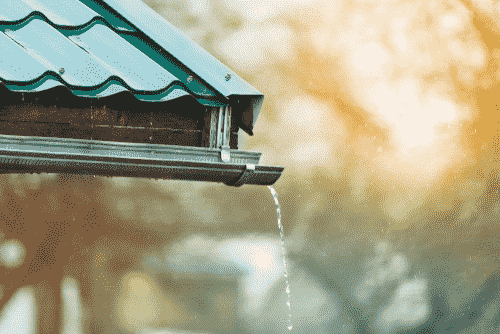
Rainwater Harvesting: Building a Sustainable Future, One Drop at a Time
Introduction
Rainwater Harvesting is more than an ancient practice it is a modern solution to one of today’s most urgent problems: water scarcity. In an era where cities face falling groundwater levels and unpredictable rainfall, capturing and reusing rainwater has become a necessity rather than a choice.
At The Ground Water Company (GWC), we design, implement, and maintain efficient rainwater harvesting systems for both residential and industrial needs. Our goal is simple to help communities, institutions, and businesses make the best use of every drop of rain, while reducing dependence on municipal and groundwater supplies.
Rainwater Harvesting
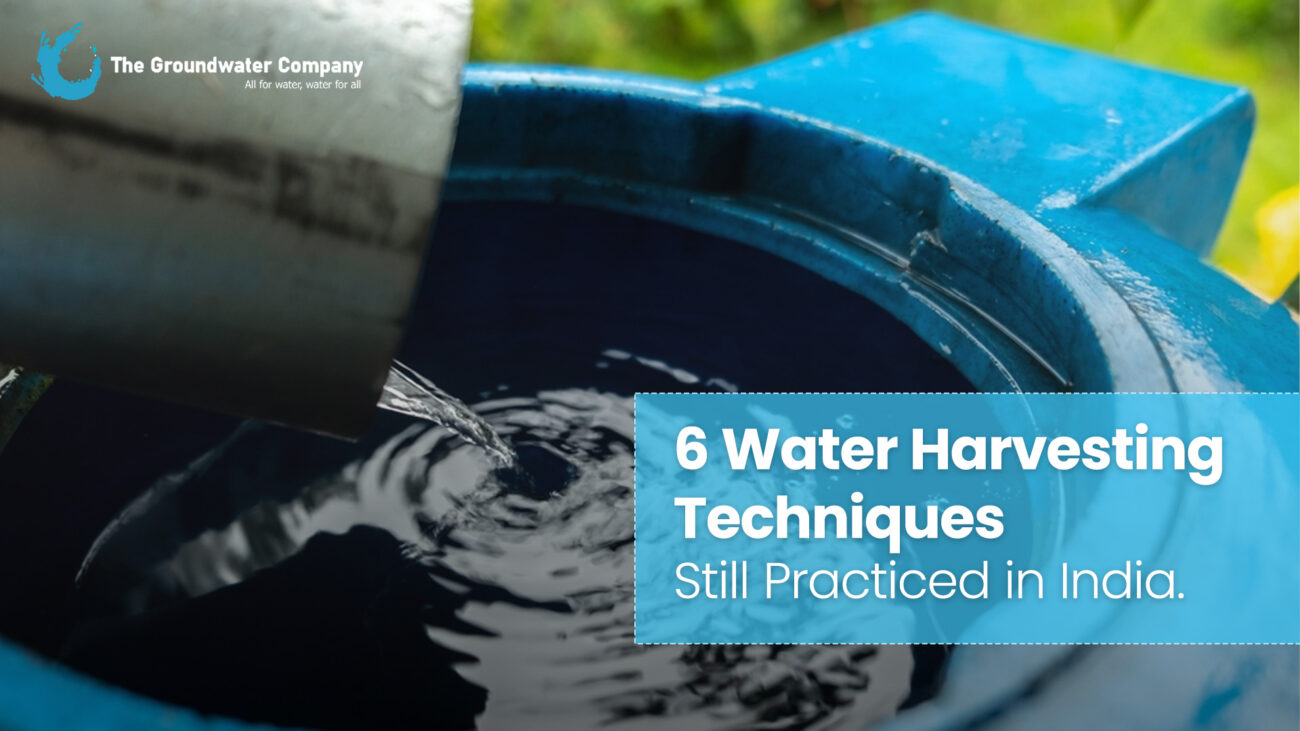
Rainwater harvesting is the process of collecting and storing rainwater from rooftops, paved surfaces, or open grounds and reusing it for domestic, agricultural, and industrial purposes. It can be stored in tanks for later use or directed underground to recharge aquifers.
In cities, rain water harvesting in commercial buildings plays a crucial role in reducing water consumption and drainage overload. Commercial complexes, offices, and educational institutions can collect millions of liters of water annually, cutting operational costs while supporting sustainability goals.
Similarly, residential rain water collection helps individual homes and apartments save water for daily activities like gardening, cleaning, and washing, while also replenishing local groundwater levels.
Types of Rainwater Harvesting Systems
- Rooftop Rainwater Harvesting
- Collects rainwater from rooftops via gutters and pipes.
- The water is filtered and either stored in tanks or directed to recharge pits.
- Ideal for homes, schools, and office buildings.
- Surface Runoff Harvesting
- Captures rainwater flowing over paved surfaces and channels it into percolation tanks, ponds, or recharge wells.
- Prevents flooding and urban waterlogging.
- Recharge Wells and Pits
- Filtered rainwater is directed into deep boreholes or pits to replenish groundwater aquifers.
- Highly effective in areas facing declining groundwater levels.
- Percolation Trenches and Check Dams
- Used in larger properties or agricultural lands to slow runoff and promote infiltration.
- Also prevents soil erosion and enhances groundwater recharge.
Benefits of Rainwater Harvesting
- Reduces Water Bills and Demand on Municipal Supply
Rainwater harvesting reduces reliance on piped water systems and helps lower utility costs for households, commercial buildings, and industries. It also lessens pressure on public water infrastructure. - Recharges Groundwater and Restores the Water Cycle
By channeling rainwater into the soil, aquifers get naturally replenished, maintaining groundwater balance and ensuring year-round availability of water. - Prevents Flooding and Waterlogging
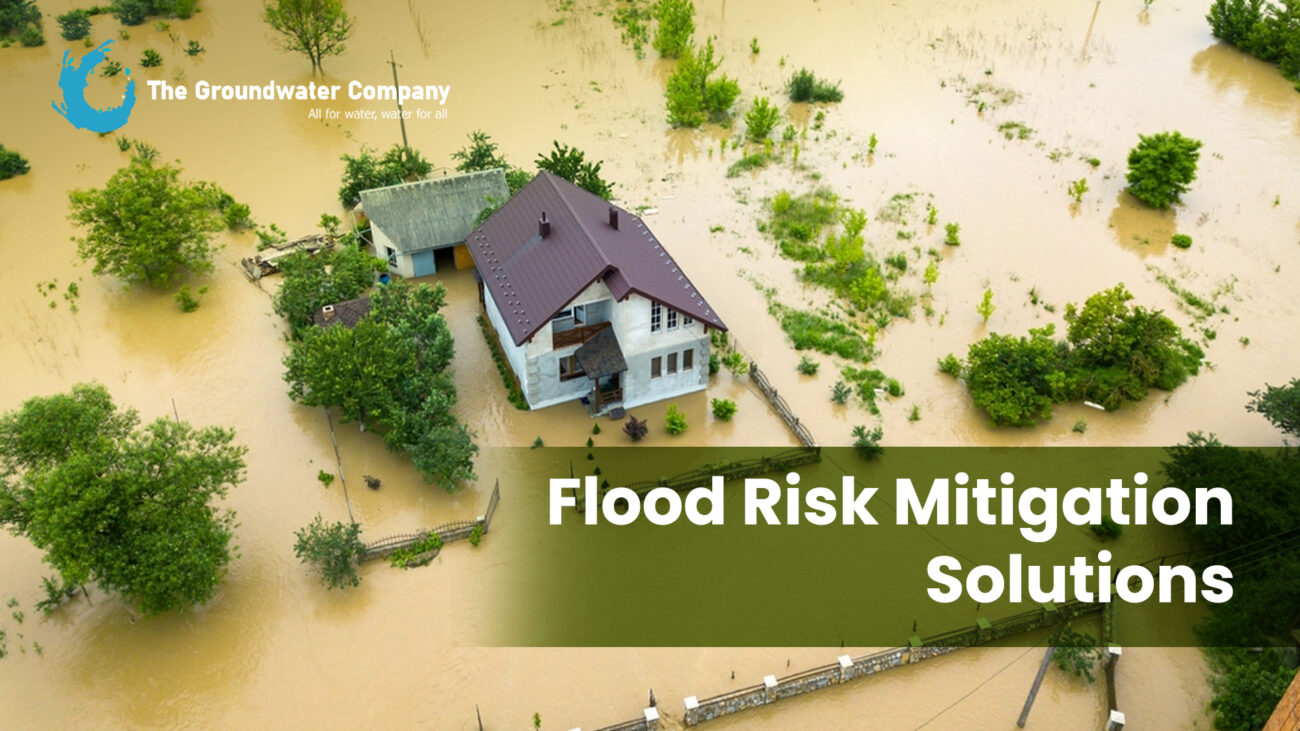
Capturing runoff prevents excess rainwater from overwhelming storm drains and reduces urban flooding, particularly in densely built areas. - Promotes Sustainability and Climate Resilience
Rainwater harvesting conserves natural water resources, reduces carbon footprints, and enhances the ability of cities and communities to withstand droughts and dry spells. - Improves Water Quality and Soil Health
Stored rainwater is naturally soft and free from harmful chemicals, making it suitable for non-potable uses. It also prevents soil erosion by reducing surface runoff.
Rainwater Harvesting Maintenance
Effective performance depends on proper upkeep. Regular rainwater harvesting maintenance includes cleaning gutters and filters, desilting storage tanks, and inspecting recharge structures to prevent clogging. Maintenance schedules should be followed especially before and after the monsoon to ensure the system functions efficiently.
At GWC, our Rain water harvesting maintenance programs ensure long-term performance through structured inspection, water quality testing, and proactive system repairs helping clients achieve zero water wastage and maximum recharge efficiency.
Challenges in Rainwater Harvesting
- Urban Encroachment: Concrete surfaces and limited open areas reduce infiltration potential.
- Lack of Awareness: Many property owners are unaware of local rainwater harvesting laws or benefits.
- Initial Costs: Installation of large-scale systems in commercial zones can be capital-intensive, though the long-term returns are substantial.
- Maintenance Neglect: Without routine upkeep, filters, sumps, and recharge pits may become ineffective.
The Ground Water Company’s Approach
At The Ground Water Company (GWC), we go beyond installation we deliver end-to-end rainwater harvesting solutions tailored to each site’s geology and water demand. Our process includes:
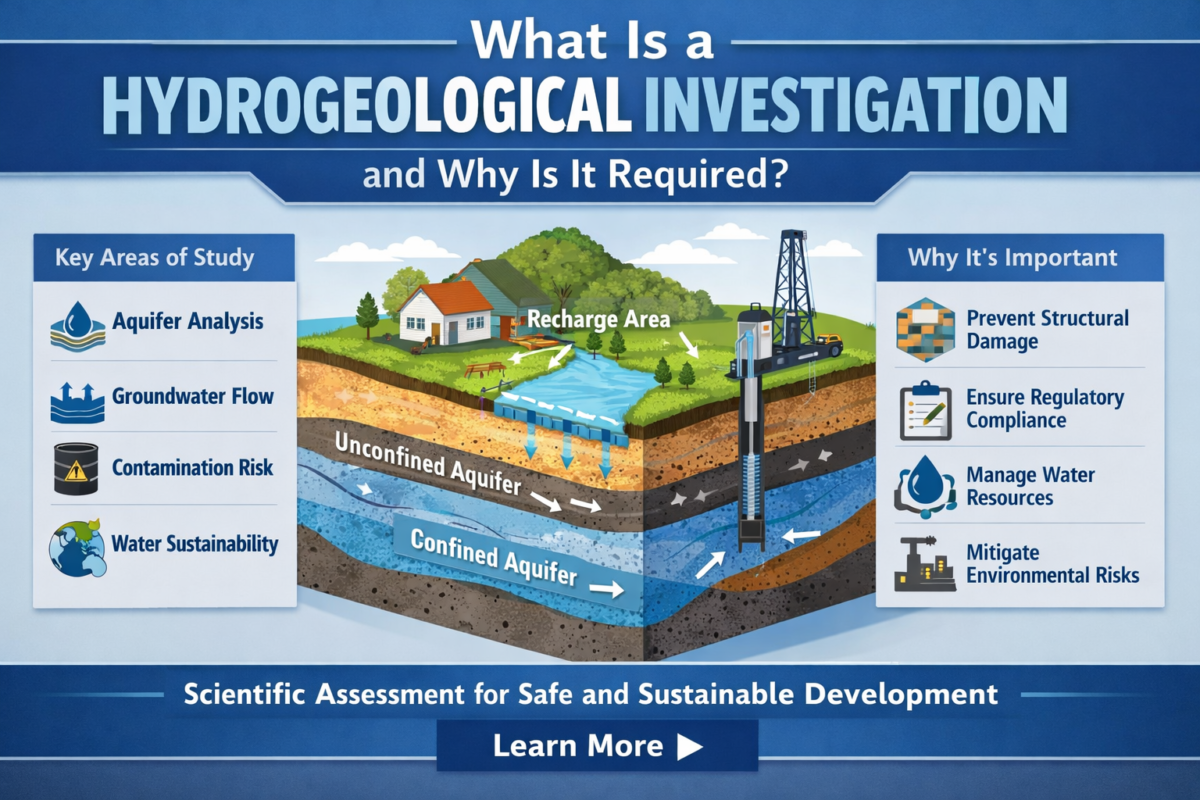
- Hydrogeological Assessment: Understanding soil, slope, and rainfall patterns.
- System Design: Customized rooftop, runoff, or recharge-based systems.
- Implementation: High-quality construction using durable materials and filtration units.
- Monitoring & Maintenance: Regular inspection, performance tracking, and desilting.
Whether it’s a residential complex, corporate park, or industrial site, our rainwater harvesting systems are designed for sustainability, longevity, and compliance with local water management norms.
Conclusion
Rainwater Harvesting is the cornerstone of sustainable water management. It bridges the gap between water scarcity and self-sufficiency, ensuring that every building, from homes to high-rises, contributes to environmental resilience.
At The Ground Water Company (GWC), we believe that managing rainwater is managing the future. Through modern engineering, reliable rain water harvesting maintenance, and awareness-driven implementation, we empower communities and businesses to conserve, recharge, and reuse turning every drop into a resource for tomorrow.