(+035) 527-1710-70
 NEWSLETTER


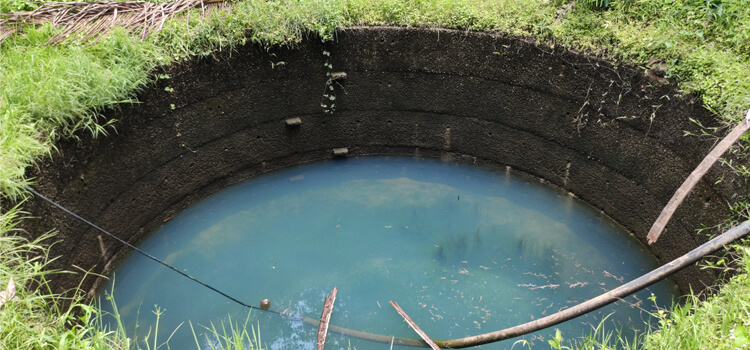
Introduction: Bengaluru’s Groundwater Pollution Is a Growing Urban Risk
Bengaluru’s dependence on groundwater has increased steadily over the last two decades. Rapid urbanisation, expansion of residential layouts, industrial clusters, IT parks, and ageing underground infrastructure have placed intense pressure on the city’s aquifers. In many parts of Bengaluru—particularly in East Bengaluru, Peenya Industrial Area, Yelahanka, Whitefield, and along the Outer Ring Road—groundwater quality concerns are now emerging alongside quantity stress.
Leakage from sewage networks, improper waste disposal, industrial effluents, fuel storage facilities, and legacy land use have contributed to groundwater pollution in several localised pockets. Unlike surface water contamination, polluted groundwater often remains undetected until wells fail, water quality deteriorates, or regulatory scrutiny increases.
This makes Groundwater Remediation in Bengaluru a critical intervention for protecting public health, safeguarding water supply, and restoring long-term aquifer integrity.
What Is Groundwater Remediation?
Groundwater remediation is the scientific process of treating, containing, or managing contaminated groundwater to reduce environmental and health risks. The objective is not only to improve water quality at a specific location but also to prevent the spread of pollutants within an aquifer system.
Professional groundwater remediation involves:
-
Identification of contamination sources and pathways
-
Assessment of pollutant type, concentration, and spread
-
Selection of appropriate groundwater remediation methods
-
Implementation of groundwater treatment systems
-
Monitoring and performance evaluation over time
Groundwater treatment and remediation are highly site-specific. Effective solutions depend on hydrogeology, contaminant behaviour, and long-term groundwater flow patterns rather than generic treatment approaches.
Groundwater Remediation Challenges in Bengaluru
Implementing effective groundwater remediation in Bengaluru requires addressing several city-specific challenges.
1. Hard-Rock Aquifer Systems
Bengaluru’s groundwater is largely stored in fractured and weathered hard-rock formations. Contaminants move through fractures rather than uniform porous layers, making pollutant migration difficult to predict and manage.
2. Multiple Contamination Sources
Groundwater pollution in Bengaluru often results from a combination of sewage intrusion, industrial discharge, and surface contamination. Identifying the dominant source is essential for designing effective groundwater remediation solutions.
3. Urban Density and Limited Access
Dense development restricts access for investigation and remediation infrastructure. Groundwater treatment processes must therefore be designed to work within limited space and operational constraints.
4. Interaction with Soil and Infrastructure
Contaminated groundwater is frequently linked to polluted soil or leaking underground utilities. Treating groundwater without addressing connected sources can result in recurring contamination.
5. Lack of Long-Term Monitoring
In many locations, groundwater quality data is limited to short-term testing. Without continuous monitoring, remediation effectiveness is difficult to assess.
Our Groundwater Remediation Approach in Bengaluru
At The Ground Water Company, groundwater remediation is approached as a data-driven, risk-based process, not a one-time treatment activity. Each remediation strategy is tailored to Bengaluru’s hydrogeological conditions and contamination profile.
Our approach typically includes:
-
Groundwater quality assessment and contaminant profiling
-
Identification of pollution sources and transport pathways
-
Evaluation of suitable groundwater treatment methods
-
Design of groundwater treatment systems aligned with site conditions
-
Integration of remediation with long-term monitoring and management
The technical scope and execution align directly with our core service offering on the
Groundwater Remediation page.
This ensures the blog strengthens the authority of the service page while remaining informational and location-specific.
Why Groundwater Remediation Is Critical in Bengaluru
Groundwater contamination poses risks that extend beyond individual properties. In a city where groundwater supports residential, commercial, and industrial water needs, polluted aquifers can affect entire neighbourhoods over time.
Scientific groundwater remediation helps:
-
Protect drinking water sources
-
Reduce exposure to harmful contaminants
-
Prevent long-term aquifer degradation
-
Support regulatory compliance and redevelopment approvals
-
Safeguard groundwater as a strategic urban resource
Without timely intervention, groundwater pollution can spread silently, making future remediation more complex and costly.
How Groundwater Remediation Integrates with Other Groundwater Services
Groundwater remediation rarely works in isolation. In Bengaluru, remediation outcomes are often strengthened through integration with complementary services.
Groundwater remediation programs are commonly supported by:
-
groundwater quality monitoring services to track contaminant trends and verify treatment effectiveness
-
soil remediation studies where contaminated soil acts as a continuing source of groundwater pollution
This integrated approach ensures that groundwater treatment methods deliver lasting results rather than temporary improvements.
Regulatory & Compliance Context
Groundwater remediation activities in India must align with recognised environmental and water management frameworks. Regulatory guidance ensures that remediation methods protect both human health and ecological systems.
Our remediation strategies are informed by data and standards from:
-
Central Ground Water Board, which provides groundwater quality assessment frameworks and aquifer monitoring data
-
Central Pollution Control Board, which sets guidelines related to pollution control, waste management, and environmental compliance
Alignment with these institutions ensures that groundwater treatment and remediation plans are technically sound and suitable for regulatory review.
Other Groundwater Services We Offer
In Bengaluru, groundwater remediation is often part of a broader groundwater management strategy. We also provide:
-
Ground Water Exploration
-
Ground Water Recharge
-
Ground Water Seepage Solutions
-
Dewatering Solutions
-
Ground Water Quality Monitoring
Together, these services support a comprehensive understanding of groundwater systems and help prevent future contamination risks.
Conclusion: Restoring Groundwater for Bengaluru’s Long-Term Water Security
Bengaluru’s groundwater challenges are not limited to depletion alone. Pollution of aquifers threatens water security, public health, and sustainable urban growth. Addressing this challenge requires scientific assessment, carefully selected groundwater remediation methods, and long-term management.
Groundwater Remediation in Bengaluru provides a pathway to restore contaminated aquifers, manage pollution risks, and protect groundwater as a critical urban resource. When remediation is integrated with monitoring and source control, it supports resilient water systems in a city facing increasing environmental pressure.
For areas affected by groundwater pollution, early assessment and professional remediation are essential steps toward long-term water security and environmental protection.