 (+035) 527-1710-70
 NEWSLETTER


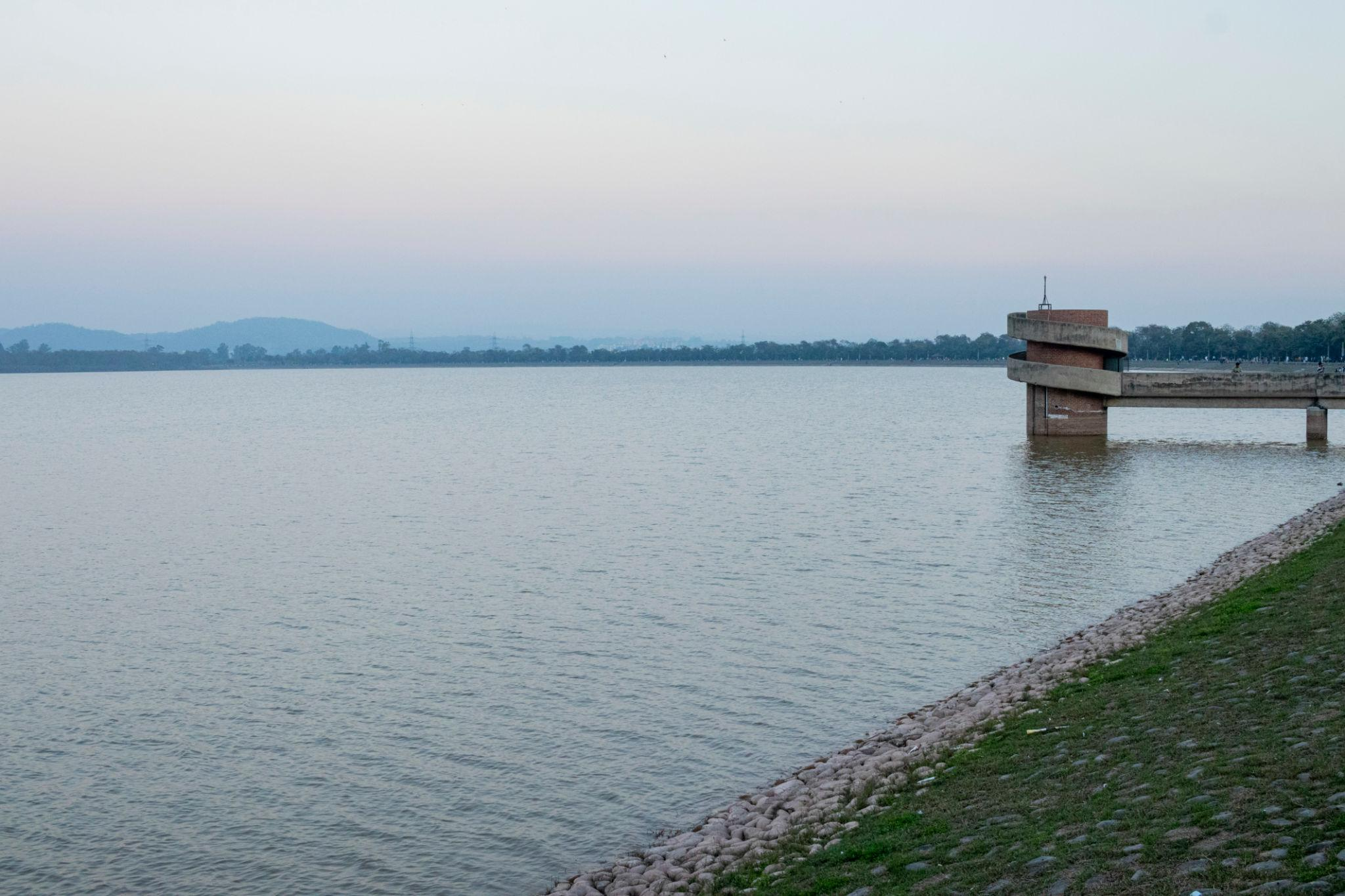
A water risk assessment audit in Chandigarh has evolved far beyond a compliance checklist. In a city that continues to expand despite limited natural water buffers, water-related risks now influence operational stability, asset safety, project approvals, and long-term planning decisions.
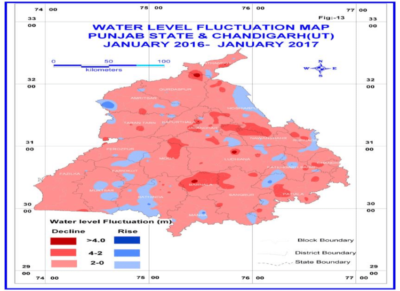
Chandigarh is experiencing rising pressure on its groundwater reserves, increasing variability in rainfall patterns, and growing stress on urban drainage networks. These factors have made water risk a predictable and measurable business concern, not an unpredictable environmental issue.
For organisations operating in the region, proactive water risk assessment has become essential to avoid avoidable disruptions.
Water Risk Assessment Services in Chandigarh: What They Really Address
Well-structured water risk assessment services in Chandigarh are designed to identify vulnerabilities before they turn into operational or financial setbacks. The objective is not just assessment, but informed decision-making.
These services typically examine:
- Groundwater availability and long-term stress trends
- Flood and stormwater behaviour across developed zones
- Reliability of existing water sources
- Exposure to water contamination pathways
- Regulatory and environmental compliance risks
Unlike generic studies, location-specific water risk assessment services in Chandigarh are aligned with local hydrogeology, surface runoff behaviour, and urban expansion patterns.
For authoritative groundwater data and regional benchmarks, references from the Central Ground Water Board (CGWB) are commonly used
Industrial Water Risk Assessment in Chandigarh: Safeguarding High-Value Operations
Industrial estates and manufacturing units face elevated water-related exposure due to their scale and intensity of usage. Continuous groundwater withdrawal, extensive paved surfaces, and process-dependent water consumption significantly amplify risk.
An industrial water risk assessment in Chandigarh helps industrial operators:
- Anticipate borewell decline and supply interruptions
- Minimise flood-related damage to machinery and utilities
- Identify contamination risks affecting process water
- Plan resilient alternative water sourcing strategies
In industrial environments, water risk directly translates into downtime risk, cost escalation, and regulatory exposure. This makes structured assessment a core part of operational risk management rather than an environmental add-on.
Flood risk frameworks and mitigation guidelines referenced from the National Disaster Management Authority (NDMA) strengthen audit credibility
Corporate Water Risk Assessment in Chandigarh: Ensuring Business Continuity
Large corporate campuses, IT parks, hospitals, and educational institutions depend on uninterrupted access to safe water. Even short-term disruptions can affect occupancy, service delivery, and reputational trust.
A corporate water risk assessment in Chandigarh typically evaluates:
- Long-term water availability for high-occupancy campuses
- Flood vulnerability of basements, utilities, and access points
- Water quality risks affecting users and infrastructure
- Alignment with sustainability and ESG expectations
This approach allows organisations to transition from reactive firefighting to planned water resilience, supported by data rather than assumptions.
For climate and rainfall trend validation, assessments often rely on data from the India Meteorological Department (IMD)
Water Sustainability Audit in Chandigarh: Planning Beyond Immediate Risk
While risk audits focus on exposure, a water sustainability audit in Chandigarh addresses the future. It evaluates whether current water practices are viable over the next decade or more.
Such audits support:
- Sustainable groundwater extraction planning
- Rainwater harvesting and recharge integration
- Reduction of long-term water wastage
- Alignment with evolving environmental regulations
For developers and institutions, a well-documented water sustainability audit strengthens project approvals, stakeholder confidence, and long-term viability.
National policy alignment is often guided by frameworks from the Ministry of Jal Shakti
Why Combining Water Risk and Sustainability Audits Matters
When findings from a water risk assessment audit in Chandigarh are integrated with sustainability planning, organisations gain measurable advantages:
- Fewer operational disruptions
- Controlled long-term water costs
- Improved regulatory preparedness
- Stronger environmental accountability
This combined approach ensures water risks are anticipated early and managed strategically, instead of being addressed only after damage or disruption occurs.
Who Should Consider Water Risk Assessment Services in Chandigarh?
Professional assessment is particularly relevant for:
- Industrial estates and manufacturing facilities
- Corporate offices and IT parks
- Hospitals and healthcare infrastructure
- Educational institutions
- Large residential and commercial developments
- Government and municipal projects
Any organisation dependent on groundwater or exposed to flooding conditions benefits from structured water risk assessment services in Chandigarh supported by groundwater consulting, flooding solutions, and integrated water resource management.

Water Risk Is Now a Strategic Decision Factor
In Chandigarh, groundwater availability, flooding behaviour, and regulatory exposure are deeply interconnected. A structured water risk assessment audit in Chandigarh provides organisations with the clarity needed to act before water-related risks escalate into operational or financial losses.
By integrating industrial water risk assessment, corporate water risk assessment, and water sustainability audit in Chandigarh, decision-makers can protect assets, maintain compliance, and build long-term water resilience with confidence.