(+035) 527-1710-70
 NEWSLETTER



Introduction: Soil Contamination Is an Urban Reality in Bengaluru
Bengaluru’s growth as a technology, manufacturing, and real-estate hub has transformed large parts of the city’s landscape. Former industrial plots, landfills, defunct warehouses, fuel stations, and peri-urban agricultural lands are increasingly being redeveloped for residential, commercial, and infrastructure projects. While this redevelopment supports economic growth, it also brings a hidden challenge to the surface—soil contamination.
In many areas across East Bengaluru, Peenya Industrial Area, Whitefield, Yelahanka, and parts of South Bengaluru, historical land use has left behind pollutants that pose environmental, health, and regulatory risks. Contaminated soil can affect groundwater quality, structural safety, and project approvals if not properly addressed.
In this context, Soil Remediation Services in Bengaluru are no longer limited to regulatory compliance; they are a critical step in enabling safe land reuse and long-term environmental protection.
What Is Soil Remediation?
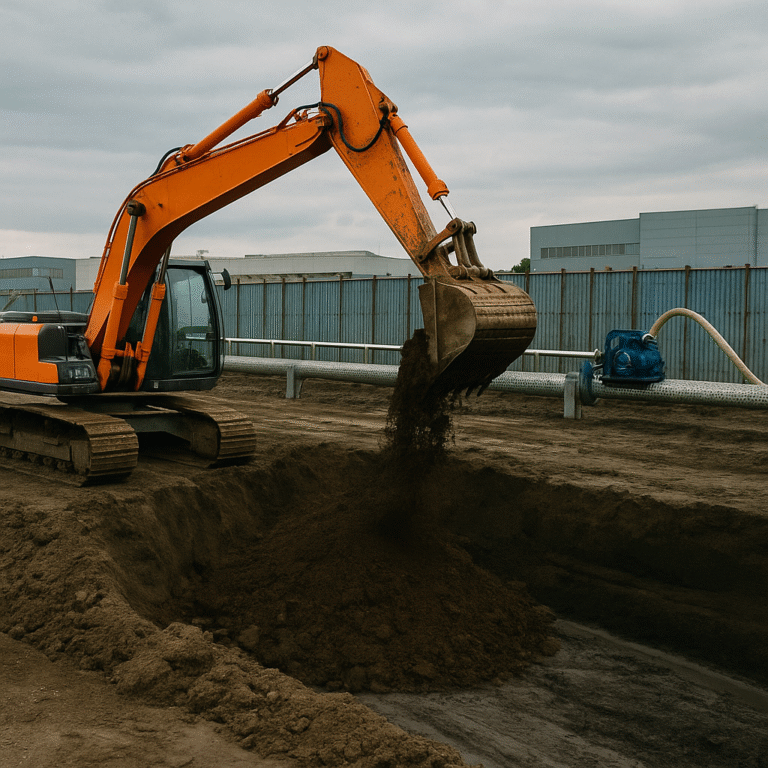
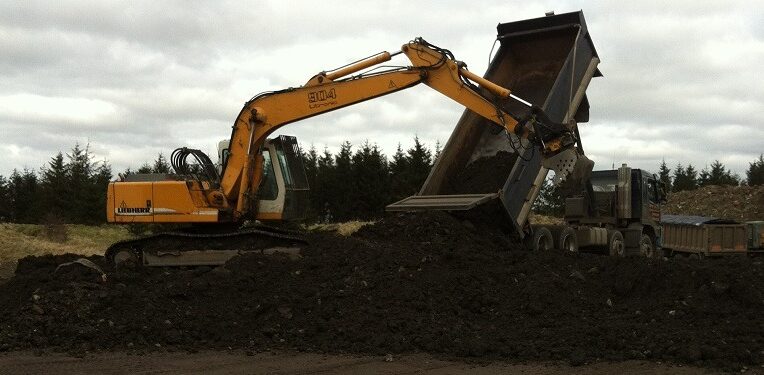
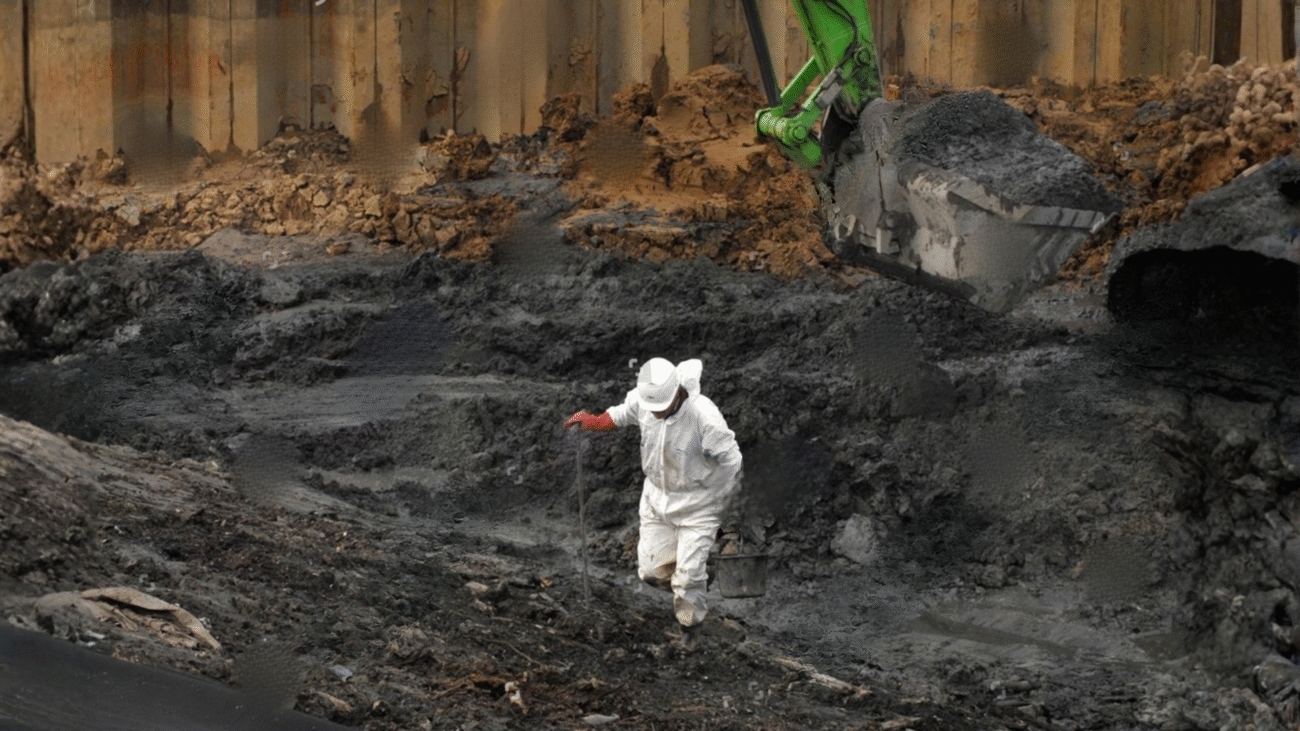
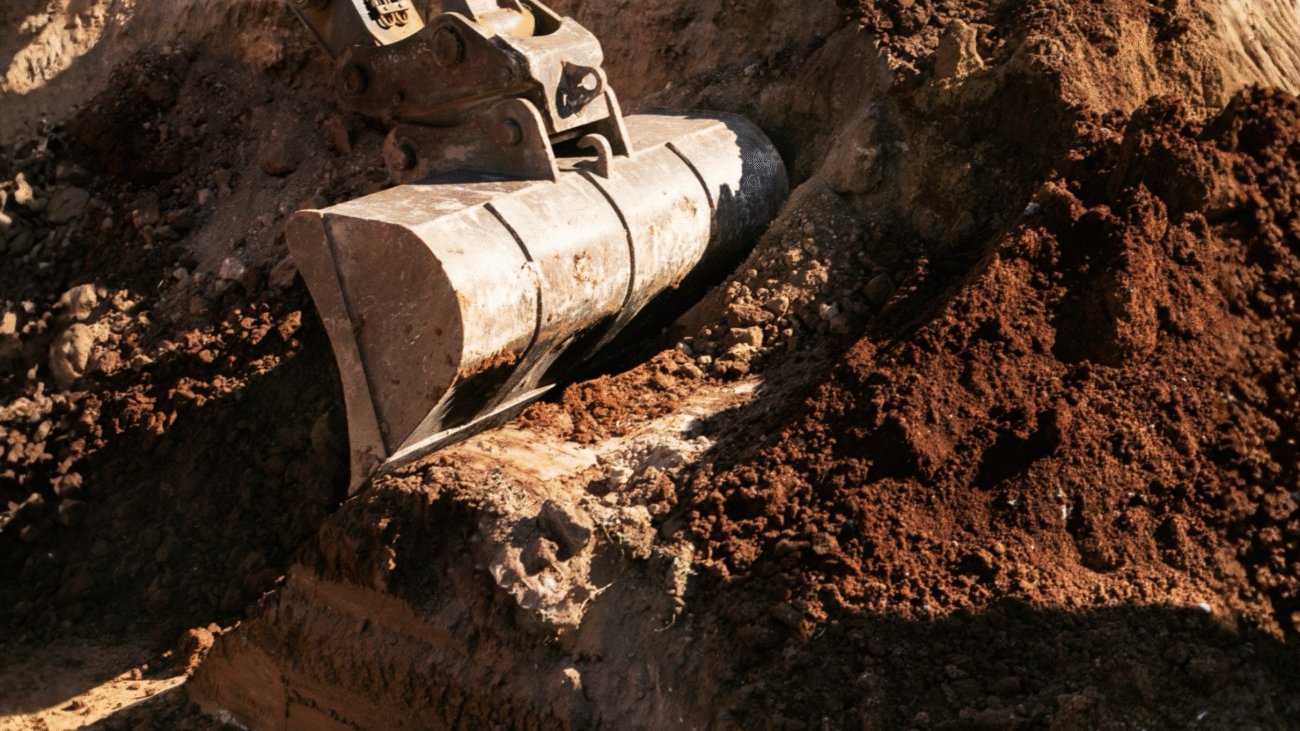
Soil remediation is the scientific process of assessing, treating, and managing contaminated soil to reduce environmental and health risks. The objective is either to remove contaminants, immobilise them, or reduce their concentration to acceptable levels based on intended land use.
Professional soil remediation services typically involve:
-
Identification of contamination sources and soil characteristics
-
Assessment of pollutant type, depth, and spread
-
Selection of appropriate remediation techniques
-
Verification through testing and monitoring
Unlike surface cleaning or excavation alone, soil remediation focuses on long-term risk reduction, ensuring that contaminants do not migrate into groundwater or pose future exposure risks.
Soil Remediation Challenges in Bengaluru
Implementing effective soil remediation in Bengaluru requires addressing several city-specific challenges.
1. Legacy Industrial and Commercial Land Use
Bengaluru has multiple zones with past industrial activity, fuel storage, and manufacturing operations. Even after facilities are decommissioned, residual contaminants often remain in the soil.
2. Rapid Land-Use Change
Agricultural and industrial lands are frequently converted into residential or commercial developments. Soil that was once acceptable for limited industrial use may not meet standards for sensitive land uses without remediation.
3. Groundwater Interaction
Bengaluru relies heavily on groundwater. Contaminated soil can act as a long-term source of groundwater pollution if remediation is delayed or incomplete.
4. Mixed Soil Profiles
The city’s soil profile varies significantly, with lateritic soils, clay layers, and weathered rock zones. This variability affects contaminant behaviour and remediation strategy selection.
5. Regulatory and Project Approval Pressure
Environmental clearances, redevelopment permissions, and due-diligence processes increasingly require documented soil quality and remediation plans.
Our Soil Remediation Services Approach in Bengaluru
At The Ground Water Company, soil remediation is approached as a site-specific environmental engineering process, not a one-size-fits-all solution. Each site is evaluated based on historical land use, soil characteristics, contamination profile, and groundwater sensitivity.
Our approach typically includes:
-
Preliminary site assessment and soil investigation
-
Contaminant identification and risk evaluation
-
Selection of remediation or containment strategies
-
Integration with groundwater protection measures
-
Post-remediation verification and monitoring
The detailed technical execution aligns directly with our core service offering on the
Soil Remediation Services
This ensures the blog builds context and authority while directing solution-ready users to the service page.
Why Soil Remediation Is Critical in Bengaluru
Soil contamination does not remain confined to a single site. In a dense urban environment like Bengaluru, unmanaged soil pollution can affect surrounding land, groundwater resources, and communities over time.
Scientific soil remediation helps:
-
Enable safe redevelopment of contaminated land
-
Prevent pollutants from leaching into groundwater
-
Reduce long-term environmental liability
-
Support regulatory compliance and project approvals
-
Protect public health and ecological systems
For a city experiencing constant redevelopment pressure, soil remediation plays a key role in balancing growth with environmental responsibility.
How Soil Remediation Connects with Other Groundwater Services
Soil and groundwater systems are closely linked in Bengaluru. Effective remediation strategies often require coordination with complementary groundwater services to ensure comprehensive risk management.
Soil remediation programs frequently integrate with:
-
groundwater quality monitoring to track potential contaminant migration and post-remediation safety
-
groundwater consulting studies to assess aquifer vulnerability and long-term water resource implications
This integrated approach helps ensure that soil remediation efforts protect both land and water resources.
Regulatory & Compliance Context
Soil remediation and contaminated land management in India are guided by environmental regulations and technical standards. Projects involving contaminated soil must align with recognised regulatory frameworks to ensure environmental safety.
Our remediation methodologies are informed by guidance and data from:
-
Central Pollution Control Board, which sets standards related to soil contamination, waste handling, and environmental protection
-
Central Ground Water Board, particularly where soil contamination has the potential to affect groundwater resources
Alignment with these institutions ensures remediation plans are technically credible and suitable for regulatory review.
Other Groundwater Services We Offer
In Bengaluru, soil remediation is often part of a broader environmental and groundwater management strategy. We also provide:
-
Ground Water Seepage Solutions
-
Dewatering Solutions
-
Ground Water Quality Monitoring
Together, these services support integrated decision-making across soil, groundwater, and land-use planning.
Conclusion: Supporting Safe and Sustainable Land Use in Bengaluru
Bengaluru’s continued growth depends on the responsible reuse of land and protection of critical groundwater resources. Soil contamination, when left unaddressed, can undermine both environmental safety and development outcomes.
Soil Remediation Services in Bengaluru provide a pathway to restore contaminated sites, manage environmental risk, and support sustainable urban development. When remediation is guided by scientific assessment and integrated groundwater planning, it enables redevelopment without transferring hidden risks to future users.
For projects involving previously used or high-risk land, early assessment and professional soil remediation are essential steps toward long-term environmental and operational security.